
How Long Does It Take to Build a Driveway
When homeowners or property managers decide to upgrade their exterior space, one of the most common projects they consider is building a new driveway. It adds beauty, functionality, and long-term value to a home. Yet one question consistently stands out during planning: “How Long Does It Take to build a Driveway?”
Whether the project involves asphalt, concrete, block paving, or a custom mix of materials, the total time depends on several key construction stages, environmental conditions, and the expertise of the paving crew. At Commonwealth Paving, located at 136 Outer Loop, Louisville, Kentucky 40214, homeowners receive expert guidance and reliable project management that ensures smooth and timely installation. With a trusted team and a toll-free number +1 502 459 7283, they offer dedicated support from consultation to completion.
This detailed guide breaks down the complete timeline, major influencing factors, common delays, and how professionals ensure efficiency.
Understanding the Driveway Construction Timeline
The question “How Long Does It Take to Build a Driveway?” does not have a one-size-fits-all answer. Different materials require different processes, curing times, and preparations. Yet, most driveways—when handled by an experienced company like Commonwealth Paving—follow a structured workflow:
- Planning and Design
- Site Preparation
- Excavation
- Base Installation
- Material Installation (Asphalt, Concrete, or Pavers)
- Curing or Settling Time
- Finishing Touches & Clean-Up
Depending on the driveway type, the total time can range from 3 days to several weeks.
Stage 1: Planning and Design (1–3 Days)
Before any physical work begins, a detailed plan is created. This includes:
- Measuring the driveway area
- Evaluating soil conditions
- Checking water drainage
- Finalizing material selection
- Getting permits (if needed)
Homeowners also discuss their timeline expectations, budget, and unique requirements. A professional team like Commonwealth Paving ensures the planning phase is efficient and strategically aligned with the overall project goals.
Stage 2: Site Preparation (1–3 Days)
Once planning is complete, the construction site needs to be prepped.
Site preparation may include:
- Clearing vegetation
- Removing old concrete or asphalt
- Marking boundaries
- Leveling and grading
For a simple space with no previous structures, preparation may take just one day. For a site with existing concrete or drainage issues, this stage may extend up to three days.
Stage 3: Excavation Work (1–2 Days)
Excavation determines the structural integrity of the driveway. Workers dig to the required depth—typically 8–12 inches, depending on the material and expected load. Proper excavation ensures the driveway won’t crack, sink, or shift in the future.
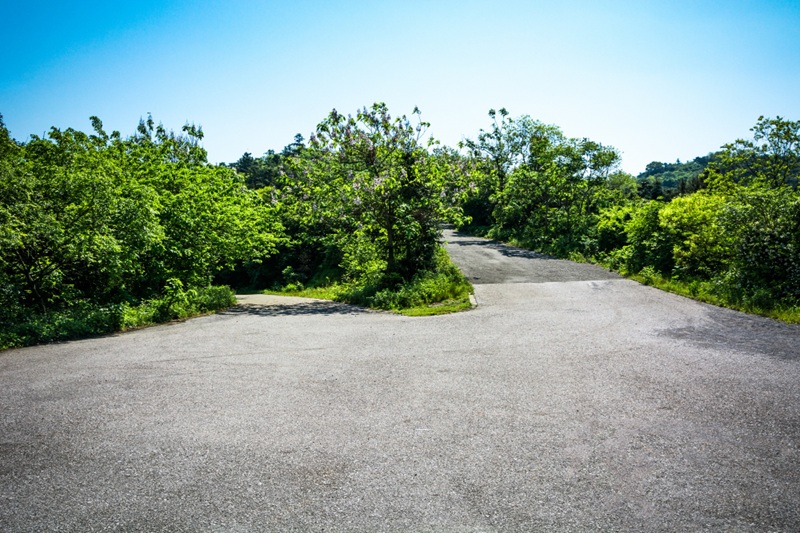
Most residential projects finish excavation within a day, though larger or clay-heavy areas may require more time.
Stage 4: Base Installation (1–3 Days)
The base layer is the foundation of the driveway. This generally involves:
- Laying crushed stone
- Compacting the material
- Smoothing and leveling the surface
- Creating proper drainage slopes
A weak base results in premature driveway failure, no matter the material used. This phase usually takes 1–3 days, depending on the driveway size and weather conditions. Commonwealth Paving emphasizes base strength as a core part of their paving process.
Stage 5: Installing the Driveway Material (1–3 Days)
This stage varies significantly depending on the driveway type. Let’s see how long each type takes.
1. Asphalt Driveway Installation Time
If the homeowner chooses asphalt, the installation itself can be completed in 1–2 days. Asphalt is known for quick installation, making it a preferred choice when timelines are tight.
However, while installation is fast, the surface must cure before heavy use. Light foot traffic is usually allowed within 24–48 hours, while full vehicle use may require 3–7 days.
2. Concrete Driveway Installation Time
Concrete installation typically takes 2–3 days, but the curing time is much longer.
Concrete requires:
- Pouring
- Leveling
- Finishing
- Texturing (if desired)
After installation, concrete needs 7–10 days to cure for light use and up to 28 days for full strength. So while installation is short, homeowners must plan for extended curing times.
3. Block Paver Driveway Installation Time
Block pavers require more detailed labor, including:
- Laying blocks
- Aligning patterns
- Cutting-edge pieces
- Applying joint sand
A typical driveway takes 3–5 days, depending on the complexity of the design.
4. Gravel Driveway Installation Time
Gravel driveways are the quickest. They can be completed in 1–2 days. However, they may need periodic maintenance, unlike asphalt or concrete.
Stage 6: Curing or Settling Time (Varies 1–28 Days)
This is one of the biggest components affecting How Long Does It Take to Build a Driveway.
- Asphalt: 3–7 days for vehicles; 30 days for complete curing
- Concrete: 7–10 days for walking; 28 days for full strength
- Pavers: Immediate use, but joint sand may settle for a week
- Gravel: Immediate use
Stage 7: Final Touches and Cleanup (1 Day)
Once the driveway is installed and cured, finishing tasks include:
- Sealing (for some materials)
- Cleaning the area
- Adding borders or curbs
- Checking for leveling imperfections
This stage usually takes one day and prepares the driveway for long-term use.
Key Factors That Influence the Total Driveway Construction Time
Now that we understand the stages, let’s explore the elements that influence the total project duration.
1. Driveway Size and Shape
A simple straight driveway takes far less time than one with curves, slopes, or design patterns. The larger the square footage, the more time required for excavation, base installation, and laying materials.
2. Soil Conditions
Clay-heavy soil takes longer to excavate and requires more compaction. Rocky soil may require additional equipment. Soft soil may require stabilization before building the base.
Soil type can add 1–3 extra days to the timeline.
3. Weather Conditions
Weather can dramatically affect How Long Does It Take to Build a Driveway.
Here’s how:
- Rain delays excavation and installation.
- Extreme heat affects asphalt spreading.
- Freezing temperatures make concrete curing slower.
The best months for driveway construction in Louisville are typically April to October.
4. Material Availability
If the chosen material requires special orders, it may delay the project start date. However, reputable companies like Commonwealth Paving ensure smooth logistics.
5. Site Accessibility
If the work area is tight or blocked by landscaping, fences, or structures, machinery movement slows down the installation process.
6. Permit Requirements
Some cities require driveway construction permits, which may take 1–7 days depending on local regulations.
7. Professional Expertise
A skilled crew can complete a project faster, more efficiently, and with fewer delays.
Commonwealth Paving is known for on-time completion and high-quality workmanship, minimizing common installation delays.
Average Total Time to Build a Driveway
Here is a general timeline summary:
- Asphalt Driveway: 3–10 days (including curing)
- Concrete Driveway: 10–30 days (primarily curing)
- Paver Driveway: 4–6 days
- Gravel Driveway: 1–3 days
These timelines may vary depending on the factors mentioned above.
How Commonwealth Paving Ensures Efficient Driveway Construction
At Commonwealth Paving, every driveway project follows strict quality and safety standards. With decades of experience in Louisville, Kentucky, and a local office at 136 Outer Loop, Louisville, Kentucky 40214, the team focuses on:
- Smooth project scheduling
- Skilled workforce
- High-quality equipment
- Efficient material handling
- Clear communication
- Quick response to unexpected issues
Homeowners can speak directly with the team at +1 502 459 7283 to schedule an inspection or ask questions.
When asking “How Long Does It Take to Build a Driveway?”, it’s important to understand that every project is unique. Weather, soil, driveway type, and site conditions all play a role in determining the timeline. Whether it’s asphalt, concrete, pavers, or gravel, choosing an experienced contractor ensures the process remains smooth, efficient, and long-lasting.
With expert guidance from Commonwealth Paving, homeowners in Louisville can count on a beautiful, durable driveway that stands the test of time—delivered with professionalism and efficiency.
If you’re planning your driveway upgrade, reach out to Commonwealth Paving at +1 502 459 7283 for a consultation today.
How Long Does It Take to Build a Driveway for Residential Properties?
A well-constructed driveway is more than just a place to park your car—it is a key part of your home’s curb appeal, functionality, and overall property value. Whether a homeowner is planning an upgrade or building a driveway for the first time, one of the most important questions they ask is: “How Long Does It Take to Build a Driveway?”
Driveway construction timelines vary depending on materials, soil condition, weather, design choices, and who is doing the work. When carried out by an experienced team like Commonwealth Paving, located at 136 Outer Loop, Louisville, Kentucky 40214, the process becomes structured, predictable, and efficient. With a dedicated team and a toll-free number +1 502 459 7283, homeowners enjoy a smooth experience from planning to final touches.
If you’re preparing to build a driveway for your residential property, this full guide explains the step-by-step timeline, factors affecting the schedule, and what homeowners can expect from a professional installation.
Why Understanding the Timeline Matters
Before exploring the details, it’s important to know why the timeline matters so much:
- It helps homeowners plan for vehicle parking arrangements
- It prevents surprises during construction
- It ensures the project stays within budget
- It provides clarity on material curing times
- It sets realistic expectations for completion
With that foundation, let’s explore the step-by-step timing for driveway construction and the factors that affect How Long it Take to Build a Driveway for residential homes.
Typical Stages of Driveway Construction
While each residential project is unique, most driveway installations follow these major stages:
- Initial consultation and planning
- Site preparation
- Excavation
- Base installation
- Driveway material installation
- Curing or settling time
- Clean-up and finishing work
Understanding these steps is the key to understanding the complete timeline.
Stage 1: Consultation, Planning, and Design (1–3 Days)
Before any machinery arrives, a professional team assesses the property. At Commonwealth Paving, this includes:
- Measuring the entire driveway layout
- Evaluating soil condition and grading
- Recommending the best driveway material
- Reviewing drainage solutions
- Discussing design preferences and budget
- Providing an accurate timeline based on site conditions
Planning typically takes 1–3 days, though larger driveways or custom designs may require more time. This early stage directly affects how efficiently the rest of the project runs.
Stage 2: Site Preparation (1–3 Days)
Proper site preparation helps avoid future problems like cracking, sinking, and water pooling. This step includes:
- Clearing grass, debris, or old driveway material
- Removing obstacles such as rocks, shrubs, or tree roots
- Leveling the ground
- Preparing space for equipment
Simple sites may require just one day, but older properties or uneven terrain may need up to three days for complete preparation.
Stage 3: Excavation (1–2 Days)
Excavation ensures the driveway has the correct depth. Most residential driveways require a dig of 8–12 inches, depending on:
- Soil condition
- Driveway material
- Load-bearing needs
Hard clay or rocky soil takes longer to excavate, while soft soil may require reinforcement. On average, excavation takes 1–2 days, but difficult terrain may extend this period.
Stage 4: Base Layer Installation (1–3 Days)
The base layer is the most critical foundation of any driveway. It supports the material on top and affects long-term performance. A typical base includes:
- Layers of crushed stone or gravel
- Moisture barriers
- Compaction and leveling
- Proper drainage grading
Because the base determines the driveway’s durability, Commonwealth Paving ensures this step is handled with precision and quality materials.
This phase generally takes 1–3 days, depending on driveway size and weather conditions.
Stage 5: Installing the Driveway Material
This is the stage most homeowners look forward to—where the driveway starts taking shape. But the timeline varies depending on the chosen material.
1. Asphalt Driveway Installation (1–2 Days)
Asphalt is one of the fastest driveway materials to install. Once the base is ready:
- Hot asphalt is poured
- It is spread evenly
- It is compacted using a roller
- Edges are shaped and smoothed
Installation usually takes 1–2 days.
However, asphalt must cool and cure before cars can use it. Light use is allowed after 24–48 hours, but full curing may take several weeks.
2. Concrete Driveway Installation (2–3 Days + Curing)
Concrete takes longer primarily due to curing time. Installation includes:
- Framing the area with wood borders
- Pouring concrete
- Leveling and smoothing
- Brushing or texturing the surface
- Allowing it to set
Installation takes 2–3 days, but curing lasts:
- 7–10 days for walking
- 14 days for light vehicles
- 28 days for full strength
This waiting period is essential to prevent cracks and surface damage.
3. Paver Driveway Installation (3–5 Days)
Pavers take longer because they involve placing individual blocks. Steps include:
- Laying bedding sand
- Placing pavers in a pattern
- Cutting edge pieces
- Compacting the entire surface
- Adding joint sand
The result is visually beautiful and offers long-term flexibility. Installation typically takes 3–5 days.
4. Gravel Driveway Installation (1–2 Days)
Gravel is the quickest and simplest driveway material. It can be installed in 1–2 days and used almost immediately. However, gravel requires more ongoing maintenance compared to asphalt or concrete.
Stage 6: Curing, Cooling, or Settling Time (Varies by Material)
Even after installation, driveways need time to strengthen before heavy use.
- Asphalt:
- 24–48 hours for walking
- 3–7 days for parking
- 30 days to fully cure
- Concrete:
- 7–10 days for walking
- 28 days for complete curing
- Pavers:
- Immediate use
- Sand settles for the first week
- Gravel:
- Immediate use
This stage is essential to understanding How Long Does It Take to Build a Driveway and should never be rushed.
Stage 7: Final Touches and Clean-Up (1 Day)
The last stage includes finishing work:
- Compacting the driveway surface
- Cleaning the surrounding area
- Sealing edges (for asphalt or concrete)
- Checking for leveling issues
- Adding decorative borders, if requested
This final polishing step usually takes just one day and ensures the driveway looks complete and professional.
Total Time: How Long Does It Take to Build a Driveway for a Residential Property?
Here is a summarized average timeline:
- Asphalt Driveway – 3–10 days (including curing)
- Concrete Driveway – 10–30 days (curing is the longest part)
- Paver Driveway – 4–6 days
- Gravel Driveway – 1–3 days
Of course, this timeline may change based on weather, soil condition, and the specific design requested.
Major Factors That Affect Driveway Construction Time
Now let’s look at the top elements that influence the construction timeline.
1. Driveway Size and Design
Larger driveways naturally take longer. Complex shapes, curves, borders, or decorative patterns also extend installation time.
2. Weather Conditions
The biggest factor outside human control.
Examples:
- Rain delays excavation and material pouring
- Hot weather affects asphalt work
- Freezing temperatures slow concrete curing
In Louisville, the ideal months for driveway construction are April through October.
3. Soil Stability
Unstable or clay-heavy soil requires reinforcement, adding 1–3 days.
4. Material Selection
Each driveway material has a distinct timeline:
- Asphalt is fastest
- Concrete needs long curing
- Pavers require precision
- Gravel installs quickest
5. Site Access
Narrow or obstructed areas slow down equipment movement and material delivery.
6. Permit Requirements
Some neighborhoods require driveway permits, which can take a few days.
7. Experience of the Contractor
A professional company like Commonwealth Paving ensures:
- Accurate planning
- Skilled workers
- High-quality equipment
- Reduced delays
- Consistent communication
This dramatically affects how quickly and smoothly the project is completed.
Why Choose Commonwealth Paving?
Homeowners across Louisville trust Commonwealth Paving for dependable, high-quality driveway construction. With an office at 136 Outer Loop, Louisville, Kentucky 40214, and a toll-free number +1 502 459 7283, the company provides:
- Quick and efficient scheduling
- High-grade materials
- Expert craftsmanship
- Clear timelines
- Long-lasting results
When building a driveway for your residential property, choosing the right team makes all the difference in both timeline and long-term durability.
If you’re planning a project and wondering “How Long Does It Take to Build a Driveway?”, the answer depends on material type, property conditions, and preparation needs. While gravel and asphalt driveways can be completed quickly, concrete and paver options take longer due to their curing and installation requirements.
No matter which driveway material you choose, the goal is long-term strength, beauty, and functionality. With expert guidance from Commonwealth Paving, you can expect a professional, well-managed process from start to finish.
If you’re preparing to build or upgrade your driveway, contact Commonwealth Paving at +1 502 459 7283 for a consultation and accurate project timeline.
Address
Commonwealth Paving, 136 Outerloop, Louisville, Kentucky 40214
Phone: 502-459-7283, Fax: 502-456-2678
Opening Hours
| Monday | 9:00 AM – 5:00 PM |
| Tuesday | 9:00 AM – 5:00 PM |
| Wednesday | 9:00 AM – 5:00 PM |
| Thursday | 9:00 AM – 5:00 PM |
| Friday | 9:00 AM – 5:00 PM |
| Saturday | Closed |
| Sunday | Closed |