
How Long Does It Take to Install an Asphalt Driveway? Weather, Prep & Curing Time
If you’re a homeowner considering a new driveway, one of the first questions that comes to mind is: “How long does it take to install an asphalt driveway?” Understanding the timeline for asphalt driveway installation is crucial not only for planning purposes but also for ensuring the longevity and quality of the pavement. At Commonwealth Paving, located at 136 Outer Loop, Louisville, Kentucky 40214, we specialize in high-quality asphalt installation and provide professional guidance to make this process smooth and stress-free. You can reach us at our toll-free number, +1 502 459 7283, to discuss your project.
In this comprehensive guide, we will break down the factors that influence the installation timeline, from site preparation and weather conditions to paving and curing times. By the end, you’ll have a clear understanding of what to expect when installing an asphalt driveway.
Understanding Asphalt Driveway Installation
Asphalt driveways are a popular choice for homeowners due to their durability, smooth finish, and cost-effectiveness. They can last 20–30 years with proper maintenance, making them an excellent long-term investment. However, the installation of an asphalt driveway is a precise process that involves multiple stages, each contributing to the overall timeline.
When people ask, “How long does it take to install an asphalt driveway?”, it’s important to note that the answer isn’t one-size-fits-all. Several factors affect the timeline, including the size of your driveway, the complexity of the layout, the condition of the existing soil, and the weather during the installation period.
Key Factors That Affect Installation Time
1. Weather Conditions
Weather plays a critical role in asphalt driveway installation. Asphalt is temperature-sensitive, and proper conditions are required to ensure optimal compaction and bonding.
- Temperature: Ideal paving temperatures range between 50°F and 85°F. If it’s too cold, the asphalt can cool too quickly, resulting in poor compaction. Extreme heat, on the other hand, can make the asphalt too soft, which may lead to surface rutting.
- Rain: Asphalt should not be laid during rainy conditions. Moisture in the subgrade can compromise the structural integrity of the driveway.
- Humidity: High humidity can slow down the curing process, extending the timeline before the driveway can be used.
At Commonwealth Paving, we carefully monitor weather conditions to schedule your asphalt installation at the most suitable time, ensuring durability and a smooth finish.
2. Site Preparation
Proper site preparation is essential for a long-lasting asphalt driveway. This stage often accounts for a significant portion of the installation timeline. The steps involved include:
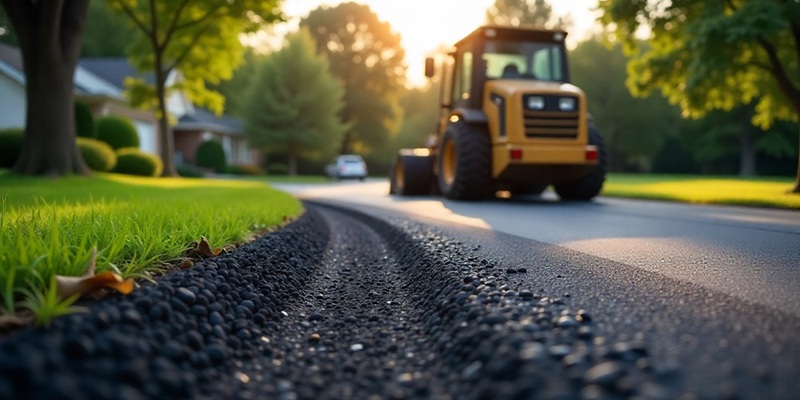
- Excavation and grading: Removing existing pavement or soil and grading the area to create a stable base. This ensures proper drainage and prevents future cracking.
- Base installation: The base layer, usually made of crushed stone or gravel, is compacted to provide support for the asphalt surface. A well-prepared base is crucial for preventing settling and potholes.
- Edge preparation: Edging the driveway ensures clean borders and helps the asphalt maintain its shape over time.
Depending on the size of your driveway and the condition of the existing site, preparation can take anywhere from one to three days. Complex terrains or driveways with slopes may require additional time to achieve the correct grading and drainage.
3. Asphalt Paving Process
Once the site is properly prepared, the next stage is paving the asphalt. This involves laying down hot asphalt and compacting it to create a smooth, even surface.
- Delivery and placement: Asphalt is delivered hot from the plant and must be placed immediately to prevent premature cooling.
- Spreading and leveling: Using specialized machinery, the asphalt is spread evenly across the prepared base. Skilled technicians ensure the thickness is consistent to prevent weak spots.
- Compaction: Proper compaction is critical. Asphalt is compacted with heavy rollers to eliminate air pockets and achieve the desired density.
For a standard residential driveway, paving usually takes one day, provided the weather is favorable and the team is experienced. Larger driveways or intricate designs with curves may require an additional day.
4. Curing and Cooling Time
After the asphalt has been laid and compacted, it needs time to cure and cool before it can be used. This is a stage where patience is essential, as premature use can damage the surface.
- Initial cooling: Asphalt cools relatively quickly, but it remains soft for several hours. Typically, light foot traffic is possible within 24 hours.
- Vehicle use: For normal vehicle traffic, it’s recommended to wait 48–72 hours after installation. Heavier vehicles should avoid the driveway for at least one week to allow proper curing and to prevent indentations or surface damage.
The curing process is affected by ambient temperature, sun exposure, and the thickness of the asphalt. At Commonwealth Paving, we provide homeowners with clear guidelines on when it’s safe to use their new driveway.
5. Size and Complexity of the Driveway
The size and complexity of your driveway directly impact the timeline. A standard two-car residential driveway usually requires 2–3 days from preparation to paving. Larger driveways or those with unique shapes, curves, or slopes may extend the timeline by an extra day or two.
Driveways with multiple access points, integrated walkways, or decorative patterns also require more detailed work during both the base preparation and paving stages.
6. Maintenance Considerations
Although maintenance doesn’t affect the installation timeline, planning for long-term upkeep is essential. Properly installed asphalt driveways require minimal maintenance, but periodic sealcoating every 3–5 years helps extend the lifespan. Ensuring the correct installation process from the start reduces future maintenance needs and preserves your investment.
Step-by-Step Timeline Example
To give homeowners a clearer idea, here’s an example timeline for a standard residential asphalt driveway:
| Stage | Timeframe |
|---|---|
| Site preparation (grading, excavation, base layer) | 1–3 days |
| Asphalt delivery and paving | 1 day |
| Initial cooling and curing | 24 hours (foot traffic) |
| Vehicle use | 48–72 hours for standard vehicles, 1 week for heavy vehicles |
This means that for most residential driveways, the full process from start to finish typically spans 3–5 days, assuming optimal conditions.
Why Choosing the Right Contractor Matters
Even if you understand how long does it take to install an asphalt driveway, the quality and speed of installation depend heavily on your contractor. A professional paving company like Commonwealth Paving brings expertise, equipment, and experience to the job.
Key benefits of choosing a reputable contractor include:
- Accurate assessment of site conditions
- Efficient grading and base preparation
- Proper asphalt mix and compaction techniques
- Guidance on curing and safe use of the driveway
By working with experts, you minimize the risk of premature cracks, potholes, or other issues that could shorten the lifespan of your driveway.
Tips for Homeowners to Ensure a Smooth Installation
While the contractor handles the technical work, homeowners can take steps to make the installation process smoother and faster:
- Clear the area: Remove vehicles, outdoor furniture, and other obstacles from the driveway area before the scheduled start date.
- Plan for weather: Avoid scheduling installation during rainy or extremely cold periods. Discuss flexible dates with your contractor to take advantage of optimal weather conditions.
- Follow curing instructions: Resist the temptation to drive on the new asphalt too soon. Following the recommended curing period ensures a longer-lasting driveway.
- Stay informed: Ask your contractor for a step-by-step timeline so you know what to expect each day of the installation process.
These proactive steps can help reduce delays and ensure your new driveway is installed efficiently.
Common Questions About Asphalt Driveway Installation
Q: Can asphalt be installed in winter?
A: Asphalt installation in cold weather is challenging because the pavement cools too quickly, affecting compaction. While it’s possible in mild winter conditions, spring and summer are preferred.
Q: How long before sealcoating can be applied?
A: After installation, it’s recommended to wait at least 6–12 months before applying a sealcoat. This allows the asphalt to fully cure and harden.

Q: How do weather delays affect the timeline?
A: Rain, extreme heat, or cold can slow down or temporarily halt installation. Your contractor will monitor conditions closely and reschedule work to ensure the best results.
So, how long does it take to install an asphalt driveway? The answer varies based on weather, site preparation, driveway size, and curing time. For most residential driveways, homeowners can expect the process to take approximately 3–5 days from start to finish under optimal conditions.
Working with a professional contractor like Commonwealth Paving ensures your driveway is installed efficiently, correctly, and with longevity in mind. Our team at 136 Outer Loop, Louisville, Kentucky 40214, is ready to guide you through every step of the process, from site assessment to final paving. Call us today at our toll-free number, +1 502 459 7283, to schedule a consultation or get a quote for your asphalt driveway installation.
A well-installed asphalt driveway not only enhances the curb appeal of your home but also provides a durable and reliable surface for years to come. By understanding the factors that affect installation time and working with experienced professionals, you can enjoy a beautiful, functional driveway with minimal stress.
How Long Does It Take to Install an Asphalt Driveway for Residential Homes?
If you’re planning a new driveway for your home, one of the first questions you might ask is: “How long does it take to install an asphalt driveway?” While asphalt driveways are known for their durability, smooth surface, and cost-effectiveness, the installation process is more complex than it might appear. Understanding the timeline for asphalt driveway installation is essential for planning, budgeting, and ensuring a high-quality finished product.
At Commonwealth Paving, located at 136 Outer Loop, Louisville, Kentucky 40214, we specialize in residential asphalt driveways and provide expert guidance to make your project as seamless as possible. You can reach us at our toll-free number, +1 502 459 7283, to discuss your driveway needs or schedule a consultation.
In this guide, we’ll break down the entire asphalt installation process, explain the factors that influence the timeline, and answer common questions homeowners have about installing a driveway. By the end, you’ll have a clear understanding of what it takes to achieve a long-lasting, beautiful asphalt driveway.
Understanding the Asphalt Driveway Installation Process
Asphalt is a popular choice for residential driveways due to its smooth finish, longevity, and relatively low maintenance. A properly installed asphalt driveway can last 20–30 years with regular care. However, the timeline for installation depends on multiple variables, including weather conditions, site preparation, driveway size, and curing time.
When homeowners ask, “how long does it take to install an asphalt driveway?”, the answer isn’t a simple one. Each project is unique, and understanding the full process can help you plan effectively.
1. Weather and Its Impact on Installation
Weather is one of the most significant factors affecting the installation timeline. Asphalt is highly temperature-sensitive, and improper conditions can compromise the quality of your driveway.
- Temperature: Asphalt should ideally be installed when the ambient temperature is between 50°F and 85°F. Cold temperatures can cause the asphalt to cool too quickly, preventing proper compaction, while extreme heat can make the asphalt too soft, increasing the risk of rutting.
- Rain and Moisture: Asphalt cannot be laid during rainy conditions. Water in the base or subgrade can prevent proper bonding and create weak spots.
- Humidity and Sun Exposure: High humidity can slow the curing process, while direct sun in hot climates can affect how quickly asphalt cools.
At Commonwealth Paving, we monitor weather conditions closely to schedule your asphalt installation at the optimal time, ensuring a durable and smooth surface.
2. Site Preparation: The Foundation of a Strong Driveway
A high-quality asphalt driveway starts with proper site preparation. This stage often determines the durability and lifespan of the driveway and can take a significant portion of the overall installation timeline.
Steps in site preparation include:
- Excavation and Grading: The existing soil or old driveway materials are removed, and the site is graded to create a stable foundation. Proper grading ensures water drains away from your home, preventing pooling and erosion.
- Base Installation: A strong base layer of crushed stone or gravel is installed and compacted. The base supports the asphalt layer and prevents settling, cracking, and potholes.
- Edging and Borders: Clean edges are established to help the asphalt retain its shape over time and give the driveway a polished appearance.
Depending on the size of your driveway and the condition of the existing site, preparation can take 1–3 days. Complex driveways with slopes, curves, or multiple access points may require additional time for precise grading.
3. Asphalt Paving: Laying Down the Surface
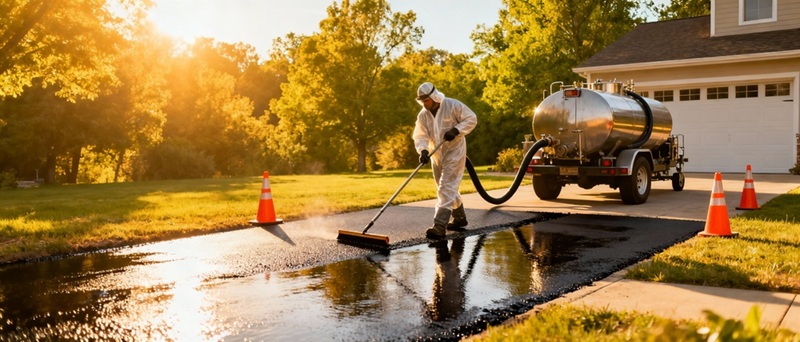
After the site is prepared, the asphalt paving stage begins. This process involves placing hot asphalt on the prepared base and compacting it to create a durable, smooth surface.
- Delivery and Placement: Asphalt is delivered hot from the plant and must be placed immediately to maintain workability.
- Spreading and Leveling: Professional crews spread the asphalt evenly across the base using specialized equipment. Consistent thickness is essential for preventing weak spots and ensuring longevity.
- Compaction: Heavy rollers compact the asphalt to eliminate air pockets and achieve the necessary density. Proper compaction is critical to preventing cracks and premature wear.
For a standard residential driveway, paving typically takes one day, assuming favorable weather and an experienced crew. Larger or more intricate driveways may require additional time.
4. Curing and Cooling Time
Once the asphalt is laid and compacted, it needs time to cool and cure. Patience is essential at this stage, as premature use can damage the surface.
- Initial Cooling: Asphalt remains soft for several hours after installation. Light foot traffic can usually occur within 24 hours.
- Vehicle Traffic: For standard vehicles, it’s recommended to wait 48–72 hours. Heavier vehicles should avoid the driveway for at least one week to allow proper curing.
The curing time can vary based on the asphalt thickness, ambient temperature, and sunlight exposure. Following proper curing guidelines ensures your driveway maintains its strength and appearance for decades.
5. Size and Complexity of the Driveway
The size and design of your driveway influence the total installation time. A standard two-car driveway may be installed within 3–5 days, while larger or more complex driveways with curves, slopes, or decorative elements can take longer.
Driveways with multiple entry points, integrated walkways, or unique shapes require extra attention during site preparation and paving to ensure proper drainage, stability, and aesthetics.
6. The Importance of Choosing the Right Contractor
Even if you understand how long does it take to install an asphalt driveway, the quality and speed of installation depend heavily on the contractor. Choosing a professional paving company like Commonwealth Paving ensures that:
- The site is properly evaluated and prepared
- The right asphalt mix is used for your climate and soil conditions
- Paving and compaction are done efficiently and correctly
- You receive guidance on curing and maintenance
A professional contractor reduces the risk of cracking, potholes, and other issues that can compromise your investment.
Typical Timeline for a Residential Asphalt Driveway
Here’s a general timeline for installing a standard residential asphalt driveway:
| Stage | Timeframe |
|---|---|
| Site preparation (grading, excavation, base installation) | 1–3 days |
| Asphalt paving | 1 day |
| Initial cooling | 24 hours (foot traffic) |
| Vehicle use | 48–72 hours for standard vehicles, 1 week for heavy vehicles |
For most residential homes, the entire process from start to finish typically takes 3–5 days, provided the weather is favorable and the site does not present unusual challenges.
Common Questions About Asphalt Driveways
Q: Can asphalt be installed in cold weather?
A: Cold weather can affect the asphalt’s ability to compact properly, making spring and summer the preferred seasons for installation.
Q: When can I sealcoat my new driveway?
A: It’s recommended to wait 6–12 months after installation before applying a sealcoat. This allows the asphalt to cure fully.
Q: What happens if it rains during installation?
A: Rain can delay the process. Your contractor will monitor conditions and reschedule if necessary to ensure the driveway is installed correctly.
Tips for Homeowners to Ensure a Smooth Installation
- Prepare the area: Remove vehicles, furniture, and obstacles from the driveway space.
- Schedule strategically: Choose a period with favorable weather to avoid delays.
- Follow contractor instructions: Respect the curing timeline to protect your investment.
- Stay informed: Ask your contractor for a step-by-step timeline so you know what to expect each day.
By taking these steps, homeowners can minimize delays and ensure their new driveway is installed efficiently.
Why Asphalt Driveways Are a Smart Choice
Asphalt driveways offer several advantages that make them popular among homeowners:
- Durability: Asphalt can withstand heavy vehicles and extreme weather when properly installed.
- Smooth Finish: Provides a seamless surface for driving, walking, and recreational use.
- Cost-Effective: Asphalt is generally more affordable than concrete while providing similar longevity.
- Maintenance-Friendly: Routine sealcoating and minor repairs help maintain the surface for decades.
A well-installed asphalt driveway not only improves the appearance of your home but also adds value and convenience.
So, how long does it take to install an asphalt driveway? While the timeline varies depending on weather, site preparation, driveway size, and curing time, most residential asphalt driveways can be completed within 3–5 days.
Partnering with a professional company like Commonwealth Paving ensures your driveway is installed efficiently, correctly, and built to last. Our team at 136 Outer Loop, Louisville, Kentucky 40214, is ready to guide you through every step, from initial consultation to final paving. You can reach us at +1 502 459 7283 to schedule a consultation or request a quote.
Investing in a professionally installed asphalt driveway provides a smooth, durable, and aesthetically pleasing surface that enhances your home and withstands the test of time. By understanding the installation process and working with experts, you can enjoy a stress-free experience and a driveway that serves your family for decades.
Address
Commonwealth Paving, 136 Outerloop, Louisville, Kentucky 40214
Phone: 502-459-7283, Fax: 502-456-2678
Opening Hours
| Monday | 9:00 AM – 5:00 PM |
| Tuesday | 9:00 AM – 5:00 PM |
| Wednesday | 9:00 AM – 5:00 PM |
| Thursday | 9:00 AM – 5:00 PM |
| Friday | 9:00 AM – 5:00 PM |
| Saturday | Closed |
| Sunday | Closed |