
How Long Does It Take to Pave a Concrete Driveway? Key Factors That Affect the Timeline
If you’re a homeowner considering a concrete driveway, one of the most common questions you may have is: “How long does it take to pave a concrete driveway?” Understanding the timeline is essential not only for planning your home improvement project but also for ensuring the longevity and durability of your driveway.
At Commonwealth Paving, located at 136 Outer Loop, Louisville, Kentucky 40214, we specialize in professional concrete driveway paving. Our team combines expertise, precision, and quality materials to deliver driveways that stand the test of time. You can reach us at our toll-free number, +1 502 459 7283, to discuss your project and receive a personalized consultation.
In this comprehensive guide, we’ll break down the process of paving a concrete driveway, explore the factors that influence how long it takes, and provide tips to ensure a smooth and efficient installation.
Understanding Concrete Driveway Installation
Concrete is one of the most popular choices for residential driveways due to its durability, strength, and long-lasting appeal. A well-installed concrete driveway can last 30 years or more with minimal maintenance, making it a smart investment for homeowners.
When people ask, “How long does it take to pave a concrete driveway?”, the answer depends on multiple factors, including site conditions, driveway size, weather, and the curing process. Concrete paving is a precise procedure that involves preparation, pouring, finishing, and curing. Each step is critical to ensuring a strong, crack-resistant driveway.
Key Factors Affecting the Timeline
1. Weather Conditions
Weather is one of the most important factors that affect concrete driveway installation. Concrete is sensitive to temperature, moisture, and humidity, and improper conditions can compromise the integrity of the driveway.
- Temperature: Ideal temperatures for concrete pouring are between 50°F and 75°F. If it’s too cold, concrete can freeze before it sets properly, leading to cracks. Extremely hot temperatures can cause rapid drying, resulting in shrinkage and surface defects.
- Rain: Pouring concrete during rain can wash away cement and weaken the surface. Heavy rain can delay the project by a day or more.
- Humidity: High humidity can slow the curing process, while low humidity combined with high heat can cause concrete to dry too quickly.
At Commonwealth Paving, we carefully monitor weather forecasts and schedule installations during optimal conditions to ensure the highest quality results.
2. Site Preparation
Proper site preparation is crucial for a successful concrete driveway. This stage often takes more time than many homeowners expect but is essential for the driveway’s strength and longevity.
Key steps include:
- Excavation and Grading: Removing existing soil, gravel, or old pavement and grading the area to ensure proper drainage. Improper grading can lead to water pooling and structural issues over time.
- Installing the Base: A strong base layer of compacted crushed stone or gravel is essential to support the concrete and prevent cracking.
- Formwork Installation: Wooden or metal forms are placed along the edges to shape the driveway and keep the concrete contained during pouring.
Depending on the driveway size and site conditions, preparation can take 1–3 days. Complex terrains, slopes, or driveways with multiple access points may require additional time.
3. Pouring the Concrete
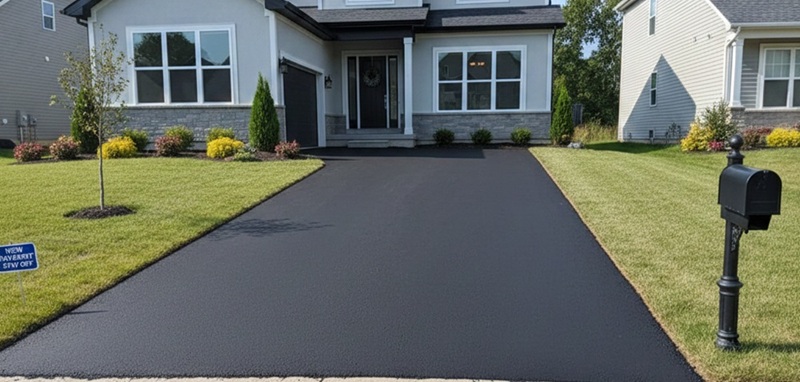
Once the site is prepared, the concrete can be poured. This stage is critical and requires precision to ensure a smooth, level surface.
- Delivery and Placement: Concrete is delivered from the plant and must be placed immediately before it begins to set.
- Spreading and Leveling: Using rakes, shovels, and screeds, the concrete is spread evenly across the prepared base. Consistency in thickness is essential to avoid weak spots.
- Finishing: After leveling, the surface is smoothed using trowels or floats. Special techniques may be used for textured or decorative finishes.
For an average residential driveway, pouring and initial finishing can typically be completed in 1 day, provided the crew is experienced and the site is ready.
4. Curing Time
Curing is a vital part of the concrete driveway process. Unlike asphalt, concrete requires time to harden and reach its full strength.
- Initial Set: Concrete begins to harden within a few hours, but it is still fragile. Foot traffic should be avoided for at least 24–48 hours.
- Vehicle Traffic: Light vehicle use can typically begin after 3–7 days, depending on thickness and curing conditions. Full curing to reach maximum strength usually takes 28 days.
- Curing Techniques: Contractors often use methods such as misting, covering with plastic sheets, or applying curing compounds to maintain moisture levels and prevent cracks.
Following proper curing procedures is crucial to ensure the longevity and durability of your concrete driveway.
5. Size and Complexity of the Driveway
The total installation time also depends on the size and design of the driveway.
- Standard Two-Car Driveway: Usually takes 3–5 days from preparation to initial vehicle use.
- Larger or Decorative Driveways: Driveways with multiple curves, slopes, or decorative finishes may take longer due to additional formwork, detailed finishing, and extended curing times.
Driveways with unique designs, stamped patterns, or integrated walkways require meticulous attention during preparation and pouring to ensure both functionality and aesthetic appeal.
6. Contractor Experience and Equipment
Even if you understand how long does it take to pave a concrete driveway, the skill and equipment of the contractor play a major role in the timeline. Experienced teams like Commonwealth Paving bring:
- Advanced tools and machinery for excavation, grading, and pouring
- Expertise in proper concrete mixing, pouring, and finishing
- Knowledge of local weather conditions and best practices for curing
- Clear guidance for homeowners on safe use during the curing process
Professional contractors can often complete the job more efficiently while ensuring the highest quality, reducing the likelihood of cracks, uneven surfaces, or long-term maintenance issues.
Step-by-Step Timeline for a Residential Concrete Driveway
To provide a clear picture, here’s an example timeline for a standard residential concrete driveway:
| Stage | Timeframe |
|---|---|
| Site preparation (excavation, grading, base installation, formwork) | 1–3 days |
| Concrete pouring and initial finishing | 1 day |
| Initial curing (foot traffic safe) | 24–48 hours |
| Light vehicle use | 3–7 days |
| Full curing for maximum strength | 28 days |
For most residential projects, the driveway can be safely used by standard vehicles within a week, although full curing to achieve maximum strength takes about 28 days.
Common Questions About Concrete Driveways
Q: Can concrete be poured in winter?
A: Cold temperatures can cause concrete to freeze before it sets, leading to cracks. Special techniques can allow winter pours, but spring and summer are preferred.
Q: When can sealers or finishes be applied?
A: Sealing is typically recommended after 28 days of curing to protect the surface from stains, water damage, and freeze-thaw cycles.
Q: How does weather affect the timeline?
A: Rain, extreme heat, or cold can delay installation. A professional contractor like Commonwealth Paving schedules the project to avoid unfavorable weather conditions whenever possible.
Tips for Homeowners to Ensure a Smooth Installation
- Clear the driveway area: Remove vehicles, outdoor furniture, and other obstacles before the scheduled start date.
- Choose the right season: Avoid extreme temperatures or rainy periods for smoother installation.
- Follow curing instructions: Refrain from using the driveway too early to prevent damage.
- Communicate with your contractor: Ask for a step-by-step timeline so you know what to expect at each stage.
Being proactive and informed ensures a smoother installation process and a long-lasting concrete driveway.
Benefits of Choosing Concrete for Your Driveway
Concrete driveways offer several advantages that make them a popular choice among homeowners:
- Durability: Concrete is strong and can handle heavy vehicles without deformation.
- Longevity: A properly installed driveway can last 30 years or more with minimal maintenance.
- Low Maintenance: Routine cleaning and periodic sealing are generally sufficient to maintain the surface.
- Aesthetic Options: Concrete can be colored, stamped, or textured for added visual appeal.
Investing in a high-quality concrete driveway improves the functionality, appearance, and value of your home.
So, how long does it take to pave a concrete driveway? While the timeline varies depending on weather, site preparation, driveway size, and curing time, most residential concrete driveways can be completed for initial use within 3–7 days, with full curing achieved in 28 days.
Choosing a professional company like Commonwealth Paving ensures your driveway is installed efficiently and built to last. Our team at 136 Outer Loop, Louisville, Kentucky 40214, has the expertise, tools, and experience to handle every step, from site preparation to final curing. You can reach us at +1 502 459 7283 to schedule a consultation or request a quote for your concrete driveway project.
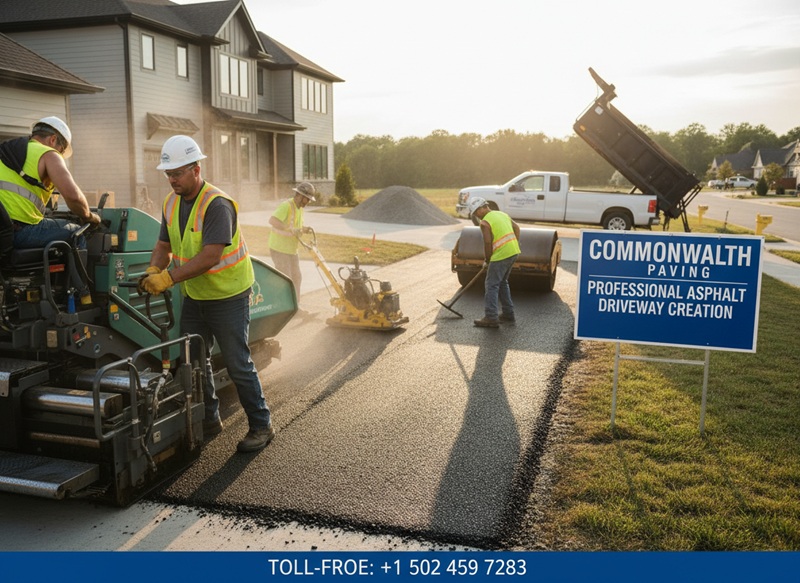
A professionally installed concrete driveway not only enhances your home’s curb appeal but also provides a durable, reliable surface for decades. By understanding the factors that affect the installation timeline and working with experienced contractors, homeowners can enjoy a smooth, stress-free experience and a beautiful, long-lasting driveway.
How Long Does It Take to Pave a Concrete Driveway? Weather, Prep & Curing Time Explained
For homeowners looking to upgrade their property with a concrete driveway, a common question arises: “How long does it take to pave a concrete driveway?” While concrete driveways are renowned for their durability, clean appearance, and low maintenance, the installation process requires careful planning, skilled execution, and patience. Understanding the factors that influence the timeline helps homeowners prepare effectively and ensures a smooth, long-lasting result.
At Commonwealth Paving, located at 136 Outer Loop, Louisville, Kentucky 40214, we specialize in residential concrete driveways. With years of experience, our team ensures that every project meets the highest standards of quality. You can reach us at our toll-free number, +1 502 459 7283, to discuss your driveway project and receive expert guidance.
In this guide, we will explain the stages of concrete driveway installation, from weather considerations and site preparation to pouring, finishing, and curing. By understanding each step, you will have a realistic expectation of the process and the timeline involved.
Why Homeowners Choose Concrete Driveways
Concrete driveways are a popular choice due to several key advantages:
- Durability: Concrete can handle heavy vehicles and resist cracking when properly installed.
- Longevity: A professionally installed driveway can last 25–30 years or more.
- Low Maintenance: Routine cleaning and occasional sealing keep concrete driveways in excellent condition.
- Aesthetic Flexibility: Concrete can be finished in smooth, textured, stamped, or colored patterns to complement your home.
Despite these benefits, the process of paving a concrete driveway is more complex than it appears. Knowing the steps involved helps homeowners understand how long does it take to pave a concrete driveway and why professional installation is important.
Key Factors That Affect the Installation Timeline
Several factors influence the time it takes to complete a concrete driveway. Ignoring these factors can lead to delays, quality issues, or even future repairs. At Commonwealth Paving, we carefully consider each factor to ensure efficient and high-quality results.
1. Weather Conditions
Weather is one of the most critical factors in concrete driveway installation. Concrete is highly sensitive to temperature, moisture, and humidity. Improper weather conditions can compromise the structural integrity and longevity of the driveway.
- Temperature: The ideal temperature range for pouring concrete is between 50°F and 75°F. Cold weather can slow down curing and may even freeze the concrete before it sets properly, leading to cracks. Extremely hot weather can cause rapid drying, shrinkage, and surface cracking.
- Rain and Moisture: Pouring concrete during rain can wash away cement and weaken the surface. Contractors often delay pouring if rain is forecasted to ensure the driveway sets correctly.
- Humidity and Sunlight: High humidity slows down curing, while intense sunlight can cause rapid evaporation, potentially leading to cracks or uneven surfaces.
Professional contractors like Commonwealth Paving monitor weather conditions and schedule projects to avoid unfavorable conditions, ensuring the driveway develops strength and durability as intended.
2. Site Preparation
Proper site preparation is a critical step in concrete driveway installation and significantly affects the overall timeline. A well-prepared site provides a stable base, ensures proper drainage, and reduces the likelihood of cracking or settling.
Site preparation includes:
- Excavation and Grading: Removing existing soil, old pavement, or debris and grading the site for proper slope and drainage. Poor grading can lead to standing water and long-term damage.
- Base Installation: A compacted base of crushed stone or gravel is installed to support the concrete. The base ensures even weight distribution and prevents shifting or cracking.
- Formwork Installation: Wooden or metal forms are set along the edges of the driveway to contain the concrete and define its shape.
Depending on the driveway’s size and terrain, site preparation can take 1–3 days. Sloped or irregular terrains may require additional work to ensure a level, stable surface.
3. Concrete Pouring and Finishing
After the site is prepared, the concrete is poured, leveled, and finished. This is the stage where the driveway begins to take shape, and it requires skilled labor to ensure a smooth, durable surface.
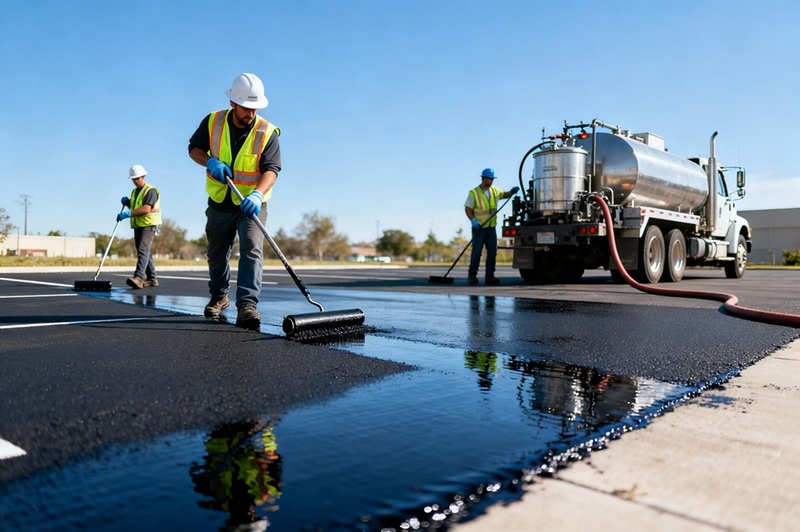
- Delivery and Placement: Concrete is delivered from the batching plant and must be placed immediately to maintain workability.
- Spreading and Leveling: Using rakes, shovels, and screeds, concrete is spread evenly across the prepared base. Consistency in thickness is crucial to prevent weak spots.
- Finishing: The surface is smoothed with trowels or floats. For decorative driveways, stamped or textured finishes are applied. Finishing also includes adding expansion joints to prevent cracking as the concrete expands and contracts.
For a standard residential driveway, pouring and finishing typically take 1 day, assuming the crew is experienced and the site is ready. More complex designs, decorative finishes, or large driveways may require additional time.
4. Curing and Cooling Time
Curing is one of the most important stages in the concrete driveway process. Concrete requires time to harden and reach its full strength, and rushing this stage can compromise durability.
- Initial Set: Concrete begins to harden within a few hours but remains fragile. Foot traffic should generally be avoided for 24–48 hours.
- Light Vehicle Use: Standard vehicles can usually be driven on the driveway after 3–7 days, depending on thickness, weather, and curing conditions.
- Full Curing: Concrete reaches maximum strength after approximately 28 days. During this time, proper curing methods, such as keeping the surface moist or covering it with curing compounds, prevent cracks and surface defects.
Patience is key during the curing stage. Homeowners who use the driveway too soon risk damaging the surface, which can lead to costly repairs later.
5. Driveway Size and Complexity
The size and complexity of your driveway directly affect how long the installation takes.
- Standard Two-Car Driveway: Typically completed within 3–5 days from site preparation to initial vehicle use.
- Larger or Decorative Driveways: Driveways with curves, slopes, stamped patterns, or multiple access points require more preparation, pouring, and finishing time. These factors can extend the installation timeline by one or more days.
Driveways with intricate designs also require careful planning for drainage and expansion joints, which adds to the overall installation time.
6. Contractor Experience and Equipment
Even with perfect weather and site conditions, the experience and equipment of the contractor play a major role in determining the timeline. Professional teams like Commonwealth Paving bring:
- Advanced machinery for excavation, grading, and concrete pouring
- Expertise in concrete mixing, finishing, and curing
- Knowledge of local weather patterns and best installation practices
- Clear guidance for homeowners on proper use during curing
A professional contractor can complete the job more efficiently while ensuring long-term durability, minimizing the risk of cracks, uneven surfaces, or maintenance issues.
Step-by-Step Timeline for a Residential Concrete Driveway
Here is a general timeline for a standard residential concrete driveway:
| Stage | Timeframe |
|---|---|
| Site preparation (excavation, grading, base installation, formwork) | 1–3 days |
| Concrete pouring and finishing | 1 day |
| Initial curing (foot traffic safe) | 24–48 hours |
| Light vehicle use | 3–7 days |
| Full curing for maximum strength | 28 days |
Most residential driveways can accommodate standard vehicle use within a week, while full curing to achieve maximum strength takes around 28 days.
Common Questions About Concrete Driveways
Q: Can concrete be poured in cold weather?
A: Cold weather can slow curing or even freeze concrete before it sets properly. Special measures are needed for winter pours, but spring and summer remain ideal.
Q: When can sealers or decorative finishes be applied?
A: Sealers or surface treatments are typically applied after 28 days of curing to protect the driveway from stains, water damage, and freeze-thaw cycles.
Q: How do weather delays affect the timeline?
A: Rain, extreme heat, or cold can delay pouring and curing. Contractors like Commonwealth Paving plan projects around favorable weather windows to minimize delays.
Tips for Homeowners
- Clear the area: Remove vehicles, outdoor furniture, and other obstacles before installation.
- Schedule wisely: Avoid extreme temperatures or rainy periods.
- Follow curing guidelines: Avoid using the driveway prematurely to prevent damage.
- Stay informed: Request a detailed timeline from your contractor for each stage of the project.
By taking these steps, homeowners can help ensure the installation goes smoothly and the driveway remains durable for decades.
Benefits of a Professionally Installed Concrete Driveway
Investing in a concrete driveway provides numerous long-term advantages:
- Strength and durability: Supports heavy vehicles without deformation.
- Long lifespan: Can last 25–30 years or more with proper care.
- Low maintenance: Routine cleaning and sealing protect the surface.
- Aesthetic versatility: Smooth, stamped, colored, or textured finishes enhance curb appeal.
A professionally installed driveway not only improves the appearance of your home but also adds functionality and value.
So, how long does it take to pave a concrete driveway? The timeline depends on weather, site preparation, driveway size, and curing time. Most residential concrete driveways can be ready for initial vehicle use within 3–7 days, while full curing takes about 28 days.
Working with a professional contractor like Commonwealth Paving ensures that your driveway is installed efficiently, correctly, and built to last. Our team at 136 Outer Loop, Louisville, Kentucky 40214, brings experience, advanced equipment, and expert guidance to every project. Call us today at +1 502 459 7283 to schedule a consultation or get a quote for your concrete driveway installation.
Investing in a professionally installed concrete driveway provides a smooth, durable, and aesthetically pleasing surface that will enhance your home for decades. By understanding the process and timeline, and choosing experienced professionals, homeowners can enjoy a stress-free installation and a long-lasting driveway.
Address
Commonwealth Paving, 136 Outerloop, Louisville, Kentucky 40214
Phone: 502-459-7283, Fax: 502-456-2678
Opening Hours
| Monday | 9:00 AM – 5:00 PM |
| Tuesday | 9:00 AM – 5:00 PM |
| Wednesday | 9:00 AM – 5:00 PM |
| Thursday | 9:00 AM – 5:00 PM |
| Friday | 9:00 AM – 5:00 PM |
| Saturday | Closed |
| Sunday | Closed |