
How Much Does Sealing Pavers Cost for Large Properties?
Maintaining large commercial or industrial properties involves more than just landscaping and regular cleaning. One essential aspect of upkeep that is often overlooked is sealing pavers. Paving stones form the foundation of driveways, walkways, and parking areas, and sealing them is crucial for protecting the investment, enhancing appearance, and extending longevity. A common question property owners ask is: “How much does sealing pavers cost?”
At Commonwealth Paving, located at 136 Outer Loop, Louisville, Kentucky 40214, we specialize in professional paver sealing services for commercial and industrial properties. With our team of experts and state-of-the-art equipment, we provide high-quality sealing that protects surfaces from wear, stains, and environmental damage. You can contact us at our toll-free number, +1 502 459 7283, to schedule a consultation or get a detailed quote for your property.
In this comprehensive guide, we will explore the key factors that influence the cost of sealing pavers, the benefits of professional sealing, and what large property owners should know when planning for this essential maintenance task.
Why Sealing Pavers is Important for Large Properties
Pavers, whether made of concrete, clay, or natural stone, are designed to be durable and long-lasting. However, exposure to heavy foot and vehicle traffic, UV rays, water, chemicals, and general wear can degrade their appearance and integrity over time. Sealing pavers helps prevent this damage and provides several critical benefits for large properties:
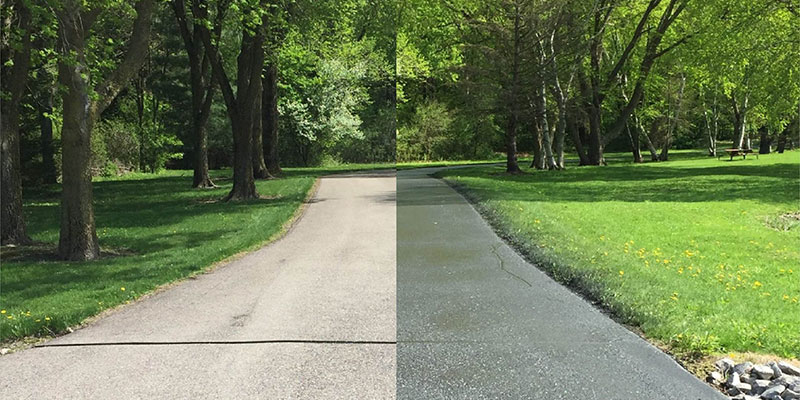
- Protection Against Stains and Spills: Oil, grease, and other substances common in commercial settings can penetrate unsealed pavers, causing permanent stains. Sealing creates a protective layer that resists such infiltration.
- Enhanced Appearance: Sealed pavers look cleaner, brighter, and more uniform in color, giving commercial properties a polished and professional appearance.
- Reduced Weed and Moss Growth: Sealing pavers prevents the infiltration of moisture, which discourages moss, algae, and weed growth in joints.
- Extended Lifespan: By protecting the pavers from water penetration, freeze-thaw cycles, and erosion, sealing can significantly extend the life of your paved surfaces.
Given the high traffic and usage associated with large properties, regular sealing is not just cosmetic—it’s an investment in long-term durability.
Key Factors Affecting the Cost of Sealing Pavers
The cost of sealing pavers can vary significantly based on multiple factors. Understanding these variables is crucial for budgeting accurately and ensuring optimal results.
1. Size of the Property
The most obvious factor affecting cost is the total area to be sealed. Large commercial properties, such as corporate campuses, shopping centers, or industrial complexes, naturally require more time, labor, and materials than smaller areas.
- Small to Medium Areas: Lower total costs due to less labor and materials, but sometimes a higher cost per square foot due to setup and equipment mobilization.
- Large Areas: Larger properties can benefit from economies of scale, slightly reducing the cost per square foot, but require more planning, equipment, and crew coordination.
At Commonwealth Paving, we conduct precise measurements to provide accurate estimates tailored to the property size.
2. Condition of the Pavers
The current condition of your pavers significantly impacts the cost of sealing. Sealing is most effective when the surface is clean and free of damage:
- Clean Surfaces: If pavers are relatively clean and in good condition, sealing is faster and requires fewer materials, reducing costs.
- Dirty or Damaged Surfaces: Properties with heavy stains, moss, or algae may require professional cleaning, power washing, or minor repairs before sealing. These preparation steps increase the overall cost.
Proper preparation ensures the sealant adheres correctly and provides maximum protection, which is especially important for high-traffic commercial areas.
3. Type of Pavers
Not all pavers are created equal. The material, texture, and finish of the pavers influence both the amount of sealant required and the cost:
- Concrete Pavers: Typically absorbent and cost-effective to seal, but require high-quality sealants for long-lasting protection.
- Clay Pavers: Less porous but may need specialized sealants to preserve color and prevent surface damage.
- Natural Stone Pavers: Can be uneven and require careful application; premium sealants are often used to maintain appearance and integrity.
Choosing the right sealant for your specific paver type is essential for long-term protection and influences the cost of sealing pavers.
4. Type of Sealant
There are several types of sealants available, each with different properties and costs:
- Penetrating Sealants: Absorb into the paver, providing protection from moisture and stains without altering surface appearance. These are typically cost-effective for large areas.
- Film-Forming Sealants: Create a protective layer on top of the paver, enhancing color and providing extra stain resistance. Film-forming sealants are often more expensive but provide a polished, high-gloss finish.
- Solvent-Based vs. Water-Based Sealants: Solvent-based products often provide stronger protection but can be costlier and require careful handling. Water-based sealants are easier to apply and environmentally friendly but may need more frequent reapplication.
The choice of sealant impacts the overall cost and longevity of the protection.
5. Labor Costs
Labor is another significant component of paver sealing costs. Professional sealing involves preparation, application, and finishing:
- Experienced Crews: Skilled contractors ensure even application and proper coverage, preventing issues like peeling, bubbling, or uneven color.
- Equipment and Technique: Proper sprayers, rollers, and cleaning equipment are required to handle large properties efficiently.
- Time Required: Large commercial properties often require multiple days to complete, especially if preparation steps like cleaning or joint repair are necessary.
Hiring a professional team, such as Commonwealth Paving, ensures high-quality results and minimizes the risk of mistakes that can compromise protection.
6. Accessibility and Layout
The layout and accessibility of the paved area affect both labor and material usage:
- Complex Layouts: Curves, tight corners, and multiple levels increase the time and effort required for application.
- Accessibility: Hard-to-reach areas, inclines, or obstacles may require additional equipment or more labor-intensive techniques, increasing costs.
Properties with simple, flat layouts are generally more cost-effective to seal than those with complicated designs.
7. Frequency of Maintenance
Sealing is not a one-time investment. The durability of the sealant and the maintenance schedule affect long-term costs:
- High-Traffic Areas: Commercial driveways, parking lots, and walkways may require more frequent sealing to maintain protection.
- Environmental Exposure: Areas exposed to heavy sun, rain, snow, or chemicals may also need more regular reapplication.
Planning a long-term maintenance schedule helps property managers budget effectively for recurring costs.
Average Costs for Sealing Pavers on Large Properties
While the cost varies based on the factors outlined above, large commercial properties typically experience the following ranges:
- Basic Sealant: $0.50 to $1.50 per square foot, suitable for standard protection on well-maintained pavers.
- Premium Sealant: $1.50 to $3.00 per square foot, providing high-gloss finish, advanced stain protection, or specialized coatings for natural stone or heavily trafficked areas.
These prices generally include surface cleaning, minor joint repair, application of the sealant, and finishing touches. For larger properties, total costs can be significant, but professional sealing extends paver life, reduces repairs, and maintains a polished appearance, providing excellent long-term value.
Benefits of Professional Paver Sealing
While some property managers consider DIY sealing, professional services offer several advantages:
- Proper Preparation: Professionals clean and repair the surface before sealing, ensuring optimal adhesion.
- Even Application: Ensures consistent coverage, preventing peeling, streaking, or missed spots.
- Long-Term Protection: High-quality sealants applied correctly last longer and resist stains, water, and UV damage.
- Safety and Efficiency: Professionals use appropriate equipment and techniques, reducing risks associated with improper chemical handling or uneven surfaces.
At Commonwealth Paving, our team provides expert paver sealing services for large properties, ensuring long-lasting results that protect your investment.
Planning Your Paver Sealing Project
To maximize the benefits and minimize costs, large property owners should consider the following steps:
- Assess the Pavers: Identify the type, condition, and size of the paved area to determine preparation needs and sealant type.
- Select the Right Sealant: Choose a product suited for your traffic levels, environmental exposure, and aesthetic goals.
- Schedule Properly: Plan sealing during favorable weather to ensure proper drying and curing.
- Budget Accordingly: Include preparation, labor, materials, and potential future maintenance in your cost estimates.
- Work with Professionals: Hiring a trusted contractor like Commonwealth Paving ensures high-quality results and reduces long-term maintenance expenses.
Proper planning guarantees a smooth project and protects your paved surfaces for years to come.
Sealing pavers is an essential maintenance task for large commercial and industrial properties. It protects against stains, enhances appearance, reduces moss and weed growth, and extends the lifespan of paved surfaces. The question, “How much does sealing pavers cost?”, depends on several factors, including property size, paver condition, material type, sealant choice, labor, accessibility, and maintenance requirements.
Typical costs for large properties range from $0.50 to $3.00 per square foot, depending on the level of protection and quality of the sealant. While sealing involves an upfront investment, professional services ensure long-term savings, reduced repairs, and a polished, professional look.
For property managers in Louisville seeking expert paver sealing services, Commonwealth Paving is the trusted choice. Our team at 136 Outer Loop, Louisville, Kentucky 40214, combines experience, equipment, and high-quality sealants to deliver exceptional results. Contact us today at +1 502 459 7283 to schedule a consultation or get a personalized quote for your property.
Investing in professional paver sealing safeguards your surfaces, enhances property value, and provides peace of mind for years to come.
How Much Does Sealing Pavers Cost and How Often Should You Seal?
Maintaining paved surfaces is an essential part of keeping residential, commercial, and industrial properties looking their best. Pavers, whether used in driveways, walkways, or parking areas, are durable and versatile, but they are not impervious to wear, weather, and stains. One of the most effective ways to protect these surfaces and extend their lifespan is through sealing. Property owners often ask: “How much does sealing pavers cost, and how often should you seal them?”
At Commonwealth Paving, located at 136 Outer Loop, Louisville, Kentucky 40214, we specialize in professional paver sealing services. Our experienced team ensures your pavers remain protected, visually appealing, and structurally sound for years to come. You can reach us at our toll-free number, +1 502 459 7283, to discuss your property, schedule a consultation, or receive a detailed quote.
This comprehensive guide will explore the factors that influence the cost of sealing pavers, the recommended frequency of sealing, and why professional sealing is a wise investment.
Understanding Paver Sealing
Paver sealing involves applying a protective layer over the surface of paving stones. This layer helps protect against water penetration, stains, UV damage, and general wear. While pavers are designed to be strong and long-lasting, they are porous and can absorb oil, dirt, and other substances over time. Sealing addresses these vulnerabilities.
There are several types of sealants:
- Penetrating Sealers: Absorb into the paver to provide water and stain resistance without changing the appearance.
- Film-Forming Sealers: Create a protective layer on top of the pavers, enhancing color, providing a glossy or semi-gloss finish, and offering additional stain protection.
- Solvent-Based vs. Water-Based Sealers: Solvent-based sealers provide stronger, longer-lasting protection but require careful handling, while water-based sealers are more environmentally friendly and easier to apply.
Each sealant type has a unique effect on both appearance and durability, which in turn impacts the cost.
Factors That Influence the Cost of Sealing Pavers
The cost of sealing pavers varies depending on multiple factors. Understanding these factors helps property owners plan budgets effectively and avoid surprises.
1. Size of the Area
The most obvious factor is the total area to be sealed. Larger areas require more materials, more labor, and additional equipment, which naturally increases costs.
- Small Areas: Smaller driveways or patios may have higher per-square-foot costs because the setup and mobilization of equipment is a fixed expense.
- Large Areas: Commercial properties or industrial sites may benefit from economies of scale, slightly reducing the cost per square foot due to the volume of work.
Accurate measurement of the paved area is essential for estimating the total cost. At Commonwealth Paving, we conduct thorough site assessments to provide precise quotes tailored to each property.
2. Condition of the Pavers
The condition of your pavers directly affects both preparation and sealing costs:
- Clean and Well-Maintained Pavers: If the surface is in good condition, sealing can proceed with minimal preparation, reducing overall costs.
- Dirty or Damaged Pavers: Pavers that are stained, uneven, or overrun with moss or weeds require professional cleaning and minor repairs before sealing. This preparation adds to labor and material costs but ensures proper adhesion and long-term effectiveness.
Proper surface preparation is critical for achieving a uniform, long-lasting seal.
3. Type of Pavers
The material and texture of pavers also impact the cost:
- Concrete Pavers: Generally cost-effective and porous, requiring standard sealants for protection.
- Clay Pavers: Slightly less porous and may need specialized sealants to maintain color and durability.
- Natural Stone Pavers: These often require premium sealants for color enhancement and durability, which can increase overall costs.
Different paver types may also absorb sealants differently, affecting the amount of material needed and the number of coats required.
4. Type of Sealant Used
Sealant choice significantly impacts both cost and longevity:
- Penetrating Sealants: Typically less expensive per square foot and provide excellent protection against water and stains without altering the appearance of the pavers.
- Film-Forming Sealants: Slightly more costly but add a glossy or semi-gloss finish and stronger surface protection.
- Premium Sealants: Used for high-traffic areas or commercial properties, these provide extended protection but come with higher upfront costs.
Selecting the right sealant depends on your property’s needs, traffic levels, and desired aesthetic.
5. Labor and Professional Expertise
Labor is a critical factor in sealing costs. Proper application requires knowledge, experience, and the right equipment.
- Experienced Crews: Professionals ensure uniform application, proper coverage, and a smooth finish.
- Equipment Use: For large areas, commercial sprayers, rollers, and pressure washers improve efficiency and consistency.
- Time Required: Larger or complex properties may require multiple days to prepare, seal, and allow proper curing.
Hiring skilled professionals like Commonwealth Paving ensures high-quality results and protects your investment.
6. Accessibility and Layout of the Property
The layout and accessibility of the paved surface can affect cost:
- Simple, Flat Layouts: Easier to seal with minimal effort, reducing labor time.
- Complex or Hard-to-Reach Areas: Curves, slopes, islands, or tight corners require more precision, additional labor, and sometimes specialized equipment.
Efficient planning and professional expertise help manage these variables to control costs.
Typical Costs of Sealing Pavers
While prices vary based on the factors above, property owners can expect the following ranges for paver sealing:
- Basic Sealant Application: $0.50 to $1.50 per square foot. Ideal for residential patios, low-traffic areas, or standard protection.
- Premium Sealant Application: $1.50 to $3.00 per square foot. Suitable for high-traffic commercial driveways, industrial sites, or areas where enhanced appearance and stain resistance are desired.
These estimates include cleaning, minor repairs, sealant application, and finishing touches. Large properties require careful planning and professional crews to ensure uniform coverage and consistent results.
How Often Should You Seal Pavers?
Sealing is not a one-time task; the frequency depends on factors such as traffic, exposure, and sealant type:
- Residential Driveways and Patios: Typically every 2 to 3 years.
- Commercial or High-Traffic Areas: Every 1 to 2 years, depending on wear, weather exposure, and maintenance schedule.
- Environmental Exposure: Areas with heavy sun, rain, or snow may require more frequent sealing to maintain protection.
Regular sealing preserves both the appearance and structural integrity of pavers. Ignoring maintenance can lead to staining, water damage, and the need for costly repairs or replacements.
Benefits of Professional Paver Sealing
While DIY sealing is possible, professional sealing ensures long-lasting results, especially for large properties:
- Proper Surface Preparation: Professionals clean, repair, and prepare surfaces for optimal sealant adhesion.
- Consistent Application: Even coverage prevents peeling, streaking, and uneven appearance.
- Long-Term Protection: High-quality sealants applied by experts last longer, resisting stains, water, and UV damage.
- Safety and Efficiency: Professionals handle chemicals safely and apply sealants efficiently, minimizing downtime for commercial properties.
At Commonwealth Paving, our team provides expert sealing services for both residential and commercial properties, ensuring your pavers remain protected and visually appealing for years.
Planning Your Paver Sealing Project
To maximize the benefits of paver sealing and control costs, consider the following steps:
- Assess the Pavers: Identify the type, size, and condition of the area to determine preparation needs and sealant type.
- Choose the Right Sealant: Select a product that fits your traffic levels, environmental exposure, and aesthetic goals.
- Schedule Appropriately: Seal pavers during favorable weather to ensure proper drying and curing.
- Budget Properly: Include preparation, labor, materials, and potential future maintenance in your cost estimates.
- Hire Professionals: Trusting an experienced contractor like Commonwealth Paving ensures optimal results and reduces long-term maintenance expenses.
Proper planning guarantees a smooth project and helps protect your paved surfaces for the long term.
Sealing pavers is a critical investment for maintaining the beauty, safety, and longevity of paved surfaces. The question, “How much does sealing pavers cost?”, depends on factors such as property size, paver type, surface condition, sealant choice, labor, and layout. Typical costs range from $0.50 to $3.00 per square foot, with larger or high-traffic properties benefiting from professional application to ensure maximum protection and visual appeal.
The frequency of sealing depends on traffic, environmental exposure, and sealant type, with residential areas generally sealed every 2 to 3 years and commercial or high-traffic areas every 1 to 2 years. Regular sealing extends paver life, reduces maintenance costs, and maintains a professional appearance.
For property owners in Louisville seeking reliable paver sealing services, Commonwealth Paving is your trusted partner. Our team at 136 Outer Loop, Louisville, Kentucky 40214, combines experience, high-quality sealants, and professional equipment to deliver exceptional results. Contact us at +1 502 459 7283 to schedule a consultation or receive a personalized estimate for your property.
Investing in professional paver sealing safeguards your surfaces, enhances curb appeal, and ensures lasting durability for years to come.
Address
Commonwealth Paving, 136 Outerloop, Louisville, Kentucky 40214
Phone: 502-459-7283, Fax: 502-456-2678
Opening Hours
| Monday | 9:00 AM – 5:00 PM |
| Tuesday | 9:00 AM – 5:00 PM |
| Wednesday | 9:00 AM – 5:00 PM |
| Thursday | 9:00 AM – 5:00 PM |
| Friday | 9:00 AM – 5:00 PM |
| Saturday | Closed |
| Sunday | Closed |