
How Long Does It Take to Build a Driveway? What Homeowners Should Expect
Building a new driveway is one of the most valuable home improvement projects you can invest in. A well-constructed driveway enhances curb appeal, improves property value, and provides a smooth, long-lasting surface for vehicles and foot traffic. However, one question almost every homeowner asks is: How long does it take to build a driveway?
The timeline can vary depending on materials, site conditions, design complexity, weather, and preparation requirements. Understanding the process helps homeowners plan ahead and avoid surprises. At Commonwealth Paving, located at 136 Outer Loop, Louisville, Kentucky 40214, we specialize in building durable driveways that stand the test of time. Whether you’re planning a simple residential driveway or a more complex design with custom elements, our team is available at +1 502 459 7283 to guide you through the entire journey.
This article explains every stage of the driveway-building process, what affects the timeline, and how homeowners can prepare. We will also discuss modern enhancements, such as decorative borders and landscaping features—including design upgrades inspired by trends like How to Install Artificial Grass Strips Between Pavers, which many homeowners add to walkways and patios around their new driveway.
Let’s explore everything you should expect when building a new driveway.
Understanding the Driveway Construction Process
Before looking at the timeline, it’s important to understand what actually goes into building a driveway. Whether you choose asphalt, concrete, or a decorative paver driveway, the core steps typically include:
- Site evaluation
- Design and measurements
- Ground preparation and excavation
- Base installation
- Surface installation
- Curing, compacting, or finishing
- Final inspection
Each step contributes to both durability and longevity. The more thorough the contractor, the better your results.
Average Time Needed to Build a Driveway
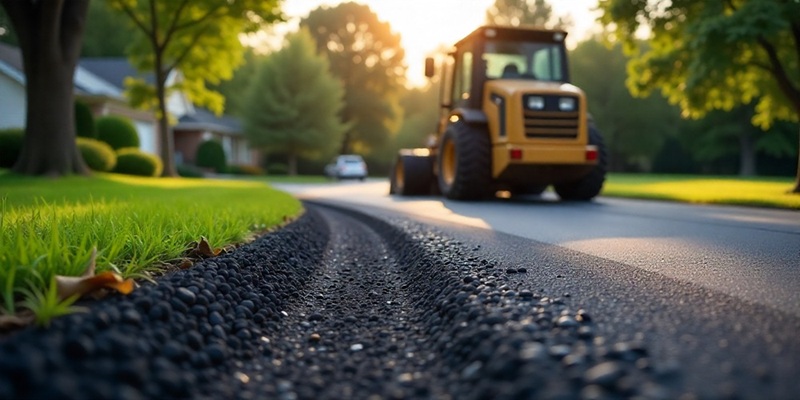
For most residential projects, driveway construction generally takes 3 to 7 days, depending on the driveway type and complexity. Larger or custom projects may take 10–14 days.
Let’s break down the timeline step-by-step so you know what to expect.
Step 1: Site Assessment and Planning (1 Day)
Every successful driveway begins with a professional assessment. This stage includes:
- Measuring the area
- Evaluating soil condition
- Checking drainage requirements
- Reviewing existing damage
- Discussing design options
At this point, homeowners can also choose aesthetic elements to complement their driveway—such as edging stones, decorative pavers, or even landscaping concepts inspired by popular styles like How to Install Artificial Grass Strips Between Pavers, especially if they want matching walkways or patio features.
The planning stage is usually completed within one day unless the driveway requires engineering adjustments for slopes or water flow.
Step 2: Demolition or Removal of Old Driveway (1–2 Days)
If an old driveway exists, it must be removed before construction can begin. Removal times depend on:
- Driveway size
- Material thickness
- Equipment access
- Waste disposal requirements
Asphalt driveways are typically removed faster than heavy concrete. On average:
- Small driveways: 4–8 hours
- Medium-size driveways: 1 full day
- Large or damaged driveways: 1–2 days
After removal, the team prepares the ground for excavation.
Step 3: Excavation and Grading (1–2 Days)
Excavation is when the true groundwork begins. The soil must be dug to the correct depth, and proper grading ensures water drains away from the property—not toward your home or garage.
This step determines your driveway’s durability and typically takes 1–2 days depending on:
- Soil type
- Ground slope
- Required depth
- Subgrade stability
Weather also affects progress; wet soil delays excavation because it cannot be compacted correctly.
Step 4: Installing the Driveway Base (1–2 Days)
A strong base is the heart of a long-lasting driveway. The base, usually made of crushed stone or gravel, provides drainage and stability.
This phase includes:
- Adding layers of crushed rock
- Spreading the layers evenly
- Compacting using professional machinery
- Smoothing and leveling the surface
Depending on driveway size and weather conditions, this step takes about 1–2 days.
If you’re planning decorative features—like borders, stamped patterns, or landscape additions—this is the stage where preparation begins.
Step 5: Driveway Surface Installation (1–2 Days)
This is the most important and visible step of the entire project. The installation time depends on the driveway material:
Asphalt Driveways
- Installation: 4–8 hours
- Can be driven on after: 24–48 hours
- Full curing: 30–90 days
Concrete Driveways
- Installation: 1 full day
- Can be walked on after: 24–48 hours
- Can be driven on after: 4–7 days
- Full curing: 28 days
Paver Driveways
- Installation: 2–3 days
- Immediate use after installation
- Requires precise interlocking and edging
Paver driveways offer the most design flexibility and match well with modern landscaping techniques. Many homeowners even use similar styles to match garden walkways or create transition areas where they might later explore ideas such as How to Install Artificial Grass Strips Between Pavers.
Step 6: Finishing Touches and Cleanup (1 Day)
Once the surface is installed, the team will:
- Remove debris
- Clean the site
- Install borders, aprons, or decorative edges
- Seal the driveway if needed (usually after a curing period for asphalt and concrete)
This step typically takes about one day.
Total Estimated Time: 3–7 Days
(With larger or custom designs taking 7–14 days)
What Can Affect the Driveway Construction Timeline?
Driveway projects vary widely. While a typical installation stays within a week, several factors influence the schedule:
1. Weather Conditions
Rain, extreme cold, or high heat can delay excavation, base installation, or surface curing. Weather is one of the biggest scheduling factors.
2. Size of the Driveway
Larger driveways naturally require more excavation, more materials, and more time.
3. Type of Driveway Material
Different materials have different installation and curing requirements.
4. Ground and Soil Conditions
Clay-heavy soil, soft ground, or uneven terrain may require additional preparation.
5. Design Complexity
Adding curves, decorative borders, stamped patterns, additional walkways, or custom layouts increases the time needed.
6. Additional Landscaping Work
Some homeowners choose to upgrade surrounding areas at the same time.
Popular add-ons—like stone borders, patio extensions, staircases, or modern touches inspired by things like How to Install Artificial Grass Strips Between Pavers—may increase project time but dramatically enhance overall appearance.
How Homeowners Can Prepare for a Faster Installation
To avoid delays, you can prepare by:
- Clearing vehicles and outdoor furniture
- Ensuring workers have access to the full area
- Confirming design decisions early
- Letting neighbors know about construction noise
- Planning temporary parking arrangements
A well-prepared site helps speed up the project from the start.
Why Quality Matters More Than Speed
Many homeowners want their driveway finished as quickly as possible—but speed should never compromise quality. A poorly installed driveway can develop:
- Cracks
- Drainage issues
- Potholes
- Uneven settlement
- Surface deterioration
Working with an experienced, trusted contractor ensures your driveway is built correctly the first time.
At Commonwealth Paving, we follow industry-leading methods to create long-lasting driveways that withstand heavy use, weather changes, and daily wear. Our team ensures every layer—from the subbase to the finishing touches—is done with precision.
Why Homeowners Choose Commonwealth Paving
Choosing the right paving contractor is essential for the success and longevity of your driveway. At Commonwealth Paving, we bring years of experience, modern equipment, and a customer-first approach to every project.
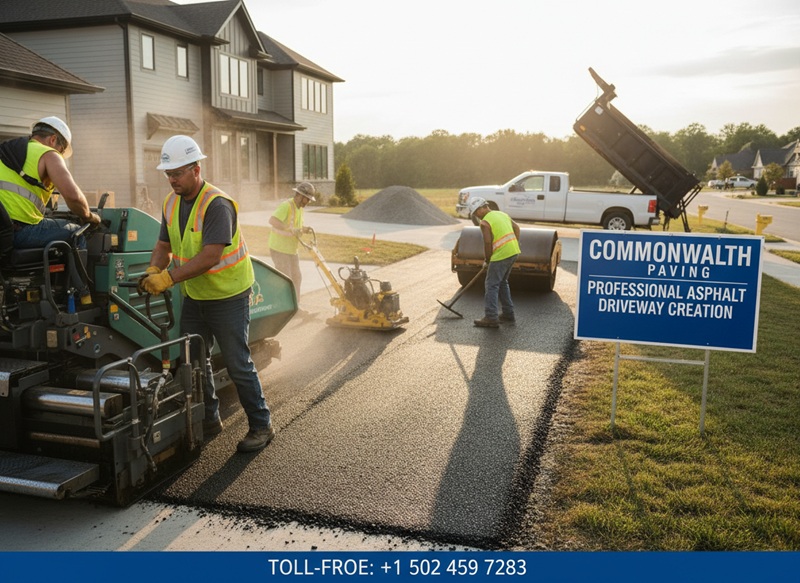
Here’s what sets us apart:
- High-quality materials
- Expert craftsmanship
- Clear timelines and communication
- Strong focus on drainage and durability
- Fair pricing and transparent estimates
- Professional guidance from start to finish
Our office address is:
Commonwealth Paving
136 Outer Loop, Louisville, Kentucky 40214
For questions, estimates, or project planning:
Call us at +1 502 459 7283
So, how long does it take to build a driveway? Most residential driveways take 3 to 7 days, depending on materials, design, and weather. Larger or more complex projects may take longer, but the investment is worth the time. A properly built driveway not only boosts curb appeal but also elevates the overall value of your property.
Planning ahead, understanding the timeline, and working with professionals can ensure a smooth, stress-free experience. Whether you’re building a brand-new driveway or upgrading an older one, a well-crafted surface enhances your home for decades.
If you’re also considering modern landscape additions—such as stylish elements inspired by How to Install Artificial Grass Strips Between Pavers—the timing of your driveway project is the perfect opportunity to create a cohesive outdoor design.
For expert driveway construction and personalized guidance, contact Commonwealth Paving at +1 502 459 7283. Our team is ready to help you build a driveway that combines durability, beauty, and long-lasting value.
How Long Does It Take to Build a Driveway? Professional vs. DIY Timeframes
Building a new driveway is one of the most valuable upgrades you can make to your property. It enhances curb appeal, improves convenience, and adds long-term durability to your outdoor space. But for most homeowners, one question always comes first: How long does it take to build a driveway?
The answer depends on many factors—including the method of construction. Some homeowners consider taking the DIY route to save money, while others prefer hiring professionals for guaranteed quality and efficiency. This article compares professional vs. DIY timeframes in detail, explains what actually affects the construction timeline, and provides valuable insights so you can plan your project effectively.
Even if you’re simply researching driveway construction today, this guide will give you clarity on what to expect. And if you eventually want expert assistance, the experienced team at Commonwealth Paving, located at 136 Outer Loop, Louisville, Kentucky 40214, is always here to help. You can contact us anytime at +1 502 459 7283.
Throughout this article, we’ll also touch on modern design trends like How to Install Artificial Grass Strips Between Pavers, which many homeowners incorporate into walkways and patio areas around their driveway projects to achieve a clean, modern, and cohesive look.
Why the Driveway Timeline Matters
Your driveway is more than just a place to park your vehicle. It’s a functional, visual, and structural component of your home. The time it takes to build a driveway affects:
- Your daily parking needs
- Construction costs
- Scheduling around weather
- Project planning
- Landscaping and finishing
When comparing professional and DIY timelines, these factors change significantly. Professionals typically have the equipment, expertise, and experience to complete jobs faster while ensuring long-term durability. DIY projects take longer, arrive with more steps, and introduce more risk, but some homeowners enjoy the challenge.
Let’s explore the full breakdown.
Professional Driveway Construction Timeline
When you hire experts like Commonwealth Paving, the construction timeline is structured, predictable, and carefully managed. On average, professionals take 3 to 7 days to build a standard residential driveway, but detailed steps ensure that quality is never compromised.
Below is a deeper look at the professional process.
1. Site Evaluation and Planning – 1 Day
Professional contractors begin with:
- Measuring the driveway area
- Assessing soil and drainage
- Discussing layout and design
- Identifying access points
- Evaluating old material removal
This is also when homeowners can choose add-ons like borders, decorative entrances, or modern upgrades inspired by trends such as How to Install Artificial Grass Strips Between Pavers, especially if they want their driveway to coordinate with walkways or patios.
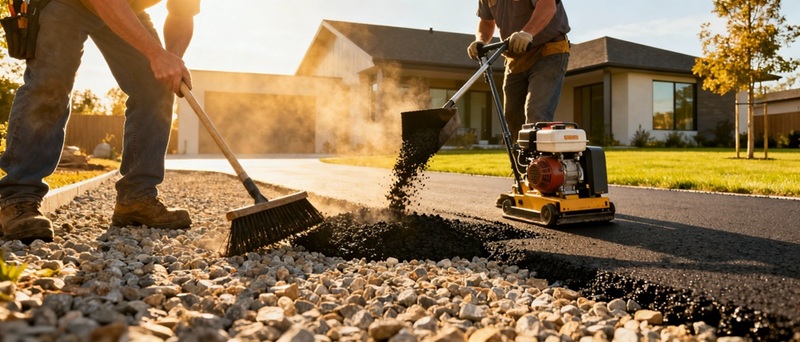
Planning normally takes one day unless engineering adjustments are needed.
2. Removal of Existing Driveway (If Needed) – 1 to 2 Days
If you have an older driveway, professionals must remove it. The demolition speed depends on:
- Material type
- Thickness
- Size
- Condition
With the right machinery, asphalt and concrete can be removed quickly—usually in 1 full day for medium-sized residential driveways.
3. Excavation and Grading – 1 to 2 Days
This step is essential for drainage and long-lasting stability. Professionals dig to the correct depth and shape the ground to create an even, compact, and properly sloped foundation.
It typically takes:
- 1 day for accessible areas with stable soil
- 2 days if the terrain is uneven or requires extra leveling
4. Installing the Base Layer – 1 to 2 Days
A strong base of crushed stone provides drainage and structural integrity. Professionals spread and compact several layers to ensure the driveway surface remains stable over time.
This step includes:
- Filling the area with aggregate
- Compacting using industrial machinery
- Leveling the base perfectly
This takes around 1–2 days depending on driveway size.
5. Installing the Driveway Surface – 1 to 2 Days
Once the base is solid, the surface material is installed. Timing depends on the material:
Asphalt Driveways
- Install in 4–8 hours
- Driveable within 24–48 hours
- Fully cured in 30–90 days
Concrete Driveways
- Install in 1 day
- Walkable in 24–48 hours
- Driveable in 4–7 days
- Full cure in 28 days
Paver Driveways
- Install in 2–3 days
- Can be used immediately after installation
Paver driveways pair nicely with decorative patterns or landscaping designs similar to the trendy style seen in guides such as How to Install Artificial Grass Strips Between Pavers.
6. Finishing, Cleanup, and Inspection – 1 Day
Professionals handle the final touches, such as:
- Edging
- Site cleanup
- Surface finishing
- Sealant recommendations
- Final inspection
Total professional timeframe: 3–7 days for most driveways.
DIY Driveway Construction Timeline
While some homeowners attempt building their own driveway, the DIY timeframe is significantly longer—usually 10 to 21 days or more. This is because DIY work includes:
- Renting equipment
- Trial-and-error excavation
- Manually compacting surfaces
- Learning installation techniques
- Working without a team
- Managing drainage challenges
- Handling material deliveries
Let’s break down the average DIY timeline.
1. Planning and Research – 2 to 4 Days
DIY homeowners must:
- Study driveway standards
- Research base material depths
- Learn slope calculations
- Watch tutorials
- Compare tools and equipment rentals
Even those familiar with construction often underestimate how much planning a driveway requires.
2. Old Driveway Removal – 2 to 5 Days
Renting a mini-excavator, arranging dumpsters, and manually breaking hardened concrete takes time. DIY removal is usually much slower due to:
- Smaller tools
- Limited experience
- Inexperience with heavy machinery
- Physical fatigue
3. Excavation and Grading – 2 to 4 Days
Creating a proper slope for drainage is the hardest part of DIY driveway building. Without professional equipment, excavation takes longer and requires trial and correction.
Incorrect grading may lead to:
- Water pooling
- Foundation erosion
- Driveway sinking
4. Base Installation – 3 to 5 Days
Professionals use plate compactors and heavy rollers, which compress the base perfectly. DIY builders often use rental tools that are less effective or slower.
Common DIY challenges include:
- Uneven compaction
- Incorrect gravel depth
- Poor leveling
These issues directly shorten driveway lifespan.
5. Surface Installation – 2 to 3 Days (Asphalt/Pavers), 3 to 5 Days (Concrete)
Installing the top surface is hardest without professional training.
DIY Asphalt
- Requires a team
- Hard to spread evenly
- Time-sensitive cooling
- Often results in uneven patches
DIY Concrete
- Must be mixed in batches
- Difficult to pour large areas
- Requires professional finishing tools
DIY Pavers
- Requires perfect leveling
- Consumes significant time due to manual labor
6. Cleanup and Edging – 1 to 2 Days
DIY builders also need time for:
- Waste removal
- Edge finishing
- Extra leveling
- Fixing mistakes
DIY Total Time: 10–21 Days or More
For large or complex driveways, DIY installation can extend beyond a month.
Professional vs. DIY: Which Is Faster and Better?
Time is only one part of the equation. While professionals finish faster, they also deliver:
- Better compaction
- Perfect slope
- Long-lasting materials
- High-quality machinery
- Safer construction
- Reliable drainage
DIY projects may save money initially but often require repairs or early replacement—making them more expensive in the long run.
Homeowners who enjoy DIY projects may prefer building small walkways or garden paths, including upgrades inspired by How to Install Artificial Grass Strips Between Pavers. But for driveway construction—where structural integrity matters—professional installation is almost always the smarter choice.
Factors That Affect Both Professional and DIY Timeframes
While professional installations are faster, certain factors can extend timelines for both methods:
- Weather delays
- Soil condition
- Difficulty of access
- Unexpected underground obstacles
- Permit delays
- Custom designs, curves, or extensions
However, professionals can troubleshoot these issues much quicker and more efficiently.
Why Commonwealth Paving Is the Right Choice for Your Driveway
At Commonwealth Paving, we combine years of experience with advanced equipment and proven techniques to deliver driveways built for durability, beauty, and long-term functionality. Our team ensures your project stays on schedule without compromising quality.
Homeowners trust us because we provide:
- Accurate timelines
- Transparent pricing
- High-quality materials
- Professional site preparation
- Expert installations
- Long-lasting results
For driveway installation, repairs, or upgrades, visit us at:
Commonwealth Paving
136 Outer Loop, Louisville, Kentucky 40214
Or call now: +1 502 459 7283
Final Thoughts
So, how long does it take to build a driveway?
- Professionals: 3–7 days
- DIY builders: 10–21 days or longer
The differences are significant—and they matter. Driveway construction demands precision, proper equipment, drainage expertise, and durable materials. While DIY projects may offer personal satisfaction, professional installation ensures safety, accuracy, and lasting quality.
Whether you’re planning a basic asphalt driveway or a custom design that complements modern landscaping trends—such as the clean look seen in tutorials about How to Install Artificial Grass Strips Between Pavers—timing, technique, and experience will shape your results.
If you want a driveway built efficiently, correctly, and beautifully, the experts at Commonwealth Paving are ready to help. Reach out to our team at +1 502 459 7283 for guidance, estimates, or scheduling.
Address
Commonwealth Paving, 136 Outerloop, Louisville, Kentucky 40214
Phone: 502-459-7283, Fax: 502-456-2678
Opening Hours
| Monday | 9:00 AM – 5:00 PM |
| Tuesday | 9:00 AM – 5:00 PM |
| Wednesday | 9:00 AM – 5:00 PM |
| Thursday | 9:00 AM – 5:00 PM |
| Friday | 9:00 AM – 5:00 PM |
| Saturday | Closed |
| Sunday | Closed |