
How Long Does It Take to Build a Driveway? Weather, Materials & Prep Time Explained
One of the first questions homeowners ask before starting a driveway project is simple but important: how long does it take to build a driveway? Whether you’re planning a brand-new installation or replacing an old surface, understanding the timeline helps you prepare your schedule, budget, and expectations.
The truth is that driveway construction is not a one-size-fits-all process. Several factors influence how long the job takes, including weather conditions, material selection, site preparation, and curing time. In this detailed guide, we’ll break down each stage of the process and explain what homeowners should realistically expect from start to finish.
If you’re located in or around Louisville, Kentucky, Commonwealth Paving, based at 136 Outer Loop, Louisville, Kentucky 40214, has extensive experience helping homeowners plan driveway projects with clear timelines and dependable results. You can reach them directly at +1 502 459 7283 for expert guidance.
Understanding the Big Picture: Why Driveway Timelines Vary
When asking how long it take to build a driveway, many homeowners expect a single, straightforward answer. In reality, driveway construction involves multiple phases, each with its own time requirements. Even a relatively simple project can be delayed if one element is overlooked or rushed.
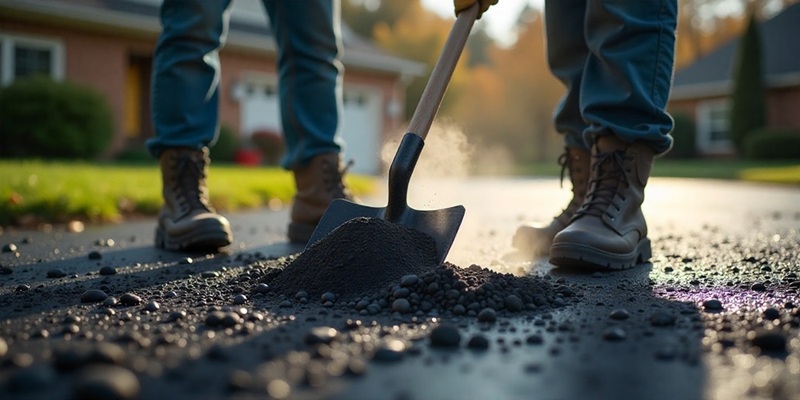
The main phases include site evaluation, excavation, base preparation, material installation, and curing. Each of these steps plays a critical role in ensuring the driveway lasts for years without cracking, sinking, or drainage issues.
Skipping or rushing any stage may shorten the construction timeline, but it often leads to costly repairs later. A well-planned driveway project balances speed with quality.
Initial Planning and Site Evaluation
During planning, professionals assess the slope of the land, drainage patterns, soil conditions, and driveway size. They also consider how the driveway will connect to the road and how much daily traffic it will handle.
This evaluation typically takes one to two days, depending on the complexity of the property. While homeowners may be eager to move forward quickly, proper planning prevents delays later in the project.
The Role of Site Preparation in the Timeline
Site preparation is one of the most time-consuming and important stages of driveway construction. It involves removing old materials, excavating soil, and preparing the ground for a stable base.
If the existing driveway must be removed, this process alone can take one to two days. Excavation time varies depending on soil type, slope, and the presence of tree roots or underground obstacles.
Proper site preparation directly impacts how long does it take to build a driveway because unexpected ground conditions can add time. Clay soil, poor drainage, or uneven terrain may require additional grading or reinforcement before construction continues.
How Material Choice Affects Construction Time
The type of driveway material you choose plays a major role in determining the overall timeline. Each material has different installation and curing requirements.
Asphalt driveways are often quicker to install because the material is laid hot and sets relatively fast. In many cases, the surface can be driven on within 24 to 48 hours, although full curing takes longer.
Concrete driveways generally require more time. While the pouring process itself may only take a day, concrete needs several days to cure before it can handle vehicle traffic safely.
Paver driveways involve individual units placed by hand, which makes installation more time-intensive. However, they typically require less curing time once installed.
Material selection alone can change the answer to how long does it take to build a driveway by several days or even weeks.
Base Installation: A Crucial Step That Takes Time
Once excavation is complete, the base layer must be installed and compacted. This step often takes one to two days, depending on driveway size and soil conditions.
The base is usually made of crushed stone or gravel and must be compacted in layers to prevent future settling. Rushing this step can cause cracks, potholes, or uneven surfaces down the line.
Although homeowners may not see immediate visual progress during base installation, this phase is critical for long-term durability. A strong base often determines whether a driveway lasts 10 years or 30 years.
Weather Conditions and Their Impact on Driveway Timelines
Weather is one of the most unpredictable factors affecting how long does it take to build a driveway. Rain, extreme heat, freezing temperatures, and high humidity can all delay construction.
Rain can soften soil, making excavation and base compaction difficult. Excess moisture may also interfere with asphalt or concrete installation.
Cold temperatures can prevent materials from curing properly, while extreme heat may cause asphalt to cool too quickly or concrete to dry unevenly.
Because of these factors, experienced contractors monitor forecasts closely and schedule work during favorable conditions. While weather delays can be frustrating, they often prevent future damage and ensure better long-term results.
Installation Phase: What Happens on Construction Day
The actual installation phase is the most visible part of the project. This is when homeowners often feel the excitement of seeing their driveway take shape.
For asphalt driveways, installation usually takes one day once the base is ready. The material is delivered hot, spread evenly, and compacted using heavy rollers.
Concrete installation also typically takes one day, though the setup and finishing process may extend into a second day depending on design complexity.
This phase may feel fast compared to earlier steps, but it’s important to remember that curing time still lies ahead.
Curing Time: The Hidden Part of the Timeline
Curing is often overlooked when homeowners ask how long does it take to build a driveway, but it’s one of the most important stages.
Asphalt driveways can usually be driven on within one to two days, but full curing may take several weeks. During this time, homeowners should avoid parking heavy vehicles in the same spot repeatedly.
Concrete driveways typically require at least seven days before supporting vehicle traffic, with full curing taking up to 28 days.
Although the driveway may look finished, respecting curing guidelines prevents surface damage and extends the life of the installation.
How Long Does It Take to Build a Driveway Overall?
When all phases are considered, the average driveway project usually takes between one and three weeks from start to finish. This includes planning, preparation, installation, and initial curing time.
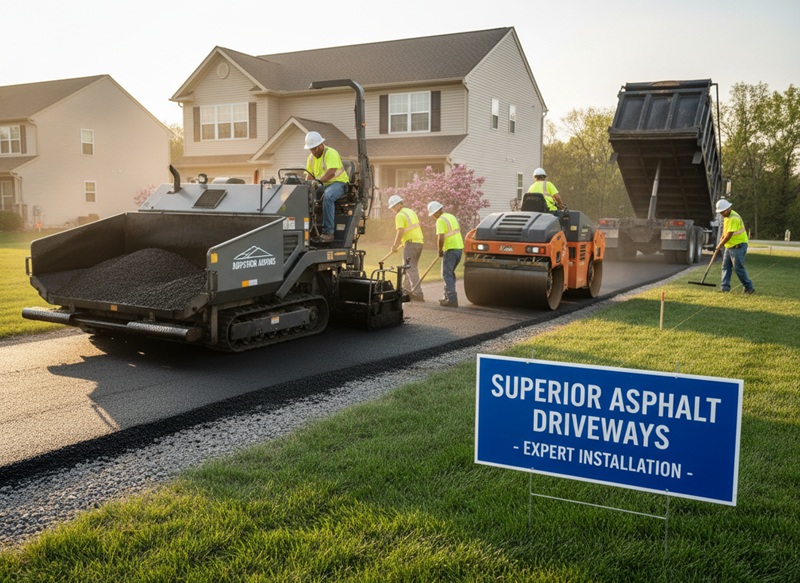
Smaller projects with favorable conditions may be completed more quickly, while complex installations or weather delays can extend the timeline.
Understanding how long does it take to build a driveway helps homeowners plan around access restrictions, parking needs, and daily routines during construction.
Why Experience Makes a Difference in Timelines
Experienced contractors know how to anticipate challenges, manage weather risks, and keep projects moving efficiently. They understand how to coordinate each phase without sacrificing quality.
Commonwealth Paving has built a strong reputation for delivering reliable driveway solutions while maintaining realistic timelines. Their team focuses on preparation, precision, and communication—key elements in completing projects efficiently without cutting corners.
Located at 136 Outer Loop, Louisville, Kentucky 40214, Commonwealth Paving provides dependable service tailored to local conditions. Homeowners can speak directly with their team by calling +1 502 459 7283.
How Homeowners Can Help Keep Projects on Schedule
While professionals handle the construction, homeowners also play a role in keeping projects on track. Clearing vehicles from the work area, ensuring access for equipment, and understanding curing restrictions all help avoid delays.
Being flexible with scheduling—especially when weather is involved—can also make a significant difference in how smoothly the project progresses.
When homeowners and contractors work together, driveway construction becomes far less stressful and far more predictable.
So, how long does it take to build a driveway? The answer depends on weather, materials, preparation, and curing time. While installation itself may take only a day or two, the entire process often spans one to three weeks to ensure durability and long-term performance.
Understanding each stage allows homeowners to plan confidently and avoid unrealistic expectations. A well-built driveway isn’t rushed—it’s carefully prepared, professionally installed, and given time to cure properly.
If you’re considering a driveway project and want clear timelines, expert craftsmanship, and dependable results, Commonwealth Paving is a trusted choice in Louisville, Kentucky. Contact them at +1 502 459 7283 or visit 136 Outer Loop, Louisville, Kentucky 40214 to discuss your project and get started with confidence
How Long Does It Take to Build a Driveway? Fastest Methods in 2025
When homeowners plan a new driveway, one question almost always comes first: how long does it take to build a driveway? In 2025, advancements in materials, equipment, and installation techniques have made driveway construction faster and more efficient than ever before. Still, timelines vary depending on the method chosen, site conditions, and preparation work involved.
In this guide, we’ll break down how long driveway construction really takes today, explore the fastest driveway-building methods available in 2025, and explain what homeowners can do to speed up the process without sacrificing quality. If you’re planning a driveway project in Louisville or the surrounding areas, Commonwealth Paving, located at 136 Outer Loop, Louisville, Kentucky 40214, offers expert solutions and clear timelines. You can speak directly with their team at +1 502 459 7283.
Why Homeowners Care About Speed More Than Ever
In 2025, speed matters. Homeowners want minimal disruption, faster project completion, and quicker access to their property. A long construction timeline can affect daily routines, parking availability, and even work schedules.
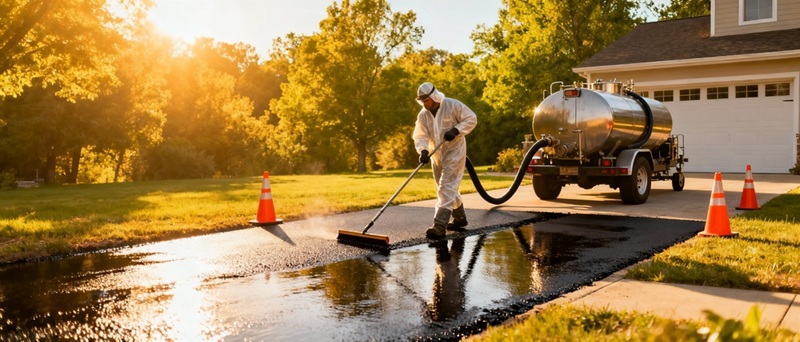
However, while speed is important, quality remains essential. A driveway that’s built too quickly without proper preparation can crack, settle, or fail prematurely. That’s why understanding how long does it take to build a driveway—and which methods truly save time—is so important.
The Average Driveway Timeline in 2025
For most residential projects, the total time to build a driveway ranges from a few days to a couple of weeks. This includes planning, excavation, base preparation, installation, and initial curing.
In ideal conditions, some modern methods allow driveways to be installed and ready for light use in as little as 24 to 72 hours. Other installations, especially those requiring extensive prep work, may take longer.
The key is knowing where time is spent and how faster methods reduce delays.
What Slows Down Driveway Construction?
Before looking at the fastest methods, it’s important to understand what usually causes delays. When homeowners ask how long does it take to build a driveway, the answer is often affected by these factors:
- Poor soil conditions require extra stabilization
- Removal of an existing driveway
- Drainage corrections or grading issues
- Weather interruptions
- Material curing times
Fast methods in 2025 are designed to minimize these issues—but they can’t eliminate them entirely. Preparation is still the foundation of speed.
Fastest Driveway Construction Methods in 2025
Technology and improved workflows have significantly reduced installation times. Here’s how modern approaches are speeding things up.
Asphalt Driveways: Still One of the Fastest Options
Asphalt remains one of the quickest driveway materials available in 2025. Once the base is prepared, asphalt can often be laid in a single day.
The real advantage of asphalt is how quickly it becomes usable. In many cases, homeowners can walk on the surface the same day and drive on it within 24 to 48 hours.
When clients ask how long does it take to build a driveway using asphalt, the answer is often less than a week from start to finish—assuming weather and site conditions cooperate.
Advanced Base Preparation Techniques
One of the biggest improvements in 2025 is faster and more efficient base preparation. Modern compaction equipment and better aggregate materials allow crews to achieve a solid base in fewer passes.
A well-prepared base used to takes several days on larger projects. Today, experienced teams can often complete excavation and base installation in one to two days, significantly reducing the overall timeline.
This improvement alone has shortened driveway construction times across the board.
Concrete Driveways with Accelerated Curing
Concrete traditionally takes longer due to curing requirements, but 2025 has introduced faster-setting concrete mixes designed for residential use.
These mixes allow for earlier finishing and quicker strength development. While full curing still takes time, homeowners can often use their driveway sooner than in the past.
So when asking how long does it take to build a driveway with concrete in 2025, the timeline is noticeably shorter than it was a decade ago—though still longer than asphalt in most cases.
Streamlined Project Scheduling
Another factor speeding up driveway construction is improved scheduling and coordination. Modern project planning ensures materials arrive on time, equipment is ready, and crews move efficiently from one phase to the next.
Delays caused by waiting for deliveries or rescheduling labor are far less common in 2025, especially with experienced paving teams.
Weather Still Matters—But Less Than Before
Weather remains a factor in driveway construction, but improved materials and planning have reduced its impact. Asphalt and concrete can now tolerate a wider range of temperatures during installation, allowing projects to move forward more consistently.
That said, heavy rain or extreme temperature swings can still affect timelines. Even the fastest methods require proper conditions to ensure quality results.
When evaluating how long does it take to build a driveway, weather is always part of the equation—but it’s less unpredictable than it once was.
Fast Doesn’t Mean Rushed: Why Prep Still Takes Time
Some homeowners assume faster methods mean skipping steps. That’s not the case. The fastest driveway installations in 2025 are fast because they’re efficient, not because they cut corners.
Excavation, grading, and base compaction still require careful attention. These steps ensure proper drainage, load support, and long-term durability.
A driveway that’s built quickly but without proper prep may look good initially—but problems often appear within a few years.
How Long Does It Take to Build a Driveway from Start to Finish in 2025?
In ideal conditions, many modern driveway projects can follow this general timeline:
- Planning and evaluation: 1–2 days
- Excavation and base prep: 1–3 days
- Material installation: 1 day
- Initial curing and access: 1–2 days
This means some driveways can be completed and usable in under a week. Larger or more complex projects may still take longer, but modern methods have significantly reduced total build time.
Why Experience Is Critical for Fast Results
The fastest driveway methods only work when executed by skilled professionals. Proper sequencing, equipment handling, and material application all require experience.
Commonwealth Paving brings that experience to every project. Their team understands how to balance speed with precision, ensuring driveways are built efficiently without compromising quality.
Located at 136 Outer Loop, Louisville, Kentucky 40214, Commonwealth Paving serves homeowners who want dependable timelines and lasting results. To discuss your project and get a clear estimate of how long does it take to build a driveway for your specific property, call +1 502 459 7283.
How Homeowners Can Help Speed Up the Process
Homeowners also play a role in keeping projects on schedule. Clearing the work area, removing vehicles, and allowing easy access for equipment can save valuable time.
Making material decisions early and being flexible with scheduling—especially around weather—also helps ensure faster completion.
Clear communication between the homeowner and contractor is often the difference between a smooth, fast project and one that feels delayed.
Is the Fastest Method Always the Best Choice?
Not always. While speed is appealing, the best driveway method depends on usage, budget, and long-term goals. A driveway designed for heavy use may require more preparation, even if it adds a little time.
The key is choosing a method that balances speed, durability, and appearance. In many cases, slightly longer construction results in a driveway that lasts significantly longer.
Understanding how long does it take to build a driveway helps homeowners make informed decisions rather than rushing into choices they may regret.
So, how long does it take to build a driveway in 2025? Thanks to improved materials, modern equipment, and streamlined workflows, many driveways can now be built faster than ever—sometimes in just a few days. Asphalt installations remain among the quickest, while concrete and other materials have also benefited from faster methods.
However, speed should never replace proper preparation and professional expertise. The best results come from a balanced approach that prioritizes efficiency, quality, and long-term performance.
If you’re planning a driveway project and want clear timelines, expert workmanship, and reliable results, Commonwealth Paving is ready to help. Contact them at +1 502 459 7283 or visit 136 Outer Loop, Louisville, Kentucky 40214 to start your project with confidence.
Address
Commonwealth Paving, 136 Outerloop, Louisville, Kentucky 40214
Phone: 502-459-7283, Fax: 502-456-2678
Opening Hours
| Monday | 9:00 AM – 5:00 PM |
| Tuesday | 9:00 AM – 5:00 PM |
| Wednesday | 9:00 AM – 5:00 PM |
| Thursday | 9:00 AM – 5:00 PM |
| Friday | 9:00 AM – 5:00 PM |
| Saturday | Closed |
| Sunday | Closed |