
How Long Does It Take to Pave a Concrete Driveway? Fastest Methods for 2025
Concrete driveways continue to be a popular choice for homeowners who want strength, longevity, and a clean, modern appearance. As we move into 2025, more property owners are asking one important question before committing to a project: How Long Does It Take to Pave a Concrete Driveway?
Time matters. Whether you are planning around work schedules, parking needs, or weather windows, understanding the true timeline of a concrete driveway installation can help you avoid frustration and costly delays. While concrete is known for durability, it does require patience and proper planning to achieve long-lasting results.
In this guide, we break down the full concrete driveway paving process, explain what affects installation time, and highlight the fastest professional methods used in 2025. For homeowners in Louisville, Kentucky, Commonwealth Paving, located at 136 Outer Loop, Louisville, Kentucky 40214, provides expert concrete driveway solutions backed by experience and precision. To speak with their team, call +1 502 459 7283.
Why Concrete Driveways Take More Time Than Expected
When homeowners ask How Long Does It Take to Pave a Concrete Driveway, many assume the process is similar to asphalt. In reality, concrete installation involves more steps and a longer curing period.
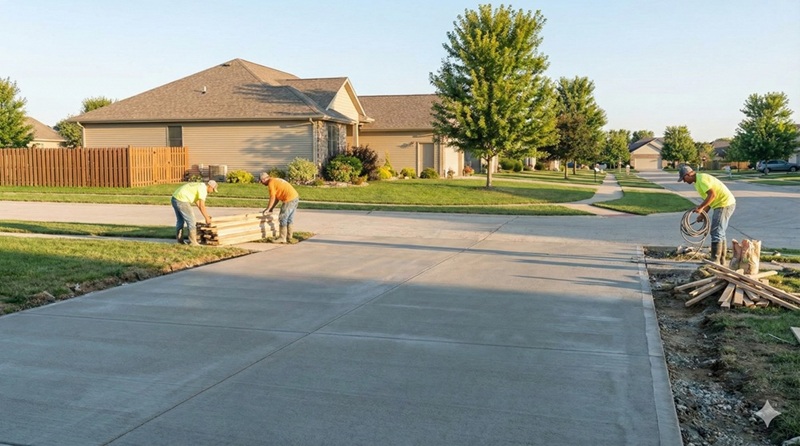
Concrete must be carefully mixed, poured, leveled, and finished before it can safely support vehicles. While the active construction phase may only take a few days, curing continues long after the crew leaves the site. This combination of labor and curing is what extends the overall timeline.
The Full Concrete Driveway Installation Timeline
To understand the total duration, it’s important to look at each phase of the process. Every step plays a role in durability, appearance, and long-term performance.
Planning, Measurements, and Scheduling
The first phase involves site evaluation, measurements, and scheduling. This includes assessing soil conditions, driveway slope, drainage needs, and access points.
This stage typically takes one to two days. While it doesn’t involve physical construction, it directly impacts How Long Does It Take to Pave a Concrete Driveway because proper planning prevents delays once work begins.
Professional planning ensures materials, labor, and equipment arrive at the right time.
Removing an Existing Driveway
If an old driveway needs to be removed, this adds time to the project. Concrete removal is labor-intensive and requires heavy equipment to break and haul away material.
For most residential properties, removal takes one to two days. If the existing surface is thick or reinforced, removal may take slightly longer. Sites without an existing driveway can skip this phase, significantly reducing the overall timeline.
Excavation and Base Preparation
Excavation is one of the most critical stages of concrete driveway installation. The ground must be excavated to the proper depth and graded to allow water drainage.
A strong gravel base is then installed and compacted to support the concrete slab. This step usually takes one to two days, depending on soil conditions and driveway size.
Rushing base preparation may shorten the timeline temporarily, but it almost always leads to cracking or settling later.
Formwork and Reinforcement
Once the base is ready, wooden or metal forms are installed to shape the driveway. Reinforcement such as steel rebar or wire mesh is placed to strengthen the concrete.
This phase usually takes one day. Proper reinforcement plays a major role in preventing cracks and extending the life of the driveway, making it a step that professionals never skip.
Concrete Pouring and Finishing
This is the most visible part of the process and often the day homeowners look forward to most. Concrete is poured, spread, leveled, and finished using professional tools to achieve a smooth surface.
For most residential driveways, pouring and finishing take one full day. Decorative finishes, slopes, or complex layouts may add time, but experienced crews keep the process efficient.
Although this step is fast, it does not mean the driveway is ready for immediate use.
Initial Setting and Protection Period
After pouring, the concrete begins to set within hours. During this time, the surface must be protected from foot traffic, pets, rain, and debris.
Light foot traffic is typically allowed after 24 to 48 hours. However, vehicle traffic must wait longer. This protection period is essential to avoid surface damage.
This stage is often misunderstood when people ask How Long Does It Take to Pave a Concrete Driveway, because installation may look complete while curing has just begun.
Concrete Curing Time: The Biggest Factor
Concrete curing is the longest phase of the process. While the surface may appear hard, internal curing continues as moisture evaporates and the slab gains strength.
Most professionals recommend waiting at least seven days before driving on a new concrete driveway. Full curing can take up to 28 days, during which the concrete reaches maximum strength.
This extended curing time is why concrete projects require more patience than other paving options.
Total Timeframe: What to Expect in 2025
When all stages are combined, the total timeline for a concrete driveway installation typically ranges from five days to several weeks.
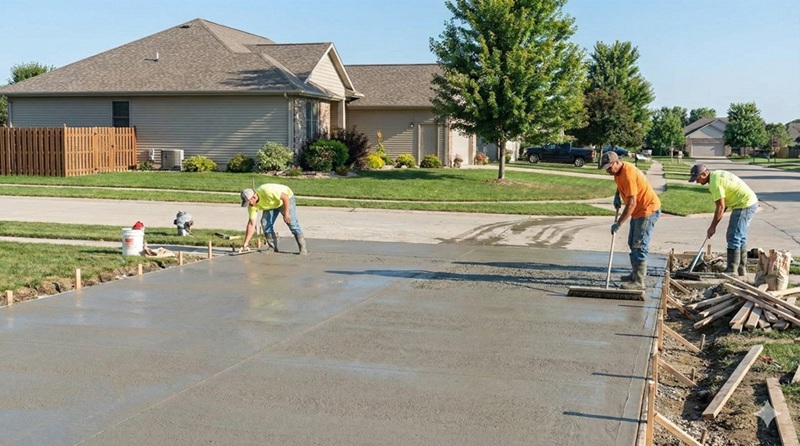
Active construction usually takes three to five days. The remaining time involves curing and controlled use. Weather, driveway size, and site conditions can all influence this schedule.
Understanding How Long Does It Take to Pave a Concrete Driveway helps homeowners set realistic expectations and plan parking arrangements accordingly.
Fastest Concrete Driveway Methods in 2025
Advancements in equipment, materials, and scheduling have helped reduce delays without compromising quality. Faster turnaround does not mean cutting corners—it means working smarter.
Modern concrete mixes designed for quicker setting can shorten waiting periods when used correctly. Improved compaction tools and finishing techniques also streamline installation.
Professional coordination ensures that excavation, pouring, and finishing happen seamlessly, minimizing downtime between stages.
How Weather Affects Concrete Driveway Timelines
Weather plays a major role in concrete paving. Ideal conditions include moderate temperatures and dry weather.
Rain can delay pouring or damage freshly finished surfaces. Extreme heat may cause concrete to dry too quickly, while cold temperatures slow curing and weaken the slab.
Experienced contractors monitor forecasts carefully and schedule pours during favorable windows to keep projects on track.
Why Professional Installation Matters More Than Speed
While faster methods exist, quality should never be sacrificed for speed. Concrete driveways are long-term investments, and mistakes made during installation can last for decades.
Commonwealth Paving focuses on balancing efficiency with precision, ensuring each driveway is built to withstand daily use and Kentucky weather conditions.
Located at 136 Outer Loop, Louisville, Kentucky 40214, Commonwealth Paving provides expert concrete paving services with clear timelines and dependable results. For project planning or scheduling, call +1 502 459 7283.
How Homeowners Can Help Avoid Delays
Homeowners play an important role in keeping projects on schedule. Clearing vehicles, providing site access, and making design decisions early can save valuable time.
Avoiding foot and vehicle traffic during curing is equally important. Respecting curing guidelines ensures the driveway reaches full strength without surface damage.
Good communication with the paving team helps align expectations and timelines.
Is Concrete Worth the Time Investment?
Although concrete takes longer to install than some other materials, many homeowners believe the wait is worth it. Concrete driveways offer long life, low maintenance, and a clean, professional appearance.
For homeowners who prioritize durability over speed, concrete remains an excellent choice in 2025.
Understanding How Long Does It Take to Pave a Concrete Driveway allows you to plan wisely and avoid surprises during installation.
So, How Long Does It Take to Pave a Concrete Driveway? The answer depends on preparation, weather, and curing requirements—but most projects involve a few days of construction followed by several weeks of curing.
Concrete driveways demand patience, but when installed correctly, they deliver decades of performance and value. With proper planning and professional execution, the process can be smooth and predictable.
If you are considering a concrete driveway and want expert guidance from start to finish, Commonwealth Paving is ready to help. Contact them at +1 502 459 7283 or visit 136 Outer Loop, Louisville, Kentucky 40214 to begin your project with confidence.
How Long Does It Take to Pave a Concrete Driveway? What Homeowners Should Expect
Planning a new concrete driveway is exciting, but it often comes with one big question that homeowners want answered upfront: How Long Does It Take to Pave a Concrete Driveway? Knowing the realistic timeline helps you prepare your schedule, manage parking arrangements, and avoid unnecessary stress during the project.
Concrete driveways are known for their durability, clean appearance, and long service life. However, unlike some paving options that offer quick turnaround times, concrete requires a careful, step-by-step process and adequate curing time. In 2025, modern techniques have improved efficiency, but patience is still essential for quality results.
For homeowners in Louisville, Kentucky, Commonwealth Paving, located at 136 Outer Loop, Louisville, Kentucky 40214, provides professional concrete driveway services with clear timelines and dependable workmanship. If you’re planning a project or need expert guidance, you can contact their team at +1 502 459 7283.
Why Timeline Matters When Installing a Concrete Driveway
Understanding How Long Does It Take to Pave a Concrete Driveway isn’t just about curiosity—it’s about planning. A driveway impacts daily life, from parking to home access. When homeowners underestimate the timeline, it can lead to inconvenience, rushed decisions, or improper use of the surface before it’s ready.
Concrete is not simply poured and driven on the next day. It requires preparation, precision, and time to reach its full strength. Each stage of the process plays a role in the driveway’s longevity, making it important to know what to expect from start to finish.
Initial Planning and Site Evaluation
Every concrete driveway project begins with proper planning. This includes measuring the area, evaluating soil conditions, checking drainage, and determining thickness requirements.
This stage usually takes one to two days but can vary depending on the complexity of the site. While it may seem minor, proper planning directly impacts How Long Does It Take to Pave a Concrete Driveway, because mistakes at this stage often cause delays later.
Professional evaluation ensures the driveway is designed correctly before construction begins.
Removing an Existing Driveway (If Applicable)
If an old concrete, asphalt, or gravel driveway needs to be removed, this adds time to the project. Removal involves breaking up the existing surface, hauling debris away, and preparing the ground for the new installation.
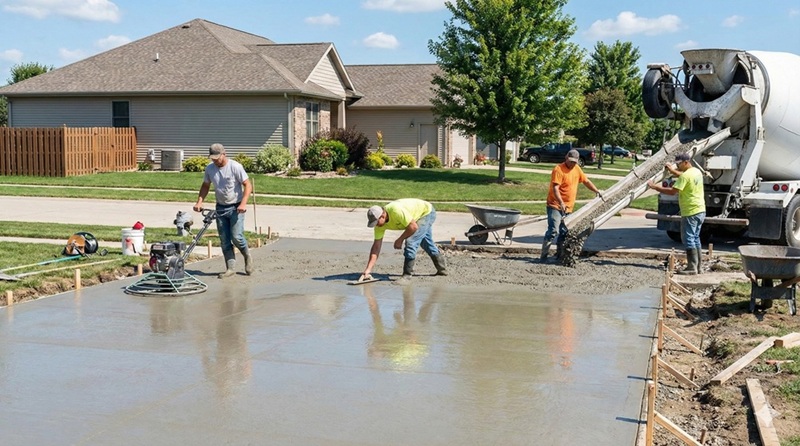
For most residential homes, removal takes one to two days. Heavily reinforced concrete or large driveways may require additional time. Homes without an existing driveway can skip this step, shortening the overall timeline.
Excavation and Ground Preparation
Once the site is cleared, excavation begins. The ground is dug to the proper depth to allow room for the concrete slab and its supporting base.
After excavation, a compacted gravel base is installed. This base provides stability, prevents shifting, and improves drainage. Base preparation typically takes one to two days and is one of the most critical steps in the process.
Skipping or rushing this stage may shorten the schedule temporarily, but it almost always leads to cracks and settling later.
Forming and Reinforcement Setup
After the base is prepared, forms are installed to shape the driveway. These forms ensure straight edges, proper slope, and correct thickness throughout the slab.
Reinforcement, such as steel rebar or wire mesh, is then placed inside the forms. Reinforcement strengthens the concrete and reduces the risk of cracking over time.
This phase usually takes one day and plays a significant role in determining the quality and durability of the finished driveway.
Concrete Pouring and Finishing
The pouring day is often the most anticipated part of the project. Fresh concrete is delivered, poured into the forms, leveled, and finished to achieve a smooth, uniform surface.
For most residential driveways, pouring and finishing can be completed in a single day. Decorative finishes, slopes, or complex layouts may require additional time, but experienced crews work efficiently to minimize delays.
Although the driveway may look complete at this stage, it is far from ready for full use.
Initial Setting and Surface Protection
After pouring, the concrete begins to set within hours. During this early stage, the surface is extremely vulnerable.
Foot traffic is usually restricted for at least 24 hours. During this time, the concrete must be protected from rain, debris, pets, and accidental damage. Proper protection ensures the surface cures evenly and maintains its appearance.
This phase is often overlooked when homeowners ask How Long Does It Take to Pave a Concrete Driveway, but it is crucial to the final outcome.
Concrete Curing: The Longest Phase
Curing is the most time-consuming part of the process. While the concrete may appear solid within a day or two, internal curing continues for weeks.
Most professionals recommend waiting at least seven days before driving on a new concrete driveway. Full curing typically takes up to 28 days, during which the concrete gradually gains strength.
Driving on the surface too early can cause cracks, surface marks, and long-term damage, making patience essential.
Total Timeline: What Homeowners Should Expect
So, How Long Does It Take to Pave a Concrete Driveway from start to finish?
In most cases, active construction takes three to five days. However, when curing time is included, the full process spans several weeks. Weather, driveway size, site conditions, and design complexity all influence the timeline.
While this may seem lengthy, the result is a driveway designed to last for decades.
How Weather Affects Concrete Driveway Installation
Weather is one of the biggest variables in concrete paving timelines. Ideal conditions include mild temperatures and dry weather.
Rain can delay pouring or damage freshly finished surfaces. Extremely hot weather can cause concrete to dry too quickly, while cold temperatures slow curing and reduce strength.
Experienced professionals monitor weather forecasts closely to schedule work during optimal conditions and avoid costly setbacks.
Why Professional Installation Makes a Difference
Concrete driveway installation requires experience, precision, and proper equipment. Attempting to rush the process or skip steps often leads to costly repairs down the road.
Commonwealth Paving understands that homeowners want efficient service without sacrificing quality. Their professional approach ensures each phase is completed correctly, helping projects stay on schedule while delivering long-lasting results.
Based at 136 Outer Loop, Louisville, Kentucky 40214, Commonwealth Paving provides dependable concrete paving solutions tailored to residential needs. To discuss your driveway project, call +1 502 459 7283.
How Homeowners Can Help Keep the Project on Schedule
Homeowners can play a role in avoiding delays by preparing the site in advance, clearing vehicles, and making design decisions early.
Once the concrete is poured, following usage restrictions is just as important. Avoiding foot and vehicle traffic during curing protects the surface and ensures the driveway reaches its full strength.
Clear communication with the paving team helps align expectations and prevent unnecessary delays.
Is the Time Investment Worth It?
Although concrete driveways take longer to install than some alternatives, many homeowners believe the wait is worth it. Concrete offers excellent durability, minimal maintenance, and a clean, timeless appearance.
Understanding How Long Does It Take to Pave a Concrete Driveway allows homeowners to plan properly and appreciate the craftsmanship behind the finished product.
Concrete driveway installation is not a one-day job, but it is a worthwhile investment when done correctly. From planning and preparation to curing and final use, every stage contributes to long-term performance.
So when asking How Long Does It Take to Pave a Concrete Driveway, the answer is clear: a few days of construction followed by several weeks of curing, all working together to create a strong, reliable surface.
For homeowners seeking professional results and clear timelines, Commonwealth Paving is a trusted choice. Contact them at +1 502 459 7283 or visit 136 Outer Loop, Louisville, Kentucky 40214 to begin your concrete driveway project with confidence.
Address
Commonwealth Paving, 136 Outerloop, Louisville, Kentucky 40214
Phone: 502-459-7283, Fax: 502-456-2678
Opening Hours
| Monday | 9:00 AM – 5:00 PM |
| Tuesday | 9:00 AM – 5:00 PM |
| Wednesday | 9:00 AM – 5:00 PM |
| Thursday | 9:00 AM – 5:00 PM |
| Friday | 9:00 AM – 5:00 PM |
| Saturday | Closed |
| Sunday | Closed |