
DIY vs Professional Pothole Repair: What Homeowners Should Know
Potholes are more than just an eyesore in your driveway or private road. They are a warning sign that your pavement is under stress and beginning to fail. For many homeowners, the first instinct is to fix the problem quickly with a DIY solution. Hardware stores offer cold patch products, and online videos make pothole repair look simple and inexpensive. On the other hand, professional services promise durability, proper repair, and long-term results—but often at a higher upfront cost.
So which option is right for you?
In Louisville, where weather conditions include hot summers, freezing winters, heavy rain, and repeated freeze–thaw cycles, potholes tend to return if they are not repaired correctly. Understanding the real difference between DIY and professional pothole repair can save homeowners time, money, and frustration in the long run.
Why Potholes Form in the First Place
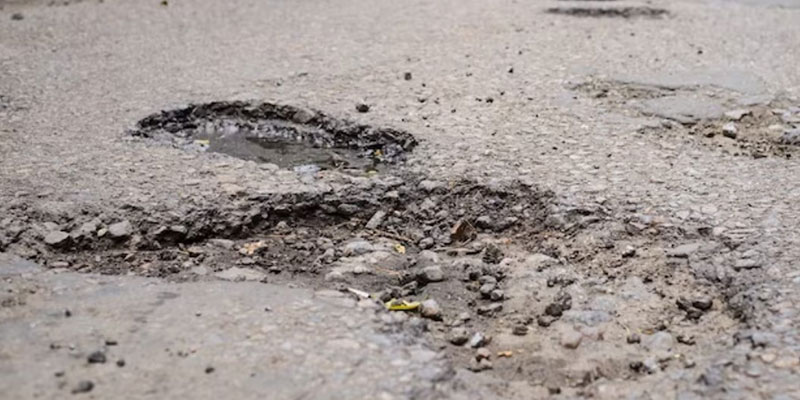
Before comparing repair options, it’s important to understand how potholes develop. A pothole is rarely a surface-only issue. It usually forms when water penetrates cracks in asphalt and weakens the base beneath the pavement. Once the base loses strength, vehicle weight causes the surface above to collapse, creating a hole.
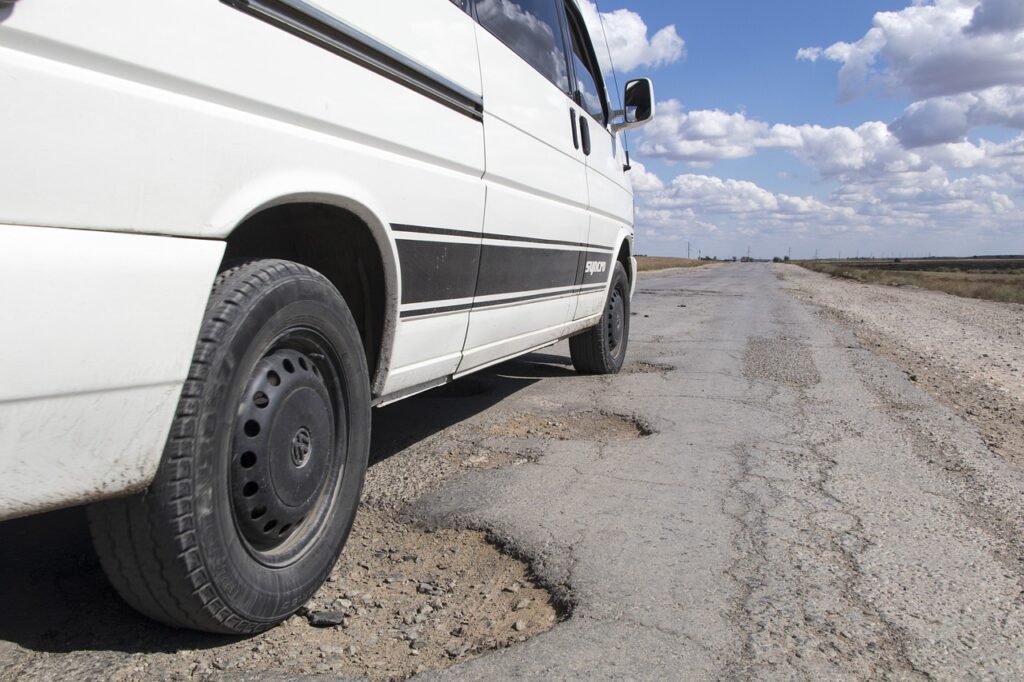
In Louisville’s climate, potholes are especially common. Rainwater seeps into the pavement, winter temperatures freeze that moisture, and expansion breaks the asphalt apart. When temperatures rise again, the weakened pavement collapses under pressure.
This means effective pothole repair is not just about filling a hole—it’s about restoring the strength of the pavement structure.
The Appeal of DIY Pothole Repair
DIY pothole repair is popular because it seems fast, affordable, and convenient. Many homeowners view potholes as minor problems that don’t require professional attention.
DIY repair typically involves purchasing cold patch asphalt, cleaning the hole, filling it, and compacting it as best as possible using hand tools or vehicle weight. For very small potholes, this approach may provide temporary improvement.
The biggest advantage of DIY pothole repair is the low upfront cost. Materials are inexpensive, and homeowners can complete the repair on their own schedule. For cosmetic fixes or short-term needs, DIY solutions may appear to work initially.
However, what looks good on day one does not always hold up over time.
The Hidden Limitations of DIY Pothole Repair
While DIY repairs may seem cost-effective, they come with serious limitations—especially in areas with challenging weather conditions.
One major issue is inadequate base repair. DIY methods usually focus only on filling the hole, not repairing the weakened base underneath. Without addressing the base, the pavement continues to fail from below, causing the pothole to reappear.
Compaction is another problem. Proper compaction requires specialized equipment to ensure the asphalt bonds correctly and withstands vehicle weight. Hand compaction rarely achieves the same results, leading to loose patches that break apart quickly.
DIY materials are also less durable. Cold patch products are convenient but not designed for long-term performance. They are more vulnerable to temperature changes, moisture, and traffic stress.
As a result, DIY pothole repair often becomes a repeating cycle—fill, fail, refill—adding up to higher costs over time.
When DIY Pothole Repair Might Make Sense
There are limited situations where DIY repair can be acceptable.
If a pothole is very small, shallow, and located in a low-traffic area, a temporary DIY fix may help slow deterioration until professional repair can be scheduled. DIY solutions may also be useful as a short-term safety measure to reduce tripping hazards or vehicle damage.
However, DIY repair should never be considered a long-term solution for recurring potholes, serious damage, or areas that experience regular vehicle traffic.
What Professional Pothole Repair Really Involves
Professional pothole repair is a much more comprehensive process. It begins with an evaluation of the damage to determine whether the issue is surface-level or structural.
Professionals remove all loose and damaged asphalt, not just what is visible on the surface. If the base layer has been compromised, it is repaired or stabilized before new asphalt is installed.
Hot asphalt or high-quality repair materials are compacted using professional equipment, ensuring proper bonding and long-term strength. The repaired area is leveled and blended into the surrounding pavement to prevent water intrusion and uneven wear.
This approach restores structural integrity, not just appearance.
Durability: DIY vs Professional Repair
Durability is one of the biggest differences between DIY and professional pothole repair.
DIY repairs are often short-lived. Temperature changes, moisture, and vehicle weight quickly break down poorly compacted patches. Many homeowners find themselves repairing the same pothole multiple times within a year.
Professional repairs are designed to last. By addressing base issues, using proper materials, and ensuring correct compaction, professional pothole repair significantly extends pavement life. In many cases, a professionally repaired pothole will not return for years.
Cost Comparison: Short-Term Savings vs Long-Term Value
DIY pothole repair almost always costs less upfront. However, the long-term cost is often higher.
Repeated DIY repairs require buying materials multiple times and investing ongoing time and effort. Worse, repeated surface-only fixes can trap moisture, accelerating base failure and leading to larger, more expensive repairs later.
Professional pothole repair may cost more initially, but it typically eliminates the need for repeat work. Over time, this makes professional repair the more affordable option for many homeowners.
Safety and Liability Considerations
Potholes are not just inconvenient—they can be dangerous. Uneven pavement increases the risk of trips, falls, and vehicle damage.
DIY repairs that fail unexpectedly can create new hazards. Loose patches or uneven surfaces may worsen the situation instead of improving it.
Professional pothole repair creates stable, even surfaces designed for safe use. For homeowners, this reduces liability risk and improves overall property safety.
How Louisville’s Climate Changes the Equation
Louisville’s weather plays a major role in pothole formation and repair success. Freeze–thaw cycles, heavy rain, and summer heat place constant stress on pavement.
DIY methods often fail to account for these conditions. Materials may harden too much in winter or soften excessively in summer, leading to rapid breakdown.
Professional pothole repair is designed with local climate conditions in mind. Repair techniques and materials are selected specifically to handle temperature fluctuations and moisture exposure common in Louisville.
Why Timing Matters in Pothole Repair
Another advantage of professional repair is proper timing. Asphalt repairs must be performed under the right temperature and moisture conditions to cure correctly.
DIY repairs are often done whenever the homeowner has time, regardless of weather conditions. This can compromise the effectiveness of the repair.
Professionals schedule pothole repair when conditions are suitable, ensuring strong bonding and long-lasting results.
How Pothole Repair Fits Into Overall Pavement Maintenance
Pothole repair should not be viewed as an isolated task. It is part of a broader pavement maintenance strategy that includes crack repair, drainage management, and surface protection.
Professional services often identify related issues during pothole repair, such as nearby cracks or drainage problems. Addressing these issues together improves overall pavement performance and reduces future damage.
DIY repairs rarely take this holistic approach, which is why problems often return.
Why Commonwealth Paving Is a Trusted Choice for Pothole Repair
For Louisville homeowners seeking reliable, long-lasting pothole repair, Commonwealth Paving offers professional solutions focused on durability and value.
Each project begins with a careful evaluation to identify the root cause of the pothole—not just the visible damage. By repairing the base when necessary and using proper materials and equipment, Commonwealth Paving ensures repairs are built to last.
Rather than quick fixes, the focus is on restoring pavement strength and preventing repeat failures. Clear communication and honest recommendations help homeowners understand the best solution for their specific situation.
Commonwealth Paving Contact Information
Company Name: Commonwealth Paving
Address: 136 Outer Loop, Louisville, Kentucky 40214
Toll-Free Number: +1 502 459 7283
How to Decide What’s Right for Your Driveway
The right choice between DIY and professional pothole repair depends on the severity of the damage, traffic levels, and long-term goals.
DIY repair may be acceptable for very minor, temporary fixes. However, if potholes are deep, recurring, or spreading, professional pothole repair is almost always the smarter option.
Ignoring structural damage or relying on repeated DIY fixes often leads to larger problems and higher costs down the road.
Short-Term Fix or Long-Term Solution?
DIY pothole repair may seem convenient, but it rarely provides lasting results—especially in Louisville’s demanding climate. While it can offer temporary improvement, it does not address the underlying causes of pothole formation.
Professional pothole repair focuses on durability, safety, and long-term performance. When done correctly, it restores pavement strength, reduces future damage, and protects your investment.
For homeowners who want peace of mind and lasting results, understanding the true difference between DIY and professional pothole repair makes all the difference. Making the right choice today can save time, money, and frustration for years to come.
Top Methods of Pothole Repair Every Driver Should Understand
Potholes are one of the most frustrating and damaging problems drivers face on driveways, private roads, and parking areas. One day, the pavement looks fine, and the next, there’s a deep hole that rattles your car, damages tires, and creates a safety hazard. For homeowners and property owners, understanding pothole repair methods is essential—not only to fix the problem but to prevent it from coming back.
In Louisville, potholes are especially common due to heavy rainfall, hot summers, freezing winters, and constant freeze–thaw cycles. These conditions accelerate pavement failure, making proper repair methods more important than ever. Not all pothole repairs are the same, and choosing the wrong method can lead to repeated damage and higher long-term costs.
This guide explains the top pothole repair methods every driver should understand, how they work, when they are used, and why some methods last much longer than others. Knowing these basics will help you make smarter decisions when dealing with potholes on your property.
Why Understanding Pothole Repair Methods Matters
Many people assume pothole repair is as simple as filling a hole with asphalt. In reality, potholes are usually a symptom of deeper structural problems. Water infiltrates cracks, weakens the base beneath the pavement, and repeated vehicle weight causes the surface to collapse.
If the repair method only addresses the surface and ignores the underlying cause, the pothole will almost always return. Understanding different pothole repair techniques helps drivers and property owners recognize why some repairs fail quickly while others provide long-lasting results.
How Potholes Form: The Root of the Problem
Before diving into repair methods, it’s important to understand how potholes develop. Most potholes begin as small cracks. Water enters these cracks and reaches the base layer. In colder months, that water freezes and expands, widening the cracks. When temperatures rise, the weakened asphalt collapses under traffic load.
In Louisville, this process happens repeatedly throughout the year. Rain, freezing temperatures, and summer heat work together to break down pavement. Effective pothole repair must address both the visible damage and the hidden structural issues beneath the surface.
Cold Patch Pothole Repair: The Most Common Temporary Fix
Cold patch repair is one of the most widely used pothole repair methods because it is quick and easy. It involves placing a pre-mixed asphalt material directly into the pothole and compacting it as much as possible.
This method is often used for emergency repairs or temporary fixes because it does not require heating or specialized equipment. Cold patch pothole repair can improve safety quickly by eliminating sharp edges and reducing vehicle damage.
However, cold patch repairs are generally short-term solutions. The material does not bond as strongly as other methods and is more vulnerable to moisture and temperature changes. In Louisville’s climate, cold patch repairs often fail within months if underlying base problems are not addressed.
Hot Asphalt Pothole Repair: A More Durable Solution
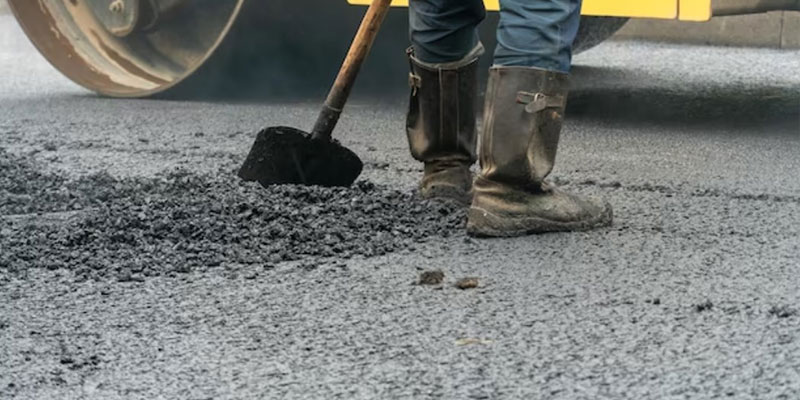
Hot asphalt repair is considered one of the most effective pothole repair methods when done correctly. This process involves removing damaged asphalt, repairing the base if needed, and filling the pothole with hot asphalt that is properly compacted.
Hot asphalt creates a stronger bond with the surrounding pavement and provides better resistance to traffic stress and weather conditions. When compacted correctly, it restores structural integrity and creates a smoother, longer-lasting surface.
This method requires professional equipment and proper timing, as hot asphalt must be placed under suitable weather conditions. While it costs more upfront than cold patching, hot asphalt repair typically lasts much longer and reduces the need for repeat repairs.
Full-Depth Pothole Repair: Addressing the Root Cause
Full-depth repair is one of the most reliable pothole repair methods available. It involves removing not only the damaged surface asphalt but also inspecting and repairing the base layer beneath it.
If the base is weak or water-damaged, it is stabilized or replaced before new asphalt is installed. This method addresses the true cause of pothole formation rather than just the surface symptoms.
Full-depth pothole repair is ideal for recurring potholes or areas with heavy traffic. While it requires more labor and investment, it significantly extends pavement life and prevents repeated failures.
Infrared Pothole Repair: Seamless Surface Restoration
Infrared pothole repair is a specialized method that uses infrared heat to soften existing asphalt around the pothole. The softened asphalt is then blended with new material and compacted to create a seamless repair.
This method eliminates visible seams, which helps prevent water infiltration. It also allows the repaired area to expand and contract with the surrounding pavement, improving durability.
Infrared repair can be effective for certain types of potholes, especially those caused by surface-level damage. However, it may not be suitable for potholes caused by severe base failure. Proper evaluation is essential before choosing this method.
Throw-and-Roll Pothole Repair: Fast but Limited
Throw-and-roll is a quick repair method often used in emergency situations. Asphalt material is placed into the pothole and compacted by vehicle tires rather than professional equipment.
While this method is fast and inexpensive, it provides limited durability. It does not properly compact the material or address base issues, making it one of the shortest-lasting pothole repair techniques.
Throw-and-roll may temporarily reduce hazards but should not be relied upon for long-term pothole repair, especially in high-traffic areas.
Milling and Patching: Targeted Structural Repair
Milling and patching involves removing damaged asphalt using specialized equipment and replacing it with new material. This method allows for precise removal of problem areas while preserving surrounding pavement.
By targeting only the damaged sections, milling and patching can be a cost-effective solution when base conditions are stable. When combined with proper compaction, it provides durable results and improves surface smoothness.
This approach is often used when potholes are part of a larger damaged area rather than isolated holes.
Why Base Repair Is the Key to Long-Lasting Results
Across all effective pothole repair methods, one factor remains constant: base condition matters. Potholes almost always return if the base beneath the asphalt is weak or water-damaged.
Repair methods that ignore base stabilization may look successful at first but fail quickly. Repairs that address drainage, moisture control, and compaction beneath the surface consistently last longer and reduce maintenance costs.
Understanding this principle helps drivers recognize why professional repair methods often outperform DIY fixes.
The Role of Drainage in Pothole Repair Success
Poor drainage is one of the biggest contributors to pothole formation. Standing water and moisture trapped beneath pavement weaken the base and accelerate damage.
Effective pothole repair often includes correcting drainage issues to prevent water from returning to the repaired area. This may involve grading adjustments or surface corrections to improve water flow.
Ignoring drainage issues almost guarantees that potholes will reappear, regardless of the repair method used.
Why DIY Pothole Repair Often Falls Short
DIY pothole repair methods typically rely on cold patch materials and minimal compaction. While these repairs may improve appearance temporarily, they rarely address base problems or moisture infiltration.
In Louisville’s climate, DIY pothole repair often fails quickly due to freeze–thaw cycles and heavy rainfall. Repeated DIY fixes can actually worsen the problem by trapping moisture beneath the surface.
Understanding professional pothole repair methods helps drivers see why expert solutions provide better long-term value.
Choosing the Right Pothole Repair Method
The best pothole repair method depends on several factors, including pothole size, depth, traffic level, base condition, and drainage. There is no single solution that works for every situation.
Minor, temporary issues may tolerate short-term repairs. Recurring or deep potholes require more comprehensive methods that address structural integrity.
Professional evaluation ensures the right repair method is chosen for lasting results rather than repeated patchwork.
Why Commonwealth Paving Uses Proven Pothole Repair Methods
For property owners in Louisville, Commonwealth Paving provides professional pothole repair solutions designed for durability and long-term performance.
Each project begins with a careful evaluation to determine the true cause of the pothole. Rather than relying on quick fixes, Commonwealth Paving focuses on repair methods that restore pavement strength, correct base issues, and prevent repeat damage.
By using proper materials, professional equipment, and climate-aware techniques, repairs are designed to withstand Louisville’s demanding weather conditions.
Commonwealth Paving Contact Information
Company Name: Commonwealth Paving
Address: 136 Outer Loop, Louisville, Kentucky 40214
Toll-Free Number: +1 502 459 7283
How Understanding Pothole Repair Helps Drivers Save Money
Drivers who understand pothole repair methods are better equipped to make informed decisions. They can recognize when a repair is temporary, when deeper issues exist, and when professional solutions are necessary.
This knowledge prevents wasted money on repeated short-term fixes and reduces long-term pavement maintenance costs.
Knowledge Is the Best Defense Against Potholes
Potholes are more than surface defects—they are signs of deeper pavement problems. Understanding the top pothole repair methods helps drivers and property owners see why some repairs fail while others succeed.
From cold patching to full-depth repair, each method has its place, but long-lasting results always depend on proper evaluation, base repair, and moisture control. In Louisville’s challenging climate, choosing the right pothole repair method makes all the difference.
By knowing how pothole repair works and what truly delivers durability, homeowners can protect their pavement, their vehicles, and their investment for years to come.
Address
Commonwealth Paving, 136 Outerloop, Louisville, Kentucky 40214
Phone: 502-459-7283, Fax: 502-456-2678
Opening Hours
| Monday | 9:00 AM – 5:00 PM |
| Tuesday | 9:00 AM – 5:00 PM |
| Wednesday | 9:00 AM – 5:00 PM |
| Thursday | 9:00 AM – 5:00 PM |
| Friday | 9:00 AM – 5:00 PM |
| Saturday | Closed |
| Sunday | Closed |