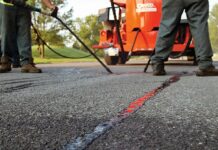

Pothole Repair Solutions: Quick Fixes vs Long-Term Results
Potholes have a way of appearing at the worst possible time. One day, your driveway or private access road looks fine, and the next, there’s a deep hole that rattles your vehicle, damages tires, and creates a safety risk. When this happens, most homeowners want the fastest solution possible. But here’s the real question you should be asking: Do I need a quick fix, or should I invest in a long-term pothole repair solution?
Understanding the difference between short-term and long-term pothole repair is critical—especially in Louisville, where hot summers, freezing winters, heavy rain, and freeze–thaw cycles accelerate pavement damage. Some repairs are designed to buy time, while others are meant to restore structural integrity and prevent repeat failures. Choosing the wrong approach can lead to ongoing frustration and higher costs over time.
Why Potholes Keep Coming Back
Before comparing repair solutions, it’s important to understand why potholes form in the first place. A pothole is rarely just a surface problem. It usually begins when water enters small cracks in asphalt and reaches the base layer underneath. Once the base becomes saturated or unstable, vehicle weight causes the surface above to collapse.
In Louisville’s climate, this process happens quickly. Rainwater penetrates pavement, winter temperatures freeze that moisture and expand it, and summer heat weakens the asphalt binder. If a repair does not address these underlying issues, the pothole is almost guaranteed to return.
This is why not all pothole repair methods deliver the same results.
What Are Quick-Fix Pothole Repair Solutions?
Quick fixes are designed to address potholes fast, often with minimal preparation and low upfront cost. These solutions are popular because they appear simple and convenient.
Quick-fix pothole repair usually involves filling the hole with a pre-mixed asphalt product and compacting it as best as possible. These repairs are often used in emergencies to reduce hazards and improve appearance temporarily.
For homeowners, quick fixes may seem attractive because they:
- Cost less upfront
- Can be done quickly
- Improve safety immediately
- Require minimal downtime
However, quick fixes come with limitations that are important to understand.
The Pros and Cons of Quick Fixes
Quick fixes can be useful in certain situations, but they are rarely designed to last.
On the positive side, quick fixes can reduce immediate risks. A filled pothole is better than an open one, especially if vehicles or pedestrians use the area regularly. These repairs may also help temporarily during extreme weather when long-term repairs are not feasible.
The downside is durability. Most quick-fix pothole repair solutions do not address the weakened base beneath the surface. Without base repair and proper compaction, the asphalt patch is sitting on unstable ground. As a result, the repair often loosens, cracks, or sinks within months—sometimes even weeks.
In Louisville’s freeze–thaw conditions, quick fixes are especially vulnerable to failure.
When Quick Fixes Might Make Sense
There are limited scenarios where quick pothole repair solutions are reasonable.
If the pothole is small, shallow, and located in a low-traffic area, a temporary fix may slow deterioration until a more permanent repair can be scheduled. Quick fixes can also be useful as a short-term safety measure when weather conditions prevent proper long-term repairs.
However, homeowners should view these solutions as temporary by design—not as a permanent answer.
What Defines Long-Term Pothole Repair Solutions?
Long-term pothole repair focuses on restoring pavement strength, not just appearance. These repairs are designed to prevent the pothole from coming back by addressing the root cause of the damage.
A long-term repair typically involves removing all damaged asphalt, evaluating the condition of the base, repairing or stabilizing the base if necessary, and installing new asphalt with proper compaction. The repaired area is then blended into the surrounding pavement to prevent water infiltration.
This approach takes more time and investment upfront, but the results last significantly longer.
Why Base Repair Is the Key to Long-Term Results
The most important difference between quick fixes and long-term pothole repair is how the base is treated.
When the base layer beneath the asphalt is weak or water-damaged, surface patches alone will fail. Long-term repairs rebuild or stabilize the base so it can support traffic loads properly.
Once the base is restored, the new asphalt has a solid foundation. This dramatically reduces the chance of repeat potholes and extends the overall life of the pavement.
Cost Comparison: Cheap Now vs Affordable Over Time
One of the biggest misconceptions about pothole repair is that quick fixes are more affordable. While they do cost less initially, they often become more expensive over time.
Repeated quick fixes require buying materials multiple times and investing ongoing labor. Worse, they can trap moisture beneath the surface, accelerating base failure and leading to larger repairs later.
Long-term pothole repair costs more upfront, but it typically eliminates the need for repeated repairs. Over several years, this approach is often far more cost-effective for homeowners.
Durability in Louisville’s Climate
Louisville’s weather makes durability especially important. Freeze–thaw cycles, heavy rainfall, and summer heat all work against poorly repaired pavement.
Quick fixes struggle in these conditions because they lack proper bonding and compaction. Long-term repairs are designed to handle expansion, contraction, and moisture exposure.
This climate factor is one of the main reasons professional pothole repair solutions consistently outperform temporary fixes in Louisville.
Safety and Liability Considerations
Potholes are not just a maintenance issue—they are a safety concern. Uneven pavement increases the risk of trips, falls, and vehicle damage.
Quick fixes that fail unexpectedly can create new hazards. Loose patches or sinking repairs may be worse than the original pothole.
Long-term pothole repair creates stable, level surfaces that improve safety and reduce liability risk for homeowners.
How Pothole Repair Fits Into Overall Pavement Health
Pothole repair should never be viewed in isolation. It is part of a larger pavement maintenance strategy that includes crack repair, drainage management, and surface protection.
Long-term repair solutions often identify and address nearby cracks or drainage issues that contributed to pothole formation. This comprehensive approach improves overall pavement performance and reduces future damage.
Quick fixes rarely take this broader view, which is why potholes often return in the same area.
Repair Timing: Another Difference Between Quick and Long-Term Solutions
Timing plays a major role in repair success. Asphalt materials require proper temperature and moisture conditions to cure correctly.
Quick fixes are often done whenever the pothole becomes annoying, regardless of weather. This can reduce effectiveness and shorten lifespan.
Professional long-term pothole repair is scheduled when conditions allow materials to bond and perform properly, ensuring stronger, longer-lasting results.
Why Professional Evaluation Matters
Homeowners often choose quick fixes because they underestimate the severity of the damage. A pothole that looks minor on the surface may actually indicate deeper structural problems.
Professional evaluation helps determine whether a quick fix is reasonable or if long-term repair is necessary. This prevents wasted money on repairs that are destined to fail.
Understanding the true condition of the pavement is essential to choosing the right pothole repair solution.
Why Commonwealth Paving Focuses on Long-Term Results
For homeowners in Louisville, Commonwealth Paving provides professional pothole repair solutions designed for durability and value.
Each project begins with a careful assessment to identify the root cause of the pothole—not just the visible damage. By addressing base stability, drainage, and material performance, Commonwealth Paving delivers repairs that last.
Rather than relying on quick fixes that lead to repeated problems, the focus is on restoring pavement strength and preventing future failures. Clear communication ensures homeowners understand whether a temporary or long-term solution makes the most sense for their situation.
Commonwealth Paving Contact Information
Company Name: Commonwealth Paving
Address: 136 Outer Loop, Louisville, Kentucky 40214
Toll-Free Number: +1 502 459 7283
How Homeowners Should Decide Between Quick Fixes and Long-Term Repair
The right pothole repair solution depends on several factors: pothole size, depth, traffic level, base condition, and long-term goals.
Quick fixes may be acceptable for temporary situations or very minor damage. However, if potholes are recurring, growing, or located in high-traffic areas, long-term pothole repair is almost always the better investment.
Choosing the right solution early can prevent repeated frustration and unnecessary expense.
The Real Cost of Choosing the Wrong Solution
Choosing a quick fix when long-term repair is needed often leads to:
- Repeated pothole repairs
- Higher cumulative costs
- Accelerated pavement failure
- Increased safety risks
On the other hand, choosing long-term repair when appropriate provides stability, safety, and peace of mind.
Quick Fix or Lasting Solution?
Pothole repair is not just about filling a hole—it’s about restoring pavement performance. Quick fixes may offer immediate relief, but they rarely solve the underlying problem. Long-term pothole repair addresses the real cause of damage and delivers results that last.
For Louisville homeowners, understanding the difference between temporary patches and durable repairs is key to protecting both pavement and budget. When repairs are done correctly and at the right time, potholes stop being a recurring headache and become a solved problem.
Investing in the right pothole repair solution today can save years of frustration, repeated costs, and pavement damage tomorrow.
Pothole Repair: Why Timely Fixes Save You Money and Headaches
A pothole never looks like a big problem at first. It starts small—maybe a shallow dip or a rough patch you notice when pulling into your driveway. Over time, it gets deeper, wider, and more damaging. Suddenly, it’s rattling your car, collecting water, and becoming a constant source of frustration. What many homeowners don’t realize is that pothole repair is one of those situations where waiting almost always costs more than acting early.
In Louisville, potholes form quickly due to heavy rainfall, freezing winters, and repeated freeze–thaw cycles. Once a pothole appears, the clock starts ticking. Delaying repairs allows water, traffic, and temperature changes to make the damage worse—often far worse than expected. This article explains why timely pothole repair is one of the smartest decisions a homeowner can make, how early fixes prevent bigger problems, and how acting quickly saves both money and peace of mind.
Why Potholes Are More Than Just Surface Damage
Many homeowners assume a pothole is just a surface issue—a hole that needs filling. In reality, potholes are usually a symptom of deeper structural problems. They form when water penetrates cracks in the asphalt and weakens the base layer underneath. Once the base loses strength, the surface above collapses under vehicle weight.
In Louisville’s climate, this process accelerates quickly. Rainwater seeps into pavement, freezes during winter, expands, and breaks the asphalt apart. When temperatures rise again, traffic finishes the job. By the time a pothole is clearly visible, damage has often already spread beneath the surface.
This is why pothole repair is not just about filling a hole. It’s about stopping structural failure before it spreads.
The Real Cost of Ignoring Potholes
One of the biggest mistakes homeowners make is underestimating how fast potholes grow. A small pothole left unattended rarely stays small for long.
Water continues to enter the damaged area, weakening the surrounding asphalt. Each passing vehicle applies pressure to an already compromised surface. Over weeks or months, the pothole expands outward and downward, increasing both repair complexity and cost.
What could have been a simple repair often turns into:
- A larger repair area
- Deeper base damage
- More labor and materials
- Higher repair costs
Delaying pothole repair almost always results in paying more later—not less.
How Timely Pothole Repair Saves You Money
Early pothole repair focuses on containment. When damage is limited, repairs are faster, simpler, and far more affordable. Fixing a small pothole often requires less material, less labor, and minimal disruption.
Timely repairs prevent:
- Water from spreading beneath the surrounding pavement
- Adjacent cracks from forming
- Base failure from expanding
- Repeated repair cycles
From a financial standpoint, pothole repair is one of the clearest examples of preventative maintenance paying off.
The Hidden Costs of Waiting Too Long
Beyond repair expenses, untreated potholes create indirect costs that homeowners often overlook.
Vehicle damage is a major concern. Potholes can damage tires, wheels, suspension components, and alignment. Even a single hard impact can result in costly repairs to your vehicle.
Safety risks are another factor. Potholes increase the risk of trips and falls for pedestrians and can create hazardous driving conditions, especially at night or during rain.
There’s also the issue of property value. A driveway full of potholes negatively impacts curb appeal and gives the impression of poor maintenance. This can affect resale value and overall property perception.
Timely pothole repair helps avoid these hidden costs and protects your investment on multiple levels.
Why Potholes Get Worse in Louisville’s Climate
Louisville’s weather plays a major role in pothole formation and expansion. The combination of rain, freezing temperatures, and hot summers is especially harsh on asphalt.
During winter, water trapped in cracks freezes and expands, breaking the pavement apart from the inside. In spring, melting ice leaves voids beneath the asphalt. Summer heat softens asphalt, making it more vulnerable to collapse under vehicle weight.
This constant cycle means potholes in Louisville don’t just appear—they grow aggressively. Delaying repairs through even one season can dramatically increase damage.
Small Repairs vs Large Repairs: The Cost Difference
One of the clearest ways to understand the value of timely pothole repair is to compare small repairs to large ones.
Small pothole repairs typically involve removing loose material, addressing minor base issues if present, and restoring the surface properly. These repairs are relatively quick and affordable.
Large pothole repairs often require:
- Removing a wider section of asphalt
- Repairing or replacing the base
- Using more material
- Additional labor and equipment
The difference in cost between early and delayed pothole repair can be significant. Acting early almost always means spending less overall.
Why Quick Fixes Often Lead to Bigger Problems
Some homeowners try to delay professional pothole repair by using quick fixes. While temporary patches may reduce immediate hazards, they often create a false sense of security.
Quick fixes typically do not address base damage or drainage issues. They may trap moisture beneath the surface, accelerating deterioration. When the patch fails—as it often does—the pothole returns larger and more expensive to fix.
Timely, proper pothole repair focuses on durability, not just appearance. Fixing the problem correctly the first time is far less stressful than dealing with repeated failures.
The Role of Water in Pothole Expansion
Water is the biggest enemy of asphalt. Once it enters the pavement structure, it spreads damage quickly.
Untreated potholes allow water to:
- Saturate the base layer
- Weaken the surrounding pavement
- Create voids beneath the surface
- Accelerate cracking and collapse
Timely pothole repair seals off entry points for water and protects the structural layers beneath the surface. This single factor alone explains why early repairs are so effective.
How Timely Repairs Reduce Long-Term Maintenance
Driveways and private roads that receive timely pothole repair tend to require far less maintenance over time. Early intervention prevents damage from spreading to adjacent areas, reducing the need for future repairs.
Well-maintained pavement also responds better to routine maintenance like crack sealing and surface protection. When potholes are allowed to grow unchecked, they undermine the effectiveness of other maintenance efforts.
Timely pothole repair supports a long-term maintenance strategy rather than forcing reactive, expensive fixes.
Stress and Inconvenience: The Hidden Headache Factor
Beyond money, potholes create ongoing frustration. Driving over the same pothole every day, worrying about vehicle damage, or explaining hazards to guests is stressful.
Delaying repairs means:
- Repeated annoyance
- Ongoing safety concerns
- Uncertainty about worsening damage
- Emergency repairs at inconvenient times
Timely pothole repair eliminates these headaches early, allowing homeowners to enjoy smooth, worry-free access to their property.
When Is the Right Time to Repair a Pothole?
The best time to repair a pothole is as soon as it appears. Even minor damage should be evaluated early, before water and traffic worsen the problem.
Seasonal timing also matters. Repairs performed under suitable weather conditions cure better and last longer. Addressing potholes before winter or early in spring often prevents severe seasonal damage.
Waiting rarely improves the situation. In most cases, delaying pothole repair simply increases both cost and inconvenience.
Why Professional Evaluation Matters for Timely Repairs
Not all potholes are the same. Some are shallow surface issues, while others indicate deeper structural problems. Professional evaluation helps determine the right repair approach early, before damage spreads.
Early assessment ensures:
- The root cause is identified
- The correct repair method is used
- Unnecessary work is avoided
- Repairs last longer
Timely pothole repair is most effective when guided by experience and proper evaluation.
Why Commonwealth Paving Emphasizes Early Pothole Repair
For Louisville homeowners, Commonwealth Paving understands that timely pothole repair is the key to long-term pavement performance. Each repair begins with a careful evaluation to identify how far damage has spread and what is needed to stop it.
Rather than waiting for potholes to worsen, Commonwealth Paving focuses on early intervention, proper base repair when necessary, and durable solutions designed for Louisville’s climate. This approach minimizes repeat repairs and reduces long-term costs for homeowners.
Clear communication ensures property owners understand why acting early saves money and prevents future problems.
Commonwealth Paving Contact Information
Company Name: Commonwealth Paving
Address: 136 Outer Loop, Louisville, Kentucky 40214
Toll-Free Number: +1 502 459 7283
How Timely Pothole Repair Protects Property Value
A smooth, well-maintained driveway improves curb appeal and reflects responsible property care. Potholes, on the other hand, suggest neglect and can negatively affect property value.
Timely pothole repair keeps pavement looking clean, safe, and functional—protecting both daily usability and long-term resale value.
The Long-Term Payoff of Acting Early
Homeowners who prioritize early pothole repair consistently experience:
- Lower repair costs
- Fewer repeat problems
- Improved safety
- Less stress and inconvenience
- Longer pavement lifespan
These benefits compound over time, making early action one of the most cost-effective pavement decisions you can make.
Fix It Early, Save More Later
Potholes are not problems that fix themselves. They grow, spread, and become more expensive the longer they are ignored. In Louisville’s challenging climate, delaying pothole repair almost guarantees higher costs and ongoing frustration.
Timely pothole repair stops damage in its tracks, protects your vehicle, improves safety, and saves money over the long term. More importantly, it eliminates the constant headache of dealing with worsening pavement issues.
For homeowners who value durability, affordability, and peace of mind, acting early is always the smarter choice. When potholes are repaired at the right time and in the right way, they stop being a recurring problem—and become a solved one.
Address
Commonwealth Paving, 136 Outerloop, Louisville, Kentucky 40214
Phone: 502-459-7283, Fax: 502-456-2678
Opening Hours
| Monday | 9:00 AM – 5:00 PM |
| Tuesday | 9:00 AM – 5:00 PM |
| Wednesday | 9:00 AM – 5:00 PM |
| Thursday | 9:00 AM – 5:00 PM |
| Friday | 9:00 AM – 5:00 PM |
| Saturday | Closed |
| Sunday | Closed |