
Mistakes to Avoid During Pothole Repair
Potholes are more than just an eyesore—they’re a serious hazard for vehicles, pedestrians, and the long-term health of your pavement. Whether it’s a driveway, parking lot, or roadway, pothole repair must be done correctly to ensure durability, safety, and cost efficiency. Unfortunately, many property owners and facility managers make avoidable mistakes that lead to repeated damage, wasted money, and frustrated users.
At Commonwealth Paving, we’ve seen firsthand how small errors during pothole repair can turn into big problems later. Based at 136 Outer Loop, Louisville, Kentucky 40214, and serving the local area with pride, our team understands what works—and what doesn’t—when it comes to long-lasting asphalt repairs. In this guide, we’ll walk you through the most common pothole repair mistakes and how to avoid them, so your pavement stays smooth and strong for years to come. If you ever need expert help, you can reach us at +1 502 459 7283.
Understanding Why Proper Pothole Repair Matters
Before diving into the mistakes, it’s important to understand why proper pothole repair is so critical. Potholes usually form when water seeps into cracks in the pavement, freezes and expands, then weakens the asphalt base. Traffic pressure worsens the damage, eventually creating a hole.
If pothole repair is rushed or done incorrectly, water will continue to infiltrate the pavement, causing the same issue to resurface—often worse than before. Proper repair protects your investment, improves safety, and enhances the appearance of your property.
Mistake #1: Ignoring the Root Cause of the Pothole
One of the biggest mistakes in pothole repair is focusing only on the surface damage. Simply filling the visible hole without addressing underlying issues—such as poor drainage or a compromised base—will almost always result in failure.
Why This Is a Problem
When water remains trapped beneath the asphalt, it weakens the foundation. Even the best patching material won’t last long if the base is unstable.
How to Avoid It
Effective pothole repair starts with identifying why the pothole formed in the first place. Proper excavation, base repair, and compaction are essential steps to ensure the patch holds up over time.
Mistake #2: Using the Wrong Repair Materials
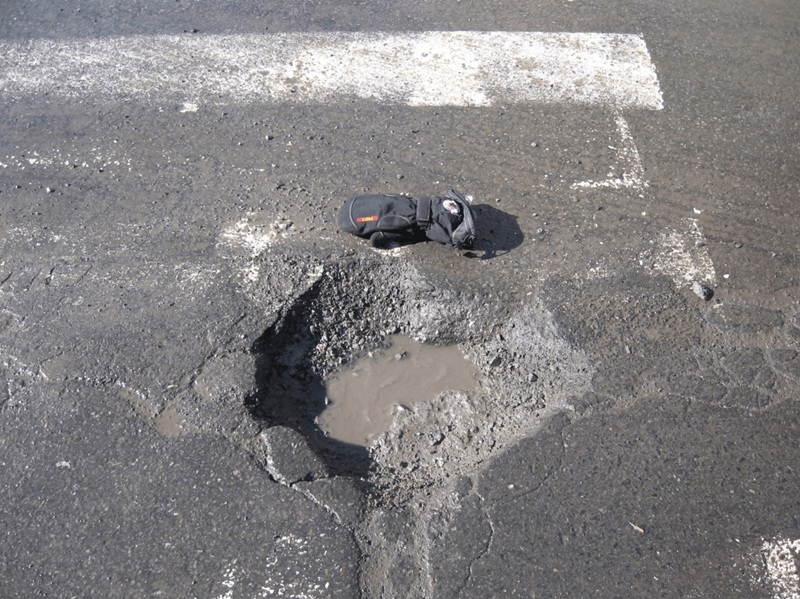
Not all asphalt materials are created equal. Using low-quality or incorrect materials is a common mistake that significantly shortens the lifespan of pothole repair.
Common Material Errors
- Using cold mix asphalt for high-traffic areas when hot mix is needed
- Applying old or poorly stored materials
- Using materials not designed for local climate conditions
The Right Approach
Selecting the correct asphalt mix for the season, traffic load, and environment is critical. Quality materials ensure better bonding, flexibility, and durability in pothole repair projects.
Mistake #3: Skipping Proper Cleaning and Preparation
Preparation is everything in pothole repair. A surprisingly common mistake is failing to properly clean the pothole before applying new asphalt.
What Goes Wrong
Dirt, debris, loose asphalt, and standing water prevent the patching material from bonding properly with the existing pavement. This leads to premature cracking and dislodging.
Best Practice
Thoroughly cleaning the pothole and ensuring it is dry creates a strong bond between old and new asphalt. Proper preparation dramatically improves the success rate of pothole repair.
Mistake #4: Poor Compaction Techniques
Even with the best materials, pothole repair can fail if the asphalt isn’t compacted correctly. Inadequate compaction leaves air pockets, making the patch vulnerable to traffic stress and water penetration.
Signs of Poor Compaction
- The patch sinks shortly after repair
- Edges begin to crumble
- The surface feels soft or uneven
How to Do It Right
Proper compaction requires the right equipment and technique. The asphalt should be compacted in layers to achieve maximum density and strength, ensuring long-lasting pothole repair results.
Mistake #5: Repairing Potholes in the Wrong Weather
Weather plays a major role in pothole repair success. Attempting repairs during unsuitable conditions is a costly mistake many property owners make.
Weather-Related Issues
- Cold temperatures prevent proper asphalt bonding
- Rain introduces moisture that weakens the repair
- Extreme heat can affect asphalt consistency
Smart Scheduling
Timing pothole repair for appropriate weather conditions improves adhesion and compaction. Planning repairs strategically helps avoid premature failure.
Mistake #6: Overlooking Edge Sealing
The edges of a pothole repair are often the weakest point. Failing to properly seal these edges allows water to seep in, undermining the repair from the sides.
Why Edge Sealing Matters
Unsealed edges are prone to cracking and separation, especially under heavy traffic loads. This leads to rapid deterioration.
The Solution
Proper edge sealing helps lock the patch in place and prevents moisture intrusion, significantly extending the life of pothole repair work.
Mistake #7: Treating Pothole Repair as a One-Time Fix
Another common misconception is viewing pothole repair as a permanent solution without follow-up maintenance. Asphalt surfaces require ongoing care to remain in good condition.
The Risk
Without regular inspections and preventative maintenance, small cracks can turn into large potholes again—undoing your repair efforts.
A Better Strategy
Routine inspections and timely touch-ups help protect repaired areas and reduce the need for major pothole repair in the future.
Mistake #8: Delaying Repairs for Too Long
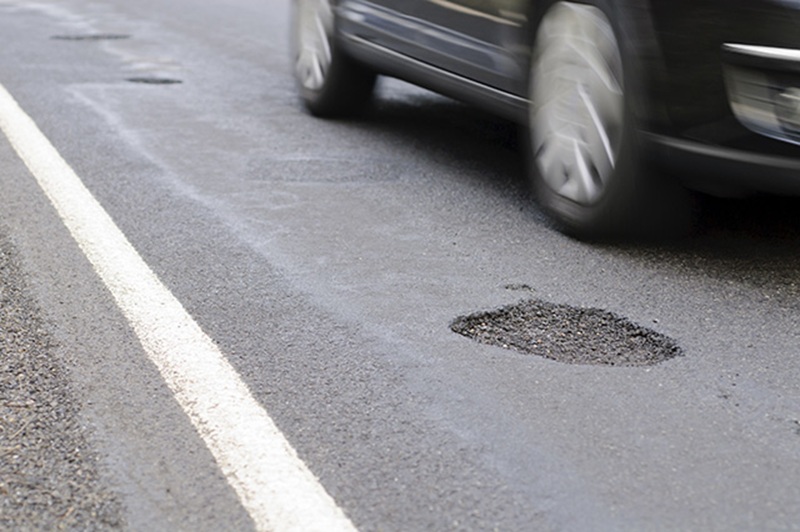
Procrastination is one of the costliest pothole repair mistakes. What starts as a small defect can quickly expand under traffic and weather exposure.
Consequences of Delay
- Increased repair costs
- Greater risk of vehicle damage or injuries
- Larger areas of pavement failure
Proactive Action
Addressing potholes early minimizes damage and keeps repair costs manageable. Prompt pothole repair preserves both safety and pavement integrity.
Mistake #9: Uneven Surface Finishing
An uneven finish doesn’t just look bad—it can also create safety hazards and accelerate wear. Poor finishing is a mistake that undermines the quality of pothole repair.
Why It Matters
Uneven patches can collect water, cause tripping hazards, and lead to uneven traffic stress on the pavement.
Proper Finishing
A smooth, level finish ensures water runoff and provides a safe, professional-looking surface that blends seamlessly with existing pavement.
Mistake #10: Not Trusting Experienced Professionals
Finally, one of the biggest mistakes is underestimating the skill required for effective pothole repair. While DIY solutions may seem cost-effective, they often lead to repeated failures.
The Professional Advantage
Experienced crews understand materials, preparation, compaction, and timing. Professional pothole repair saves money in the long run by getting it right the first time.
At Commonwealth Paving, we bring years of hands-on experience to every pothole repair project. Our focus is on durable solutions, not quick fixes, ensuring your pavement remains safe and functional.
Why Choosing the Right Approach to Pothole Repair Matters
Avoiding these common mistakes can make a significant difference in the longevity and performance of your pavement. Proper pothole repair is an investment in safety, appearance, and long-term savings. When done correctly, it reduces future maintenance costs and extends the life of your asphalt surfaces.
If you’re dealing with recurring potholes or want expert guidance, Commonwealth Paving is here to help. Located at 136 Outer Loop, Louisville, Kentucky 40214, we specialize in professional pothole repair tailored to local conditions. Call us today at +1 502 459 7283 to discuss your needs and protect your pavement the right way.
Pothole repair isn’t just about filling holes—it’s about understanding pavement behavior, choosing the right materials, and executing each step with precision. By avoiding the mistakes outlined above, you can ensure stronger, longer-lasting repairs that stand up to traffic and weather.
When quality matters, trust Commonwealth Paving for reliable pothole repair solutions that deliver real value and lasting results.
Pothole Repair for Driveways: Best Practices and Maintenance Guide
A smooth, well-maintained driveway does more than just look good—it protects your vehicle, improves safety, and preserves the value of your property. Unfortunately, potholes are one of the most common and frustrating driveway problems homeowners face. If left untreated, a small defect can quickly turn into a major repair issue. That’s why understanding pothole repair for driveways is so important.
At Commonwealth Paving, we help property owners protect their asphalt surfaces with reliable, long-lasting solutions. Based at 136 Outer Loop, Louisville, Kentucky 40214, our team knows exactly how local weather, traffic, and drainage conditions affect residential driveways. In this detailed guide, we’ll walk you through best practices for driveway pothole repair, common causes, and essential maintenance tips to keep your driveway strong for years to come. For expert help, call us anytime at +1 502 459 7283.
Why Potholes Form in Driveways
Before diving into pothole repair techniques, it’s important to understand why potholes develop in the first place. Driveways experience daily stress from vehicles, weather, and water infiltration. Over time, these factors weaken the asphalt surface and base.
Common Causes of Driveway Potholes
- Water penetration: Rainwater seeps into cracks and weakens the foundation
- Freeze-thaw cycles: Water expands when frozen, breaking apart asphalt
- Heavy or repeated vehicle loads: Especially in the same parking spots
- Poor drainage: Standing water accelerates asphalt deterioration
- Aging pavement: Older driveways lose flexibility and strength
Once the base layer is compromised, traffic pressure causes the surface to collapse, resulting in a pothole. Effective pothole repair must address both the surface and underlying issues.
Why Timely Pothole Repair Matters for Driveways
Ignoring driveway potholes is never a good idea. What may seem like a minor issue can quickly become a safety hazard and a costly repair.
Risks of Delaying Pothole Repair
- Damage to tires, suspension, and wheel alignment
- Increased risk of trips and falls
- Faster spread of cracks and surface failure
- Higher long-term repair costs
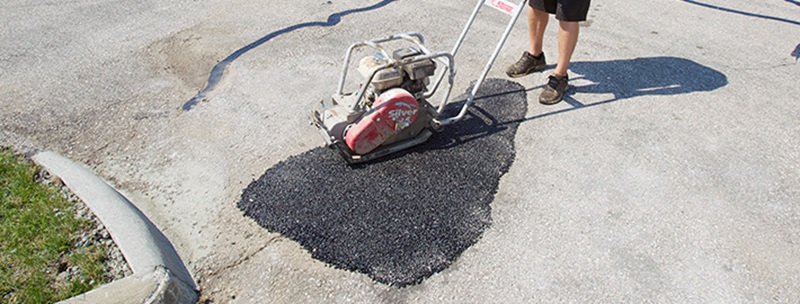
Prompt pothole repair protects your driveway’s structure and helps avoid more extensive reconstruction later.
Best Practices for Driveway Pothole Repair
Not all pothole repair methods deliver the same results. Following proven best practices ensures durability, safety, and value.
- Proper Inspection and Assessment
Every pothole repair should start with a thorough inspection. The size, depth, and cause of the pothole must be evaluated to determine the correct repair method. Surface-level fixes may work for minor damage, while deeper potholes require base repair.
- Complete Removal of Damaged Asphalt
One of the most common pothole repair mistakes is patching over weak or crumbling asphalt. All loose material must be removed to create a solid repair area. Clean, squared edges help the new asphalt bond properly.
- Addressing the Base Layer
A strong foundation is essential for long-lasting pothole repair. If the base is soft or waterlogged, it must be repaired or replaced. Skipping this step often leads to repeat potholes in the same location.
- Choosing the Right Asphalt Material
Using the correct asphalt mix is critical for driveway pothole repair. Quality materials provide better flexibility, strength, and resistance to weather-related damage. The right mix also ensures smoother blending with the existing driveway surface.
- Proper Compaction
Compaction is where many driveway repairs fail. Without proper compaction, air pockets remain in the patch, allowing water to penetrate. Layered compaction ensures a dense, stable repair that holds up under vehicle traffic.
- Smooth and Level Finishing
A professional pothole repair should blend seamlessly with the surrounding driveway. Uneven patches can collect water, creating new problem areas. A smooth finish improves both appearance and performance.
DIY vs. Professional Driveway Pothole Repair
Many homeowners consider DIY pothole repair kits as a quick fix. While these products can help with very small issues, they often fall short for long-term driveway health.
Limitations of DIY Pothole Repair
- Temporary results
- Limited compaction capability
- Poor bonding with existing asphalt
- No correction of base problems
Professional pothole repair offers a more durable solution by using proper equipment, materials, and techniques. This approach reduces repeat repairs and saves money over time.
Seasonal Considerations for Driveway Pothole Repair
Timing plays a major role in pothole repair success. Weather conditions affect how well asphalt bonds and cures.
Best Conditions for Repair
- Dry weather
- Moderate temperatures
- No standing water
Cold temperatures or wet conditions can compromise pothole repair quality. Planning repairs during favorable weather improves longevity and performance.
Long-Term Maintenance Tips to Prevent Driveway Potholes
Preventative maintenance is the key to reducing the need for frequent pothole repair. A proactive approach keeps your driveway in top condition.
Sealcoating
Sealcoating creates a protective barrier against water, oil, and UV damage. Regular sealcoating significantly extends the life of your driveway and minimizes pothole formation.
Crack Filling
Small cracks allow water to reach the base layer. Filling cracks early prevents them from developing into full potholes.
Proper Drainage
Ensuring water flows away from the driveway reduces moisture-related damage. Address drainage issues promptly to protect your asphalt.
Regular Inspections
Routine inspections help identify early signs of wear. Addressing minor problems early reduces the need for extensive pothole repair later.
Signs Your Driveway Needs Immediate Pothole Repair
Knowing when to act can save you time and money. Watch for these warning signs:
- Visible holes or depressions
- Loose asphalt around damaged areas
- Water pooling in low spots
- Rapid crack expansion
If you notice any of these issues, timely pothole repair is essential.
Why Professional Driveway Pothole Repair Is Worth It
Quality pothole repair isn’t just about fixing today’s problem—it’s about preventing tomorrow’s. Professional repairs focus on durability, safety, and appearance.
At Commonwealth Paving, we approach every driveway pothole repair with attention to detail and long-term performance in mind. Our experience allows us to deliver results that last, even under heavy use and challenging weather conditions.
Serving Louisville with Trusted Pothole Repair Solutions
Located at 136 Outer Loop, Louisville, Kentucky 40214, Commonwealth Paving proudly serves homeowners who want dependable driveway pothole repair. Our team understands local conditions and applies proven methods to protect your investment.
If your driveway shows signs of damage or you want to prevent future issues, don’t wait. Call +1 502 459 7283 to speak with experienced professionals who can guide you through the best pothole repair and maintenance options for your property.
Driveway potholes are more than a cosmetic issue—they’re a sign of underlying asphalt stress that demands attention. By following best practices and committing to regular maintenance, you can significantly extend the life of your driveway and reduce repair costs.
Whether you’re dealing with a small pothole or recurring driveway damage, Commonwealth Paving is your trusted partner for reliable pothole repair solutions. With the right approach, your driveway can remain smooth, safe, and durable for years to come.
Address
Commonwealth Paving, 136 Outerloop, Louisville, Kentucky 40214
Phone: 502-459-7283, Fax: 502-456-2678
Opening Hours
| Monday | 9:00 AM – 5:00 PM |
| Tuesday | 9:00 AM – 5:00 PM |
| Wednesday | 9:00 AM – 5:00 PM |
| Thursday | 9:00 AM – 5:00 PM |
| Friday | 9:00 AM – 5:00 PM |
| Saturday | Closed |
| Sunday | Closed |