
DIY Asphalt Driveway Repair vs. Professional Services: What You Should Know
When cracks start appearing in your driveway or a small pothole begins to form, it’s natural to wonder whether you can handle the problem yourself. Hardware stores are full of patch kits, sealers, and tools that promise quick results at a low cost. At the same time, professional services exist for a reason—many driveway problems are more complex than they look on the surface. Understanding the difference between DIY fixes and professional asphalt driveway repair is essential if you want to protect your investment, avoid repeat damage, and make smart long-term decisions. In Louisville, where weather conditions can be tough on pavement, choosing the right approach matters even more.
This guide will walk you through what DIY asphalt driveway repair can realistically achieve, where it falls short, and why professional services often provide better value over time. By the end, you’ll have a clear picture of which option makes the most sense for your driveway.
Why Asphalt Driveways Get Damaged in the First Place
Before comparing DIY and professional repair, it’s important to understand why asphalt driveways deteriorate. Asphalt is durable and flexible, but it is constantly exposed to stress.
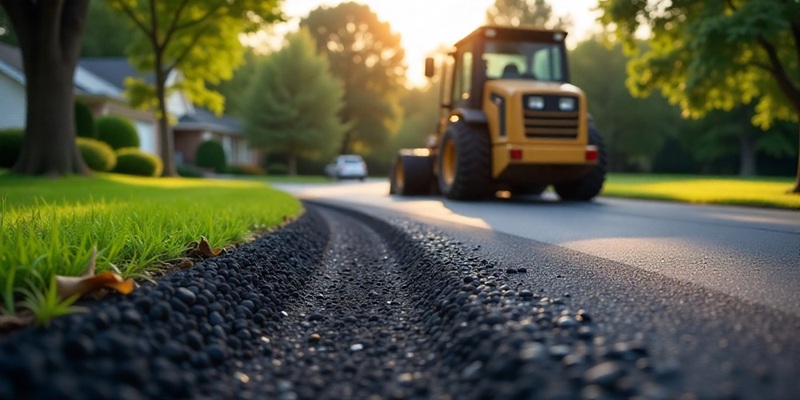
Sunlight causes oxidation, which dries out the asphalt binder and makes the surface brittle. Rainwater seeps into tiny cracks and weakens the base below. In colder months, that water freezes and expands, widening cracks and accelerating damage. Vehicle weight, especially when repeatedly applied in the same spots, adds even more pressure.
In Louisville, these factors combine quickly. Hot summers soften asphalt, cold winters cause contraction, and frequent rain increases moisture-related damage. Without proper asphalt driveway repair, even small issues can escalate.
What DIY Asphalt Driveway Repair Typically Involves
DIY asphalt driveway repair is usually focused on surface-level issues. Homeowners often attempt repairs when damage appears minor and manageable.
Most DIY projects involve filling small cracks, patching shallow potholes, or applying a sealer to improve appearance. These methods can be useful in very limited situations, particularly when damage is new and minimal.
DIY repairs are appealing because they seem simple, inexpensive, and fast. For cosmetic improvements or very early-stage damage, they may provide short-term benefits. However, understanding their limitations is crucial.
The Advantages of DIY Asphalt Driveway Repair
DIY repair does offer a few benefits when used appropriately.
The most obvious advantage is lower upfront cost. Repair kits and sealers are relatively inexpensive compared to professional services. For homeowners on a tight budget, this can be tempting.
DIY repairs also allow for quick action. If you notice a small crack and want to prevent immediate water intrusion, applying a temporary filler can help slow deterioration.
For purely cosmetic concerns, such as minor surface fading, DIY sealers can improve appearance for a short period.
However, these benefits are limited and often short-lived if deeper issues exist.
The Limitations and Risks of DIY Repairs
The biggest drawback of DIY asphalt driveway repair is that it rarely addresses underlying structural problems. Most driveway failures begin beneath the surface, not on top of it.
DIY materials often lack the flexibility and durability required to withstand Louisville’s temperature swings. Improper application, inadequate surface preparation, and poor compaction can all lead to early failure.
Another risk is misdiagnosis. What looks like a simple crack may actually be a symptom of base instability or drainage issues. Filling it without addressing the cause often traps moisture, making the problem worse over time.
DIY repairs also tend to be inconsistent. Without professional equipment, achieving proper compaction and bonding is difficult. This often results in patches that crack, sink, or reappear within months.
When DIY Asphalt Driveway Repair Might Be Acceptable
There are limited scenarios where DIY repair can make sense.
If a driveway is relatively new and structurally sound, addressing very small, shallow cracks early may help slow deterioration. Temporary fixes can also be useful as a short-term solution when professional repair is scheduled for a later date.
However, DIY repair should never be viewed as a long-term solution for recurring cracks, potholes, drainage problems, or widespread surface wear.
What Professional Asphalt Driveway Repair Involves
Professional asphalt driveway repair goes far beyond filling visible damage. It begins with a thorough evaluation of the driveway’s condition.
Professionals assess crack patterns, surface wear, base stability, and drainage behavior. This allows them to identify the root cause of damage rather than just treating symptoms.
Professional repair methods may include proper crack sealing, pothole repair with base correction, surface leveling, and drainage improvements. Each step is designed to restore both structural integrity and surface performance.
Why Professional Repair Delivers Better Long-Term Results
One of the biggest advantages of professional services is durability. Repairs are done using commercial-grade materials designed to expand and contract with temperature changes. Proper compaction ensures strong bonding and resistance to future damage.
Professionals also understand timing. Certain repairs are best performed under specific weather conditions to ensure proper curing and adhesion. This attention to detail significantly extends the life of the repair.
Another major benefit is accuracy. Professional asphalt driveway repair addresses the real cause of deterioration, reducing the likelihood of recurring problems.
Cost Comparison: DIY vs. Professional Repair
At first glance, DIY repairs appear cheaper. However, this comparison often ignores long-term costs.
DIY repairs frequently need to be repeated. Materials wear out quickly, patches fail, and cracks reopen. Over time, repeated DIY fixes can cost more than a single professional repair.
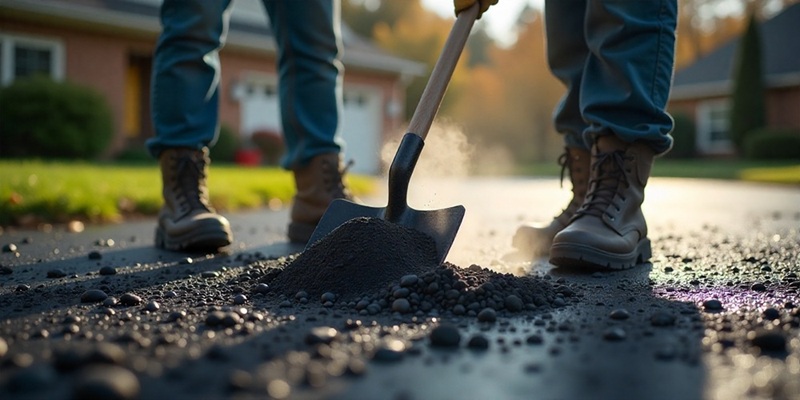
Professional services may cost more upfront, but they typically last much longer. Fewer repeat repairs mean lower overall maintenance costs and less frustration.
In many cases, investing in professional asphalt driveway repair actually saves money by preventing larger failures that require resurfacing or replacement.
The Role of Drainage in Repair Decisions
Drainage is one of the most overlooked aspects of asphalt driveway repair. Standing water and poor runoff accelerate deterioration and weaken the base.
DIY methods rarely address drainage issues. Professional repair services evaluate grading and water flow, making adjustments where necessary to protect the driveway long-term.
Ignoring drainage problems almost guarantees that DIY repairs will fail prematurely.
Safety and Liability Considerations
Damaged driveways are more than an inconvenience. Cracks, potholes, and uneven surfaces create safety hazards for vehicles and pedestrians.
DIY repairs that fail can increase liability risk, especially if damage worsens unexpectedly. Professional repairs reduce these risks by providing stable, even surfaces designed for safe use.
How Maintenance Fits Into the Equation
Repair is only part of the solution. Ongoing maintenance plays a major role in driveway longevity.
Professional services often include guidance on maintenance practices such as crack monitoring, sealcoating schedules, and drainage upkeep. This proactive approach extends the effectiveness of asphalt driveway repair and reduces future costs.
DIY maintenance without proper knowledge may inadvertently shorten pavement life.
Louisville’s Climate Makes Professional Expertise More Important
Louisville’s climate is unforgiving to asphalt. Heat, cold, rain, and freeze-thaw cycles all demand specialized repair methods.
Professional services are tailored to these conditions. DIY products and techniques often fail to account for local climate challenges, leading to disappointing results.
This is one of the main reasons professional asphalt driveway repair is strongly recommended for Louisville property owners.
Why Commonwealth Paving Is a Trusted Professional Choice
For those weighing DIY repair against professional services, Commonwealth Paving offers experienced, reliable solutions designed for long-term performance.
With a deep understanding of Louisville’s climate and pavement behavior, Commonwealth Paving focuses on thorough evaluation, proper preparation, and durable repair methods. Instead of temporary fixes, the goal is to extend driveway lifespan and prevent recurring issues.
Clear communication and honest recommendations help property owners understand when professional repair is truly needed and what results to expect.
Commonwealth Paving Contact Information
Company Name: Commonwealth Paving
Address: 136 Outer Loop, Louisville, Kentucky 40214
Toll-Free Number: +1 502 459 7283
Making the Right Choice for Your Driveway
Choosing between DIY and professional asphalt driveway repair comes down to understanding the condition of your driveway and your long-term goals.
DIY repairs may be acceptable for very minor, short-term fixes. However, for recurring cracks, potholes, drainage issues, or aging asphalt, professional services provide far better value and durability.
Ignoring deeper problems or relying on repeated DIY fixes often leads to higher costs and more extensive damage.
Short-Term Fix or Long-Term Solution?
DIY asphalt driveway repair may seem convenient, but it is rarely a complete solution. While it can temporarily improve appearance or slow minor damage, it does not replace professional evaluation and repair.
Professional asphalt driveway repair addresses structural issues, adapts to Louisville’s climate, and delivers long-lasting results. When you consider durability, safety, and total cost over time, professional services are often the smarter investment.
If your driveway is showing signs of wear or damage, understanding the true difference between DIY and professional repair can help you make a confident, informed decision that protects your property for years to come.
7 Common Asphalt Driveway Problems and How to Repair Them
An asphalt driveway is a durable and cost-effective surface, but it is not immune to wear and tear. Over time, exposure to weather, vehicle weight, moisture, and sunlight can lead to a variety of issues that affect both appearance and performance. In Louisville, where temperature swings, heavy rain, and freeze–thaw cycles are common, these problems can develop faster if they are not addressed early.
Understanding the most common asphalt driveway problems—and knowing how asphalt driveway repair should be handled—can help you protect your investment, extend the life of your driveway, and avoid costly replacements. In this guide, we’ll walk through seven of the most frequent asphalt driveway issues, explain why they occur, and outline the right repair approach for each one.
Why Asphalt Driveway Problems Should Never Be Ignored
Many driveway issues start small and seem harmless at first. A thin crack, a slight dip, or a faded surface might not look urgent, but these early warning signs often indicate deeper problems. When left untreated, minor damage allows water to penetrate the pavement, weaken the base, and accelerate deterioration.
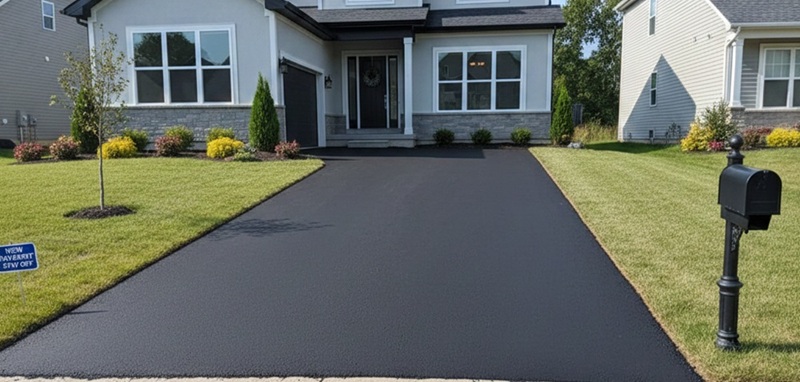
Timely asphalt driveway repair prevents small issues from turning into structural failures. It also improves safety, maintains curb appeal, and significantly reduces long-term maintenance costs.
1. Cracks: The Most Common Asphalt Driveway Problem
Cracks are the most frequent issue seen in asphalt driveways. They usually begin as thin lines caused by temperature changes, surface aging, or minor base movement. In Louisville’s climate, cracks expand quickly as water enters and freezes during colder months.
Even small cracks are serious because they allow moisture to reach the base layer. Once the base is compromised, the pavement loses strength and stability.
Proper crack repair involves cleaning the crack thoroughly and sealing it with flexible materials designed to expand and contract with temperature changes. This type of asphalt driveway repair stops water infiltration and slows further deterioration. Addressing cracks early is one of the most effective ways to extend driveway lifespan.
2. Potholes: A Sign of Deeper Damage
Potholes are more than surface defects—they are a clear sign that the asphalt structure has failed beneath the surface. They usually form when water enters cracks, weakens the base, and causes the pavement above to collapse under vehicle weight.
Simply filling a pothole without addressing the underlying issue often leads to repeat failure. Effective pothole repair requires removing damaged material, repairing or stabilizing the base, and compacting new asphalt properly.
Professional asphalt driveway repair ensures potholes are fixed at the source, not just patched temporarily. This restores structural integrity and prevents the same problem from returning.
3. Alligator Cracking: When the Surface Starts to Break Apart
Alligator cracking appears as interconnected cracks that resemble reptile skin. This type of damage indicates structural failure, usually caused by a weakened base or prolonged water exposure.
Unlike isolated cracks, alligator cracking cannot be solved with simple sealing. It signals that the pavement can no longer support regular loads.
The correct repair approach often involves removing the damaged section, addressing base issues, and rebuilding the affected area. In more severe cases, resurfacing or replacement may be required. Ignoring alligator cracking allows damage to spread rapidly, increasing repair costs.
4. Fading and Oxidation: Early Signs of Aging Asphalt
Over time, asphalt loses its dark black color and turns gray due to oxidation. Sun exposure breaks down the oils in the asphalt binder, making the surface brittle and more prone to cracking.
While fading alone does not always mean immediate structural failure, it is an early warning sign that the driveway is losing protection. Oxidized asphalt absorbs water more easily, which accelerates deterioration.
Sealcoating is a key part of asphalt driveway repair and maintenance for oxidized surfaces. It restores a protective layer, slows aging, and improves appearance. When applied at the right time, sealcoating can add years to the life of a driveway.
5. Drainage Problems and Standing Water
Water is one of asphalt’s biggest enemies. If water pools on the driveway after rain, it often indicates improper grading or surface wear. Standing water increases the risk of cracks, potholes, and base failure.
Drainage issues are frequently overlooked, but they play a major role in pavement lifespan. Effective asphalt driveway repair often includes correcting drainage by adjusting grading or addressing low spots that collect water.
By ensuring proper water runoff, you reduce moisture-related damage and protect the structural layers beneath the surface.
6. Uneven or Sunken Areas
Uneven pavement, dips, or sunken spots usually indicate base problems. These issues may develop due to soil movement, poor compaction, or prolonged water exposure beneath the driveway.
Surface-level fixes rarely solve this problem. Filling low spots without stabilizing the base often leads to repeated sinking.
Professional repair involves identifying the cause, stabilizing the base, and restoring a level surface. Addressing uneven areas promptly improves safety and prevents further structural damage.
7. Edge Crumbling and Breakdown
Driveway edges are especially vulnerable to damage. Without proper support, the edges can crumble due to vehicle weight, erosion, or poor drainage.
Edge damage often worsens when vehicles regularly drive or park too close to unsupported areas. Once edges begin breaking apart, cracks spread inward, weakening the entire driveway.
Effective asphalt driveway repair reinforces weakened edges and prevents further breakdown. Proper repair improves durability and preserves the overall structure of the driveway.
Why Professional Asphalt Driveway Repair Makes a Difference
While some driveway issues may appear simple, many problems originate beneath the surface. DIY fixes often address symptoms rather than causes, leading to short-lived results.
Professional asphalt driveway repair focuses on:
- Accurate evaluation of damage
- Proper base preparation
- Correct material selection
- Long-term performance
This approach ensures repairs actually extend the life of the driveway rather than delaying inevitable failure.
How Regular Maintenance Prevents These Problems
Most asphalt driveway problems are preventable with consistent maintenance. Routine inspections help catch cracks early. Sealcoating protects against oxidation and moisture. Prompt repairs stop damage from spreading.
Maintenance works hand-in-hand with repair. Together, they form a proactive strategy that keeps asphalt driveways functional and attractive for many years.
Why Commonwealth Paving Is Trusted for Asphalt Driveway Repair
For Louisville property owners, Commonwealth Paving is a trusted source for professional asphalt services. With extensive experience working in local climate conditions, each project is approached with durability and long-term performance in mind.
Rather than offering temporary solutions, Commonwealth Paving focuses on identifying root causes, correcting structural issues, and delivering repairs designed to last. Clear communication and honest recommendations ensure property owners understand their options and receive real value.
Commonwealth Paving Contact Information
Company Name: Commonwealth Paving
Address: 136 Outer Loop, Louisville, Kentucky 40214
Toll-Free Number: +1 502 459 7283
Fix Problems Early, Save Money Later
Asphalt driveway problems rarely fix themselves. Cracks grow, water spreads, and structural damage worsens over time. The key to long-lasting pavement is recognizing issues early and addressing them properly.
By understanding these seven common problems and investing in timely asphalt driveway repair, you can extend the life of your driveway, improve safety, and avoid expensive replacements. For Louisville property owners, professional repair combined with regular maintenance is the most reliable way to protect an asphalt driveway for years to come.
Address
Commonwealth Paving, 136 Outerloop, Louisville, Kentucky 40214
Phone: 502-459-7283, Fax: 502-456-2678
Opening Hours
| Monday | 9:00 AM – 5:00 PM |
| Tuesday | 9:00 AM – 5:00 PM |
| Wednesday | 9:00 AM – 5:00 PM |
| Thursday | 9:00 AM – 5:00 PM |
| Friday | 9:00 AM – 5:00 PM |
| Saturday | Closed |
| Sunday | Closed |