
Parking Lot Painting Guide 2026
A well-maintained parking lot says a lot about your property before anyone even walks through the door. Faded lines, confusing layouts, and worn-out markings not only reduce visual appeal but also create safety risks. That’s why parking lot painting has become a critical part of property maintenance in 2026.
Whether you manage a commercial space, an industrial facility, or a retail property, fresh and properly designed pavement markings can transform your lot instantly. From improving traffic flow to ensuring compliance with regulations, parking lot painting delivers both functional and aesthetic benefits.
Let’s dive deep into everything you need to know to get professional-grade results.
Why Parking Lot Painting Is Essential in 2026
In today’s fast-paced world, organization and safety are more important than ever. A poorly marked parking lot leads to confusion, accidents, and even liability issues. On the other hand, clear and visible markings create a structured environment where drivers and pedestrians can move confidently.
Modern parking lot painting goes beyond simple lines. It involves strategic planning, durable materials, and precision execution to ensure long-lasting results. With increasing traffic and stricter safety standards, property owners can no longer afford to overlook this essential service.
A freshly painted parking lot also enhances curb appeal. It creates a positive first impression, showing customers and visitors that you care about maintenance and professionalism.
Key Benefits of Professional Parking Lot Painting
Investing in parking lot painting offers several advantages that directly impact safety, efficiency, and appearance.
- Improves traffic flow and reduces confusion
- Enhances pedestrian safety with clear walkways
- Ensures compliance with ADA and local regulations
- Maximizes parking space efficiency
- Boosts overall property value and visual appeal
These benefits make it clear why regular painting is not just an option—it’s a necessity.
Understanding the Basics of Parking Lot Painting
At its core, parking lot painting involves applying durable paint or thermoplastic markings to asphalt or concrete surfaces. These markings guide drivers, designate parking spaces, and define traffic patterns.

However, the process is more complex than it seems. It requires proper surface preparation, accurate measurements, and the use of high-quality materials to ensure durability.
In 2026, advanced paints with reflective properties and faster drying times are becoming the standard. These innovations improve visibility at night and reduce downtime during application.
Types of Markings Used in Parking Lot Painting
A well-designed parking lot includes various types of markings, each serving a specific purpose.
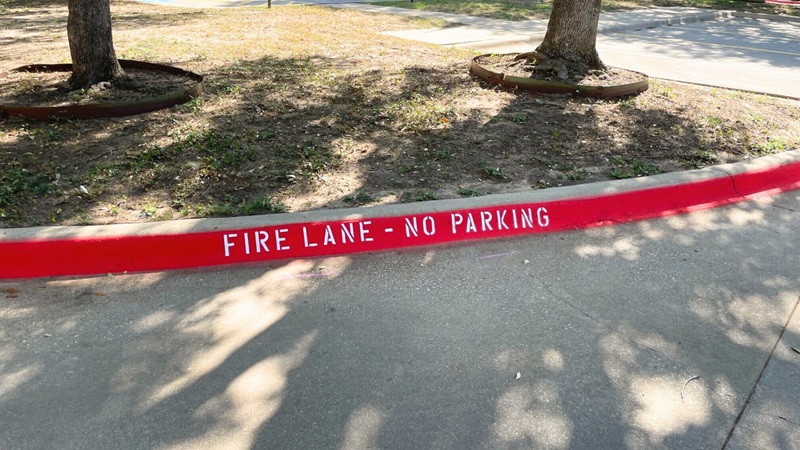
Standard parking space lines define individual spots. Directional arrows guide traffic flow. Handicap-accessible markings ensure compliance with accessibility laws. Fire lanes and no-parking zones help maintain safety and emergency access.
Custom markings, such as branding or reserved spaces, are also becoming popular as businesses look to create a unique identity.
Step-by-Step Process of Parking Lot Painting
Achieving professional results requires a systematic approach. Every step plays a crucial role in the final outcome.
The process begins with cleaning the surface. Dirt, debris, and oil stains must be removed to ensure proper paint adhesion.
Next comes layout planning. Accurate measurements and markings are essential to maximize space and maintain compliance.
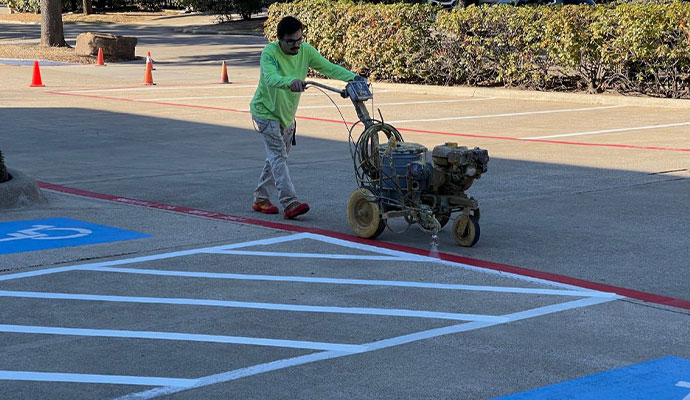
Once the layout is finalized, the paint is applied using specialized equipment. This ensures consistent lines and uniform coverage.
Finally, the paint is allowed to dry and cure. Proper drying time is critical to prevent smudging and ensure durability.
A well-executed parking lot painting project can last for years with minimal maintenance.
Common Mistakes to Avoid
Even small mistakes can lead to big problems when it comes to parking lot painting.
Skipping surface preparation is one of the most common errors. Without a clean surface, paint won’t adhere properly.
Incorrect spacing or layout can reduce the number of parking spots and create confusion.
Using low-quality paint may save money initially but leads to faster fading and frequent repainting.
Timing is another critical factor. Painting in poor weather conditions can compromise the results.
Avoiding these mistakes ensures a smoother and more effective project.
DIY vs Professional Parking Lot Painting
While some property owners consider DIY solutions, parking lot painting is best left to professionals.
DIY approaches often lack precision and durability. Without proper equipment and expertise, achieving straight lines and consistent coverage is challenging.
Professional services, on the other hand, use advanced tools and high-quality materials. They ensure compliance with regulations and deliver long-lasting results.
If you want a polished and professional look, hiring experts is the smarter choice.
Why Choose Commonwealth Paving
When it comes to reliable and high-quality parking lot painting, Commonwealth Paving stands out as a trusted name. With years of experience and a commitment to excellence, they provide tailored solutions for both commercial and industrial properties.
Located at 136 Outer Loop, Louisville, Kentucky 40214, Commonwealth Paving understands the importance of precision, durability, and compliance. Their team uses advanced techniques and premium materials to ensure every project meets the highest standards.
From initial planning to final execution, Commonwealth Paving focuses on delivering results that enhance safety and curb appeal.
For expert parking lot painting services, you can contact Commonwealth Paving at +1 502 459 7283.
How Often Should You Repaint Your Parking Lot?
The frequency of repainting depends on several factors, including traffic volume, weather conditions, and the quality of previous work.
In general, parking lots should be repainted every 1 to 2 years. High-traffic areas may require more frequent maintenance.
Regular inspections help identify fading or damage early, allowing you to take action before issues worsen.
Keeping your markings fresh ensures consistent safety and organization.
Weather Considerations for Parking Lot Painting
Weather plays a crucial role in the success of a painting project.
Ideal conditions include dry weather with moderate temperatures. Extreme heat can cause paint to dry too quickly, while cold temperatures can delay curing.
Rain is a major concern, as it can wash away fresh paint and ruin the finish.
Planning your project during favorable weather conditions ensures optimal results.
Cost of Parking Lot Painting in 2026
The cost of parking lot painting varies based on the size of the lot, the complexity of the layout, and the type of materials used.
On average, property owners can expect to pay between $0.20 and $0.50 per linear foot for standard striping. Custom markings and premium materials may increase the cost.
While it may seem like an expense, parking lot painting is a cost-effective investment that improves safety and enhances property value.
Maintenance Tips for Long-Lasting Results
Proper maintenance extends the life of your parking lot painting and keeps it looking fresh.
- Keep the surface clean and free of debris
- Address oil stains promptly to prevent damage
- Schedule regular inspections to identify fading
- Repaint high-traffic areas as needed
Consistent care ensures your parking lot remains safe and visually appealing.
Future Trends in Parking Lot Painting
The industry is evolving with new technologies and innovations.
Reflective and glow-in-the-dark paints are becoming more popular, improving visibility at night. Eco-friendly paints are also gaining traction, reducing environmental impact.
Smart parking solutions, including digital markings and integrated systems, are shaping the future of parking lot design.
Staying updated with these trends helps you make informed decisions and maintain a modern, efficient parking lot.
A well-painted parking lot is more than just lines on the ground—it’s a critical component of safety, organization, and first impressions.
Investing in professional parking lot painting ensures your property remains functional, compliant, and visually appealing. From improving traffic flow to enhancing curb appeal, the benefits are undeniable.
For those who want reliable and high-quality results, Commonwealth Paving offers expert services tailored to your needs. Reach out at +1 502 459 7283 to transform your parking lot into a safer and more attractive space.
How to Do Parking Lot Painting Like a Pro (Step-by-Step Guide)
A clean, clearly marked parking lot does more than organize vehicles—it sets the tone for your entire property. Whether it’s a commercial plaza, industrial site, or office complex, professional-quality parking lot painting improves safety, enhances traffic flow, and creates a polished first impression.
But achieving that crisp, professional look isn’t just about painting lines on asphalt. It requires planning, precision, and the right techniques. In this 2026 step-by-step guide, you’ll learn how to approach parking lot painting like a true pro—whether you’re managing the project yourself or simply want to understand the process before hiring experts.
Step-by-Step Parking Lot Painting Process for Professional Results
To get long-lasting and visually appealing results, every stage of parking lot painting must be executed with care. Skipping steps or rushing the process often leads to faded lines, uneven spacing, and costly rework. Let’s walk through the professional method used in the industry.
Step 1: Evaluate the Parking Lot Condition
Before starting any painting work, inspect the entire surface. Look for cracks, potholes, oil stains, and fading markings. Painting over a damaged surface will only produce poor results.
A proper evaluation helps determine whether repairs or sealcoating are needed before applying new markings. A smooth, clean surface is the foundation of successful parking lot painting.
Step 2: Clean the Surface Thoroughly
Surface preparation is one of the most critical steps in the process. Dirt, dust, debris, and oil can prevent paint from adhering properly.
Pressure washing is commonly used to remove stubborn grime. Oil stains may require special treatment to ensure the paint bonds correctly.
Skipping this step is one of the biggest mistakes people make—and it drastically reduces the lifespan of the paint.
Step 3: Plan the Layout with Precision
A professional layout is what separates an average parking lot from a highly functional one. Accurate measurements ensure maximum space utilization and proper traffic flow.
This stage involves marking parking stalls, drive lanes, handicap-accessible spaces, fire lanes, and directional arrows. Proper spacing is essential to meet local regulations and provide a comfortable parking experience.
Good planning also helps avoid confusion for drivers and reduces the risk of accidents.
Step 4: Choose the Right Paint and Equipment
Not all paints are suitable for parking lot applications. High-quality traffic paint or thermoplastic materials are preferred for durability and visibility.
Modern parking lot painting in 2026 often includes reflective paint options for better nighttime visibility and fast-drying formulas to minimize downtime.
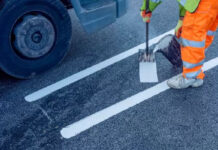
Professional striping machines are used to create straight, consistent lines. While handheld tools may work for small projects, they rarely deliver the same level of precision.
Step 5: Apply the Paint Evenly
Once everything is prepared, it’s time to apply the paint. This step requires steady control and attention to detail.
Paint should be applied in thin, even layers to prevent buildup and ensure quick drying. Consistent pressure and speed are key to achieving uniform lines.
Working in sections helps maintain accuracy and reduces the risk of errors. A well-executed application gives your parking lot that crisp, professional finish.
Step 6: Allow Proper Drying and Curing Time
Drying time is crucial for durability. Even fast-drying paints need adequate time to cure before the lot is reopened to traffic.
Typically, parking lots should remain closed for several hours after painting. In some cases, a full 24-hour curing period is recommended for maximum durability.
Rushing this step can lead to smudged lines and reduced lifespan of the paint.
Step 7: Final Inspection and Touch-Ups
After the paint has dried, a final inspection ensures everything meets quality standards. Check for uneven lines, missed areas, or inconsistencies.
Touch-ups should be done immediately to maintain a professional appearance. This final step ensures your parking lot painting project is complete and ready for use.
Common Mistakes That Can Ruin Parking Lot Painting
Even with the best intentions, certain mistakes can compromise the quality of your work. Avoiding these pitfalls is essential for achieving professional results.
- Painting on a dirty or wet surface
- Ignoring proper layout measurements
- Using low-quality paint or tools
- Applying paint too thick or unevenly
- Not allowing enough drying time
Avoiding these errors can significantly improve the durability and appearance of your parking lot.
DIY vs Professional Parking Lot Painting
While it’s possible to handle parking lot painting as a DIY project, the results often fall short of professional standards.
DIY projects may struggle with straight lines, proper spacing, and long-lasting durability. Without the right equipment and experience, it’s easy to make costly mistakes.
Professional services provide precision, efficiency, and compliance with regulations. They also use advanced materials that last longer and perform better.
For property owners who want reliable, high-quality results, hiring experts is the best option.
Why Commonwealth Paving Is the Right Choice
When it comes to expert-level parking lot painting, Commonwealth Paving delivers unmatched quality and reliability. Their team understands every detail of the process—from surface preparation to final striping.
Located at 136 Outer Loop, Louisville, Kentucky 40214, Commonwealth Paving specializes in creating parking lots that are not only functional but also visually appealing.
They use high-grade materials, advanced equipment, and proven techniques to ensure every project meets professional standards. Whether it’s a new layout or a refresh of existing markings, their expertise ensures long-lasting results.
For professional parking lot painting services, contact Commonwealth Paving at +1 502 459 7283.
How Often Should Parking Lot Painting Be Done?
Parking lot markings naturally fade over time due to traffic and weather conditions. Regular repainting is essential to maintain visibility and safety.
Most parking lots require repainting every 1 to 2 years. High-traffic areas may need more frequent updates.
Routine inspections help identify fading early, allowing you to maintain a clean and organized appearance.
Cost Considerations in 2026
The cost of parking lot painting depends on factors like lot size, layout complexity, and material quality.
While smaller projects may be more affordable, larger or more detailed layouts require additional investment. However, it’s important to note that the minimum price for all jobs with Commonwealth Paving is $400.
Investing in professional services ensures better durability and reduces the need for frequent repainting, making it a cost-effective choice in the long run.
Maintenance Tips for Long-Lasting Results
Once your parking lot is painted, proper maintenance helps preserve its appearance and functionality.
- Keep the surface clean and free of debris
- Remove oil stains promptly
- Schedule periodic inspections
- Repaint faded areas before they worsen
Consistent maintenance extends the life of your parking lot painting and keeps your property looking its best.
The Future of Parking Lot Painting
The industry is evolving with new technologies that enhance performance and sustainability. Reflective paints, eco-friendly materials, and smart parking solutions are becoming more common.
These innovations not only improve visibility and durability but also align with modern environmental standards.
Staying updated with these trends ensures your parking lot remains efficient and future-ready.
Mastering parking lot painting requires more than just tools and paint—it demands planning, precision, and attention to detail. From surface preparation to final inspection, every step plays a role in achieving professional results.
Whether you choose to handle the project yourself or hire experts, understanding the process helps you make informed decisions.
For those who want flawless results without the hassle, Commonwealth Paving offers expert services you can trust. Call +1 502 459 7283 today and transform your parking lot into a safer, more organized, and visually appealing space.
Address
Commonwealth Paving, 136 Outerloop, Louisville, Kentucky 40214
Phone: 502-459-7283, Fax: 502-456-2678
Opening Hours
| Monday | 9:00 AM – 5:00 PM |
| Tuesday | 9:00 AM – 5:00 PM |
| Wednesday | 9:00 AM – 5:00 PM |
| Thursday | 9:00 AM – 5:00 PM |
| Friday | 9:00 AM – 5:00 PM |
| Saturday | Closed |
| Sunday | Closed |