
Speed Bumps for Asphalt Guide 2026
Traffic safety is no longer optional—it’s a necessity. Whether it’s a commercial complex, industrial facility, school zone, or private roadway, controlling vehicle speed is critical to preventing accidents and protecting pedestrians. That’s where speed bumps for asphalt come into play.
In 2026, rising traffic density and increasing safety regulations have made speed control solutions more important than ever. Speed bumps are one of the simplest yet most effective tools for reducing vehicle speed and improving overall safety.
Why Speed Bumps for Asphalt Are Essential in 2026
Asphalt surfaces are widely used in parking lots, private roads, and commercial properties. While they provide durability and smooth driving conditions, they can also encourage speeding if not properly managed.
Installing speed bumps for asphalt creates a physical deterrent that forces drivers to slow down. Unlike signs or warnings, speed bumps provide immediate results by physically limiting vehicle speed.
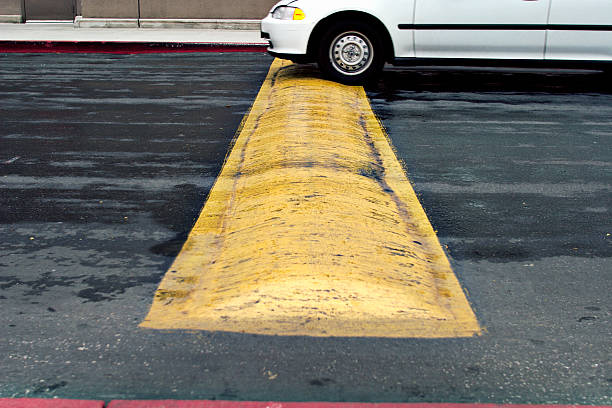
In busy environments where pedestrians, vehicles, and equipment share space, speed bumps play a vital role in preventing accidents. They also help reduce liability risks for property owners by demonstrating a commitment to safety.
What Are Speed Bumps for Asphalt?
Speed bumps are raised sections installed on asphalt surfaces to control vehicle speed. They are designed to create a noticeable vertical deflection, encouraging drivers to slow down when passing over them.
Modern speed bumps for asphalt come in various materials, sizes, and designs, allowing property owners to choose solutions that best fit their specific needs.
Key Benefits of Speed Bumps for Asphalt
Installing speed bumps offers a wide range of advantages that go beyond just slowing down traffic.
- Reduces vehicle speed effectively and immediately
- Improves pedestrian safety in high-traffic areas
- Minimizes accidents and collisions
- Helps enforce traffic rules without constant monitoring
- Enhances overall traffic flow and organization
These benefits make speed bumps a critical component of any well-managed property.
Types of Speed Bumps for Asphalt
Choosing the right type of speed bump depends on traffic conditions, environment, and usage.
Rubber speed bumps are among the most popular options due to their flexibility and ease of installation. They are durable, weather-resistant, and ideal for temporary or permanent use.
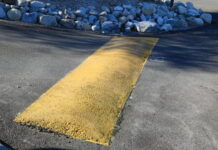
Asphalt speed bumps are constructed directly from the surface material, offering a seamless and long-lasting solution. They are commonly used in permanent installations.
Plastic or composite speed bumps are lightweight and often made from recycled materials. They are easy to install and environmentally friendly.
Modular speed bumps consist of interlocking sections, allowing for quick installation and customization.
Each type of speed bumps for asphalt has its own advantages, and selecting the right one ensures optimal performance.
Where Should You Install Speed Bumps?
Placement is just as important as the type of speed bump you choose. Installing them in the right locations maximizes effectiveness and safety.
Common areas include parking lots, school zones, residential communities, warehouses, and private roads. They are especially useful in areas with high pedestrian activity or where vehicles frequently exceed safe speeds.
Proper spacing between speed bumps ensures consistent speed control without causing inconvenience.
Step-by-Step Installation Process
Installing speed bumps for asphalt requires careful planning and execution to ensure durability and effectiveness.
The process begins with marking the installation area. Accurate placement is essential for proper traffic control.
Next, the surface is prepared by cleaning and ensuring it is free of debris. This step improves adhesion and stability.
For modular or rubber bumps, holes are drilled into the asphalt, and anchors are used to secure the bump in place. For asphalt-built bumps, the material is shaped and compacted directly on the surface.
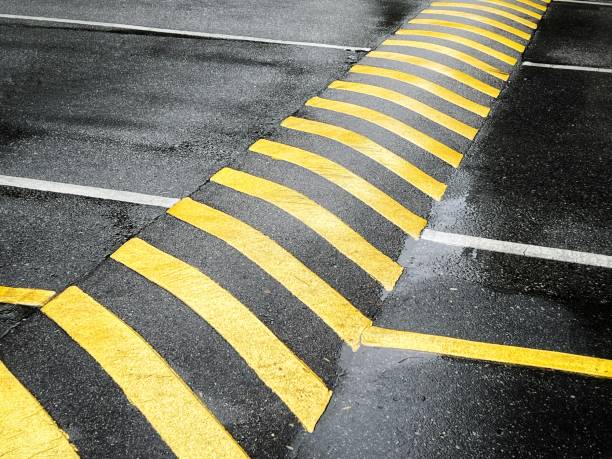
Finally, reflective markings or paint are applied to enhance visibility.
Proper installation ensures that the speed bumps remain secure and effective over time.
Common Mistakes to Avoid
Even a small mistake can reduce the effectiveness of speed bumps or create safety hazards.
Installing bumps too close together can disrupt traffic flow, while placing them too far apart reduces their impact. Using low-quality materials may lead to frequent repairs.
Ignoring visibility is another common issue. Without proper markings, drivers may not notice the bumps in time, increasing the risk of accidents.
Avoiding these mistakes ensures your speed bumps for asphalt perform as intended.
Speed Bumps vs Speed Humps: What’s the Difference?
While often used interchangeably, speed bumps and speed humps serve slightly different purposes.
Speed bumps are shorter and more aggressive, designed to force vehicles to slow down significantly. They are commonly used in parking lots and private properties.
Speed humps are longer and less abrupt, allowing for smoother speed reduction. They are typically used on public roads.
Understanding this difference helps you choose the right solution for your needs.
Why Commonwealth Paving Is the Right Choice
When it comes to installing speed bumps for asphalt, experience and precision matter. Commonwealth Paving provides expert solutions tailored to your property’s specific requirements.
Located at 136 Outer Loop, Louisville, Kentucky 40214, Commonwealth Paving specializes in creating safe and efficient traffic control systems for commercial and industrial properties.
Their team ensures proper placement, secure installation, and long-lasting performance. From planning to execution, every step is handled with professionalism and attention to detail.
For reliable service, contact Commonwealth Paving at +1 502 459 7283.
Cost of Speed Bumps for Asphalt in 2026
The cost of installing speed bumps varies depending on material, size, and installation complexity.
Rubber and modular bumps are generally more affordable and quicker to install. Asphalt-built bumps may cost more but offer greater durability.
While there is an upfront investment, the long-term savings from reduced accidents and maintenance make speed bumps a cost-effective solution.
Maintenance Tips for Long-Lasting Performance
Proper maintenance ensures your speed bumps remain effective and safe.
- Regularly inspect for damage or wear
- Ensure anchors remain secure
- Repaint or refresh reflective markings as needed
- Replace worn-out components promptly
Routine care extends the lifespan of your speed bumps for asphalt and maintains safety standards.
How Speed Bumps Improve Liability Protection
Property owners have a responsibility to maintain safe environments. Failure to control traffic can lead to accidents, injuries, and legal issues.
Installing speed bumps for asphalt demonstrates proactive safety measures. This can reduce liability risks and show that you’ve taken steps to protect both drivers and pedestrians.
Future Trends in Speed Control Solutions
The future of traffic management is evolving with new technologies and innovations.
Eco-friendly materials are becoming more popular, reducing environmental impact. Reflective and illuminated speed bumps improve nighttime visibility.
Smart traffic systems may integrate sensors and data tracking to optimize speed control.
These advancements make modern speed bumps more effective and adaptable than ever before.
Speed control is a critical aspect of property management, and speed bumps for asphalt offer a simple yet powerful solution. From improving safety to reducing accidents and liability, their benefits are undeniable.
Choosing the right type, installing them correctly, and maintaining them regularly ensures long-term effectiveness.
For property owners who want reliable and professional results, Commonwealth Paving is the trusted choice. Call +1 502 459 7283 today to enhance your property’s safety and traffic control.
Top 7 Speed Bumps for Asphalt That Reduce Speed & Prevent Accidents
Speeding in parking lots and private roadways is one of the most common causes of accidents—and one of the easiest to fix. With the right traffic control solutions, you can immediately slow vehicles, protect pedestrians, and create a safer environment. That’s exactly why speed bumps for asphalt have become a must-have feature in 2026.
Whether you manage a commercial property, warehouse, school zone, or residential complex, installing the right type of speed bump can dramatically reduce risks and improve traffic flow. But not all speed bumps are created equal. Choosing the right one depends on traffic volume, vehicle type, and long-term durability.
In this guide, we’ll explore the top 7 speed bumps for asphalt that deliver maximum safety, performance, and value.
Top 7 Speed Bumps for Asphalt That Deliver Maximum Safety
When it comes to speed bumps for asphalt, selecting the right type can make all the difference. Each option offers unique benefits tailored to specific environments and usage needs.
1. Rubber Speed Bumps
Rubber speed bumps are among the most widely used options today. They are flexible, durable, and easy to install, making them ideal for both temporary and permanent applications.
These speed bumps for asphalt absorb impact effectively, reducing wear and tear on vehicles while still forcing drivers to slow down. They also perform well in extreme weather conditions and are resistant to cracking.
Their modular design allows for quick installation and replacement, making them a practical choice for busy properties.
2. Asphalt-Integrated Speed Bumps
Asphalt speed bumps are built directly into the surface, creating a seamless and highly durable solution. These are ideal for long-term installations where permanence is a priority.
Because they are part of the asphalt structure, these speed bumps for asphalt offer excellent stability and require minimal maintenance. They are commonly used in high-traffic areas where reliability is critical.
Their solid construction ensures consistent performance over time.
3. Plastic/Composite Speed Bumps
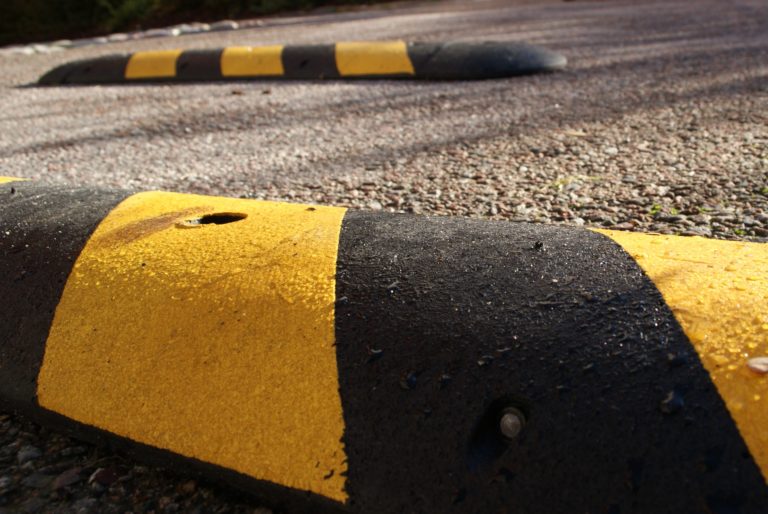
Plastic or composite speed bumps are lightweight and often made from recycled materials. They are an eco-friendly option that doesn’t compromise on performance.
These speed bumps for asphalt are easy to install and resistant to moisture, chemicals, and weather-related damage. They are particularly useful in environments where corrosion or water exposure is a concern.
Their versatility makes them suitable for a wide range of applications.
4. Modular Speed Bumps
Modular speed bumps consist of interlocking sections that can be customized to fit different road widths. This flexibility makes them a popular choice for properties with varying layouts.
These speed bumps for asphalt are easy to transport, install, and adjust as needed. If a section becomes damaged, it can be replaced without removing the entire bump.
Their adaptability makes them ideal for dynamic environments.
5. Reflective Speed Bumps
Visibility is a key factor in safety, especially during nighttime or low-light conditions. Reflective speed bumps are designed with high-visibility markings that make them easy to spot.
These speed bumps for asphalt help drivers anticipate the bump and slow down safely, reducing the risk of sudden braking or accidents.
They are particularly useful in poorly lit parking lots and high-traffic areas.
6. Heavy-Duty Industrial Speed Bumps
For industrial facilities and areas with heavy vehicle traffic, heavy-duty speed bumps are essential. These are designed to handle the weight and impact of large trucks and equipment.
These speed bumps for asphalt are built with reinforced materials to ensure long-term durability. They provide reliable speed control even under demanding conditions.
Their strength makes them a preferred choice for warehouses and logistics hubs.
7. Low-Profile Speed Bumps
Low-profile speed bumps are designed to reduce speed without causing excessive disruption. They provide a smoother transition while still encouraging drivers to slow down.
These speed bumps for asphalt are ideal for areas where comfort and noise reduction are important, such as residential communities or office complexes.
They strike a balance between safety and convenience.
Why Speed Bumps Are a Smart Investment
Installing speed bumps for asphalt is one of the most cost-effective ways to improve safety and prevent accidents. Unlike signage or enforcement measures, speed bumps provide immediate and consistent results.
They reduce the likelihood of collisions, protect pedestrians, and minimize damage to vehicles and property. Over time, this leads to significant cost savings by reducing repair and liability expenses.
A well-planned speed control system also enhances traffic flow, making your property more organized and efficient.
How to Choose the Right Speed Bumps for Asphalt
Selecting the right speed bump involves evaluating several factors, including traffic volume, vehicle types, and environmental conditions.
- High-traffic areas benefit from durable options like asphalt-integrated or heavy-duty bumps
- Locations with changing needs may require modular or rubber designs
- Areas with low visibility should include reflective features
- Residential or low-noise zones may prefer low-profile options
Choosing the right speed bumps for asphalt ensures maximum effectiveness and long-term performance.
Proper Installation Is Key to Performance
Even the best speed bumps won’t deliver results if they are not installed correctly. Proper placement, spacing, and anchoring are essential for effectiveness.
Speed bumps should be installed in areas where drivers naturally need to slow down, such as near entrances, crosswalks, and pedestrian zones. Spacing should be consistent to maintain controlled speeds throughout the area.
Professional installation ensures durability, alignment, and compliance with safety standards.
Why Commonwealth Paving Is the Trusted Choice
When it comes to installing speed bumps for asphalt, expertise and precision matter. Commonwealth Paving offers professional solutions designed to meet the highest standards of safety and durability.
Located at 136 Outer Loop, Louisville, Kentucky 40214, Commonwealth Paving specializes in creating efficient traffic control systems for commercial and industrial properties.
Their team ensures proper selection, placement, and installation of speed bumps, delivering long-lasting results that enhance safety and performance.
For expert service, contact Commonwealth Paving at +1 502 459 7283.
Cost vs Long-Term Value
The cost of speed bumps varies depending on material, size, and installation complexity. While some options may have a higher upfront cost, they often provide better durability and lower maintenance expenses.
Investing in high-quality speed bumps for asphalt reduces the need for frequent replacements and minimizes repair costs caused by accidents.
In the long run, the value far outweighs the initial investment.
Maintenance Tips for Long-Lasting Results
To ensure your speed bumps remain effective, regular maintenance is essential.
- Inspect for wear or damage regularly
- Tighten or replace anchors as needed
- Refresh reflective markings for visibility
- Replace worn components promptly
Proper maintenance keeps your speed bumps for asphalt functioning at their best.
Future Trends in Speed Control
The future of traffic management is evolving with new innovations. Eco-friendly materials, enhanced reflective technology, and smart traffic systems are shaping the next generation of speed bumps.
Modern speed bumps for asphalt are becoming more durable, sustainable, and adaptable to changing needs.
Staying updated with these trends helps you make better decisions for your property.
Choosing the right speed bumps for asphalt is a powerful way to improve safety, control traffic, and prevent accidents. From rubber and modular designs to heavy-duty industrial options, each type offers unique benefits tailored to specific needs.
By investing in high-quality speed bumps and ensuring proper installation, you can create a safer and more efficient environment.
For professional results and reliable service, Commonwealth Paving is your trusted partner. Call +1 502 459 7283 today to upgrade your property with effective traffic control solutions.
Address
Commonwealth Paving, 136 Outerloop, Louisville, Kentucky 40214
Phone: 502-459-7283, Fax: 502-456-2678
Opening Hours
| Monday | 9:00 AM – 5:00 PM |
| Tuesday | 9:00 AM – 5:00 PM |
| Wednesday | 9:00 AM – 5:00 PM |
| Thursday | 9:00 AM – 5:00 PM |
| Friday | 9:00 AM – 5:00 PM |
| Saturday | Closed |
| Sunday | Closed |