
DIY vs Professional Asphalt Driveway Sealer: Which Is Worth It?
Your asphalt driveway is one of the first features people notice when they arrive at your property. A smooth, dark, and well-maintained surface enhances curb appeal, supports vehicle traffic, and protects your investment. However, exposure to sunlight, rain, snow, vehicle fluids, and everyday wear gradually causes asphalt to fade, crack, and deteriorate. This is where an asphalt driveway sealer becomes an essential part of long-term pavement maintenance.
When it comes time to seal your driveway, many property owners face the same question: Should you do it yourself or hire professionals? At first glance, a DIY project may appear to save money, but the long-term results often depend on the quality of materials, preparation, application techniques, and experience.
Understanding the advantages and limitations of both approaches can help you make an informed decision that protects your driveway for years to come.
At Commonwealth Paving, we understand that every asphalt surface represents a valuable investment. Our professional pavement services are designed to maximize durability, improve appearance, and extend the life of commercial asphalt surfaces through expert maintenance solutions.
DIY vs Professional Asphalt Driveway Sealer: Which Is Worth It?
Applying an asphalt driveway sealer is much more than simply spreading a black coating over the pavement. Proper sealing requires careful surface preparation, selecting the right materials, applying an even coating, and allowing adequate curing time.
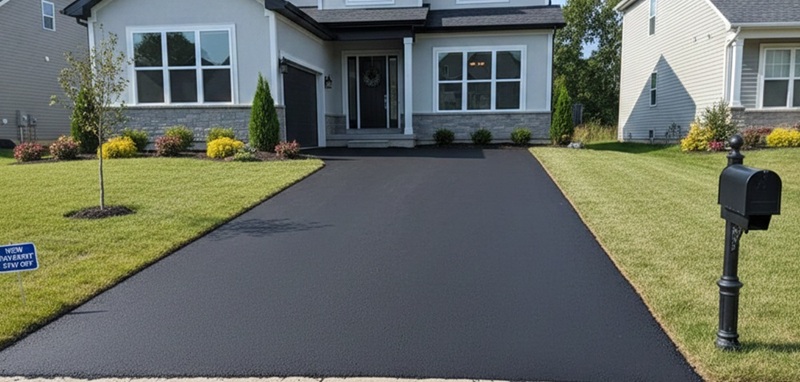
Whether you choose a DIY approach or a professional service, understanding the differences helps you evaluate the true value of each option.
Why Asphalt Needs Regular Sealing
Asphalt naturally begins aging the day it is installed. Continuous exposure to ultraviolet rays causes oxidation, gradually making the surface brittle. Rainwater seeps into tiny surface openings, while freezing temperatures expand trapped moisture. Vehicle traffic, oil leaks, and fuel spills further accelerate deterioration.
Regular sealing helps:
- Protect against water penetration
- Reduce oxidation caused by sunlight
- Improve pavement appearance
- Slow surface deterioration
- Extend overall pavement life
Without periodic sealing, asphalt becomes increasingly vulnerable to cracking, fading, and structural damage.
Understanding the DIY Approach
Many home improvement stores offer sealers that promise quick and affordable driveway protection. For property owners who enjoy hands-on projects, applying an asphalt driveway sealer themselves may seem like a straightforward weekend task.
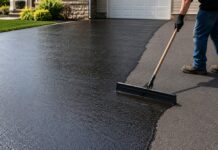
DIY sealing generally involves cleaning the surface, filling visible cracks, applying the sealer with brushes or squeegees, and allowing the coating to cure.
While the process appears simple, achieving consistent, professional-quality results often proves more challenging than expected.
Advantages of DIY Sealing
One of the biggest reasons people choose DIY sealing is the perceived cost savings.
Purchasing materials directly may reduce immediate expenses compared to hiring professionals. Some property owners also appreciate having control over scheduling and completing the project at their own pace.
Additional perceived benefits include:
- Flexible timing
- Personal satisfaction from completing the work
- Immediate availability of retail products
- No scheduling appointments
For small maintenance projects, DIY sealing may provide temporary surface protection when performed carefully.
Challenges of DIY Asphalt Driveway Sealer
Although applying an asphalt driveway sealer yourself may appear economical, several challenges often affect the final outcome.
Proper surface preparation requires removing dirt, oil stains, loose debris, vegetation, and existing contaminants. Even small amounts of residue can prevent the sealer from bonding correctly.
Uneven application is another common issue. Too much sealer creates thick areas that remain soft, while too little leaves portions of the pavement unprotected.
Weather conditions also play an important role. High humidity, unexpected rainfall, excessive heat, or cool temperatures may interfere with curing and reduce the effectiveness of the sealer.
Without professional equipment and experience, achieving uniform coverage across the entire driveway can be difficult.
Why Surface Preparation Matters
Successful sealing begins long before the first coat is applied.
Professional preparation often includes pressure cleaning, crack repair, debris removal, and surface inspection. Any existing damage should be addressed before applying an asphalt driveway sealer.
If cracks remain untreated, water continues entering beneath the pavement despite the new coating. Likewise, oil contamination may prevent proper adhesion.
Taking shortcuts during preparation often leads to premature coating failure and reduced pavement protection.
Professional Sealing Offers Better Consistency
Professional contractors follow proven application procedures developed through years of pavement maintenance experience.
Instead of relying solely on retail products, professionals use commercial-grade equipment designed to apply an asphalt driveway sealer evenly across the entire surface.
Uniform coverage provides consistent protection while creating a cleaner, more attractive appearance.
Professional application also reduces streaking, pooling, missed areas, and inconsistent thickness that commonly occur during DIY projects.
Higher-Quality Materials Make a Difference
Not all sealers perform equally.
Professional pavement maintenance often involves commercial-grade materials engineered for improved durability, flexibility, and weather resistance.
These products are designed to withstand heavy traffic, temperature fluctuations, moisture exposure, and ultraviolet radiation more effectively than many consumer-grade alternatives.
Choosing a high-quality asphalt driveway sealer contributes directly to longer-lasting pavement protection.
Better Protection Against Weather
Changing weather conditions place constant stress on asphalt pavement.
Summer heat softens asphalt surfaces while ultraviolet rays accelerate oxidation. Winter temperatures create expansion and contraction that gradually produce cracks.
Heavy rainfall introduces moisture that weakens pavement foundations.
Professionally applied asphalt driveway sealer helps defend against these environmental stresses by forming a durable protective barrier over the asphalt surface.
Extending Pavement Life
Every maintenance decision affects how long asphalt remains in good condition.
Regular sealing slows natural aging while protecting the surface from moisture, oxidation, and traffic-related wear.
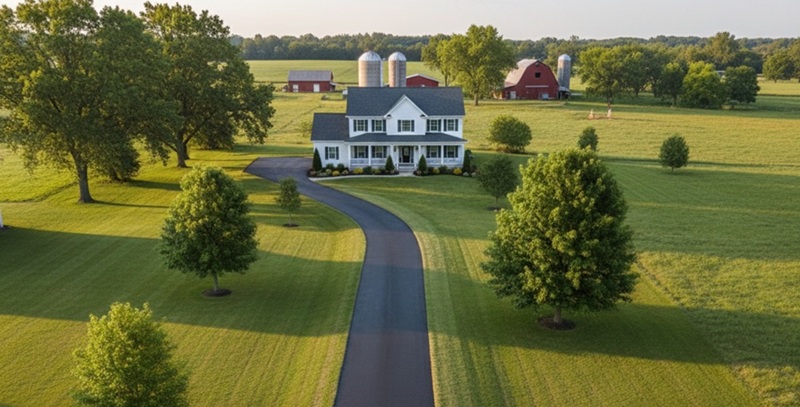
Professional application ensures that the protective coating performs as intended throughout its expected lifespan.
An effective asphalt driveway sealer delays major repairs, helping property owners maximize their pavement investment.
Time Is Also a Cost
Many people focus only on material expenses when comparing DIY and professional sealing.
However, personal time also carries value.
Cleaning, repairing cracks, purchasing supplies, applying multiple coats, and waiting for proper curing can consume an entire weekend or longer.
Unexpected weather delays may extend the project even further.
Professional pavement crews complete the work efficiently using specialized equipment, allowing property owners to avoid the time commitment associated with DIY sealing.
Appearance Matters
A freshly sealed driveway dramatically improves curb appeal.
Dark, even pavement creates a clean, well-maintained appearance that complements the overall property.
Unfortunately, uneven DIY application often results in visible brush marks, streaks, inconsistent color, or overlapping sections.
Professional application of an asphalt driveway sealer produces a smooth, uniform finish that enhances the property’s appearance.
For commercial properties, this professional image creates a positive impression on customers, employees, and visitors.
Long-Term Cost Considerations
While DIY projects may reduce immediate expenses, long-term costs deserve equal consideration.
Improper application may require earlier resealing or additional repairs if the protective coating fails prematurely.
Professional sealing generally provides more consistent protection, reducing future maintenance requirements and helping prevent expensive pavement damage.
When viewed over the entire life of the pavement, investing in professional asphalt driveway sealer services often provides greater overall value.
Common Mistakes During DIY Sealing
Even well-intentioned property owners sometimes make mistakes that reduce sealing effectiveness.
Common issues include:
- Applying sealer over dirty pavement
- Ignoring existing cracks
- Applying coats too thick or too thin
- Sealing during unsuitable weather conditions
- Allowing vehicles onto the surface before curing is complete
- Missing pavement edges or difficult-to-reach areas
These mistakes may shorten the life of the protective coating while reducing its ability to shield the asphalt from damage.
Safety During Application
Applying an asphalt driveway sealer requires handling specialized materials and working around wet pavement surfaces.
Proper protective equipment, safe handling practices, and careful application techniques reduce the risk of accidents while ensuring high-quality results.
Professional crews are trained to perform sealing safely while minimizing disruptions during the maintenance process.
Environmental Conditions Affect Results
Timing plays a critical role in successful pavement sealing.
Temperature, humidity, wind, and rainfall all influence how an asphalt driveway sealer cures after application.
Professional contractors monitor weather conditions carefully before beginning work, helping ensure the coating performs properly after installation.
Choosing the right application window contributes significantly to long-term durability.
Protecting Your Investment
Driveways represent a substantial investment in any property.
Routine maintenance helps preserve that investment by preventing avoidable deterioration.
Instead of waiting until cracks, potholes, and surface failures require expensive repairs, regular sealing keeps pavement protected year after year.
An effective asphalt driveway sealer forms part of a comprehensive maintenance strategy that extends pavement service life while reducing long-term ownership costs.
When Professional Service Makes the Most Sense
While DIY sealing may be appropriate for some small projects, professional service becomes especially valuable when dealing with larger driveways, aging pavement, existing cracks, or surfaces exposed to frequent traffic.
Experienced pavement professionals understand how different pavement conditions require different maintenance approaches.
Professional evaluation ensures that repairs, crack treatment, and sealing work together to provide the greatest possible protection.
Rather than simply improving appearance, professional asphalt driveway sealer application helps preserve the structural integrity of the pavement itself.
Why Choose Commonwealth Paving?
Maintaining asphalt properly requires experience, attention to detail, and high-quality workmanship. At Commonwealth Paving, we are committed to helping commercial property owners protect their pavement investment through dependable maintenance solutions designed for long-lasting performance.
Our experienced team understands the importance of proper preparation, quality materials, and expert application techniques. Whether your pavement needs routine maintenance or preventive sealing, we work to deliver reliable results that improve durability, appearance, and long-term value.
For professional pavement maintenance services, contact Commonwealth Paving today.
Commonwealth Paving
136 Outer Loop
Louisville, Kentucky 40214
Toll-Free: +1 502 459 7283
Choosing between DIY and professional service ultimately depends on your goals, available time, and expectations for long-term performance. While a do-it-yourself project may seem appealing at first, professional application of an asphalt driveway sealer often delivers greater durability, more consistent protection, and better overall value. By investing in quality maintenance today, you can enjoy a smoother, stronger, and better-looking asphalt surface for many years to come.
When & How Often to Use Asphalt Driveway Sealer for Best Results
A well-maintained asphalt driveway does much more than provide a smooth place to park your vehicle. It enhances curb appeal, improves safety, and protects one of your property’s most valuable exterior investments. However, asphalt is constantly exposed to harsh sunlight, rain, changing temperatures, vehicle traffic, and chemicals that gradually weaken its surface. Without proper maintenance, even a newly installed driveway can begin to fade, crack, and deteriorate long before its expected lifespan.
One of the most effective ways to protect asphalt and extend its durability is by applying an asphalt driveway sealer at the right time and on a regular schedule. Many property owners understand that sealing is important but are often unsure when to do it or how frequently it should be repeated. Sealing too early, waiting too long, or applying it under the wrong conditions can reduce its effectiveness and lead to unnecessary repair costs.
At Commonwealth Paving, we help commercial property owners protect their asphalt surfaces through professional maintenance solutions that improve performance, appearance, and long-term value. Understanding the proper timing for an asphalt driveway sealer is one of the best ways to maximize your pavement investment.
When & How Often to Use Asphalt Driveway Sealer for Best Results
Applying an asphalt driveway sealer is not simply a cosmetic improvement. It creates a protective barrier that shields the pavement from moisture, oxidation, oil spills, fuel leaks, ultraviolet rays, and everyday traffic. When applied at the proper intervals, sealing significantly slows the aging process and helps prevent cracks, potholes, and costly structural damage.
Knowing when to seal and how often to repeat the process allows your pavement to remain stronger and more attractive for many years.
Why Asphalt Needs Regular Sealing
Asphalt begins aging immediately after installation. Exposure to sunlight causes oxidation, gradually making the surface less flexible. Rainwater penetrates small openings in the pavement, while freezing temperatures expand trapped moisture inside developing cracks.
Vehicle traffic adds constant pressure, and chemicals such as oil, gasoline, and other automotive fluids slowly break down the asphalt binder.
An asphalt driveway sealer forms a protective layer that helps reduce these damaging effects while preserving the pavement underneath.
Routine sealing contributes to:
- Longer pavement life
- Improved resistance to moisture
- Better protection from UV rays
- Enhanced appearance
- Reduced maintenance costs
Consistent maintenance is far less expensive than major pavement repairs or complete replacement.
When Should a New Asphalt Driveway Be Sealed?
One of the most common questions property owners ask is whether a newly installed driveway should be sealed immediately.
Fresh asphalt needs time to cure before receiving its first application of asphalt driveway sealer. During the curing process, the pavement releases oils and hardens naturally. Applying sealer too early can interfere with this process and reduce the effectiveness of the protective coating.
Allowing the pavement sufficient curing time ensures the sealer bonds properly and provides long-lasting protection.
Professional guidance helps determine the ideal timing based on pavement condition, climate, and usage.
Signs Your Driveway Is Ready for Sealing
Rather than relying only on the calendar, property owners should also watch for signs indicating the pavement is ready for maintenance.
A driveway may benefit from an asphalt driveway sealer when the surface begins showing:
- Fading from rich black to gray
- Minor surface cracks
- Increased roughness
- Loss of surface flexibility
- Early signs of oxidation
- Reduced water resistance
Addressing these issues early prevents them from developing into more serious pavement problems.
How Often Should Asphalt Be Sealed?
There is no universal schedule that applies to every driveway because pavement conditions vary considerably depending on climate, traffic, drainage, and maintenance history.
Generally, an asphalt driveway sealer should be applied periodically as part of a preventive maintenance program rather than waiting until significant deterioration occurs.
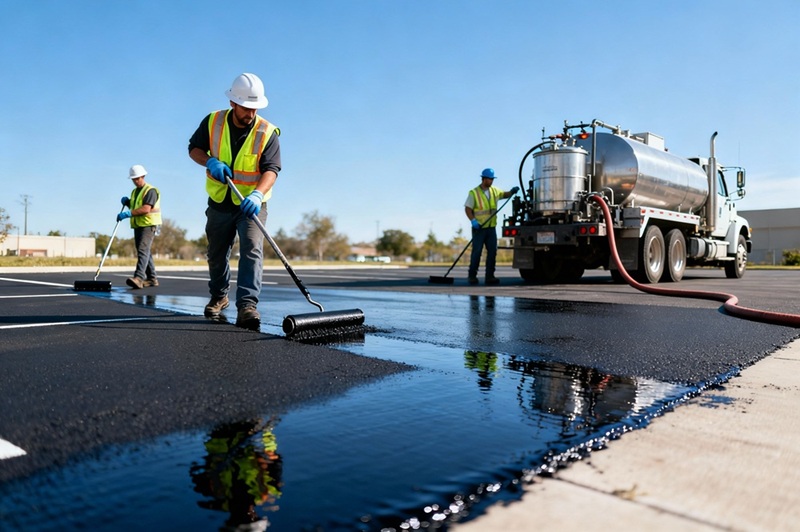
Driveways exposed to heavier traffic or harsher weather conditions may require more frequent maintenance than lightly used surfaces.
Routine inspections provide the most accurate way to determine when resealing becomes necessary.
Climate Plays an Important Role
Weather has a major influence on how quickly asphalt ages.
In regions experiencing hot summers, intense sunlight accelerates oxidation and dries out the pavement. Areas with freezing winters experience repeated expansion and contraction as moisture freezes inside developing cracks.
Heavy rainfall also contributes to pavement deterioration by allowing water to penetrate beneath the asphalt surface.
Applying an asphalt driveway sealer according to local environmental conditions helps maintain stronger pavement throughout changing seasons.
Traffic Affects Sealing Frequency
Not every driveway experiences the same level of use.
Commercial facilities often receive constant traffic from passenger vehicles, delivery trucks, service vehicles, and heavy equipment. Increased traffic places greater stress on the asphalt surface, gradually wearing away protective coatings.
Properties experiencing heavier vehicle movement may benefit from more frequent inspections and timely application of asphalt driveway sealer to maintain adequate protection.
Why Timing Matters
Even the highest-quality sealer performs best when applied under appropriate weather conditions.
Temperature, humidity, and precipitation all influence curing performance.
Warm, dry weather generally allows an asphalt driveway sealer to cure properly while developing a strong protective bond with the pavement.
Applying sealer during rainy conditions or when temperatures are too low may reduce adhesion and shorten its lifespan.
Professional scheduling helps ensure optimal application conditions.
Surface Preparation Is Essential
Proper preparation is one of the most important steps in successful pavement sealing.
Before applying an asphalt driveway sealer, the surface should be carefully cleaned to remove dirt, leaves, loose debris, vegetation, and oil contamination.
Existing cracks should also be repaired before sealing begins.
Applying sealer over damaged or dirty pavement limits its effectiveness and may cause premature failure.
Professional preparation creates a clean surface that allows the sealer to bond securely with the asphalt.
Crack Repair Before Sealing
Sealing alone cannot solve structural pavement problems.
If visible cracks are left untreated, water continues entering beneath the pavement despite the new protective coating.
Repairing cracks before applying an asphalt driveway sealer strengthens the pavement while preventing moisture infiltration that could eventually produce potholes and larger structural failures.
Combining crack repair with sealing provides much better long-term protection than sealing alone.
Protect Against Water Damage
Water remains one of the greatest threats to asphalt pavement.
Once moisture enters through cracks or worn surfaces, it weakens the supporting foundation beneath the asphalt. Softened base materials reduce structural strength, allowing traffic to accelerate pavement failure.
An effective asphalt driveway sealer creates a moisture-resistant barrier that helps keep water out while preserving the integrity of the pavement structure.
Prevent Oxidation
Sunlight continuously attacks asphalt through ultraviolet radiation.
As oxidation progresses, asphalt gradually loses flexibility and becomes increasingly brittle.
Brittle pavement develops cracks more easily, especially during seasonal temperature changes.
Regular application of an asphalt driveway sealer helps slow oxidation while preserving the pavement’s flexibility and overall durability.
Improve Property Appearance
Appearance is another important benefit of routine sealing.
Freshly sealed asphalt restores the rich, dark finish associated with new pavement. This clean appearance enhances curb appeal while creating a positive first impression for customers, visitors, employees, and guests.
An asphalt driveway sealer not only protects the pavement but also improves the overall appearance of your property.
Well-maintained pavement reflects responsible property ownership and professional attention to detail.
Reduce Long-Term Maintenance Costs
Preventive maintenance almost always costs less than emergency repairs.
Waiting until cracks, potholes, and surface failures become severe often requires extensive reconstruction rather than simple maintenance.
Routine application of an asphalt driveway sealer helps minimize repair costs by protecting the pavement before significant deterioration occurs.
Long-term maintenance planning saves both time and money while extending pavement service life.
Common Mistakes to Avoid
Although sealing offers tremendous benefits, certain mistakes reduce its effectiveness.
Some of the most common problems include:
- Applying sealer too soon after asphalt installation
- Sealing dirty pavement
- Ignoring existing cracks
- Applying during poor weather conditions
- Using uneven coating thickness
- Allowing traffic onto the surface before curing is complete
Avoiding these mistakes helps ensure the asphalt driveway sealer performs as intended and provides lasting protection.
Benefits of Professional Sealing
While some property owners consider applying sealer themselves, professional service often produces more consistent and durable results.
Experienced pavement specialists understand proper preparation techniques, appropriate repair methods, ideal weather conditions, and correct application procedures.
Professional application of an asphalt driveway sealer ensures even coverage, reliable curing, and long-lasting protection.
Expert maintenance also reduces the risk of uneven finishes, premature coating failure, and missed problem areas.
A Preventive Maintenance Strategy
The most successful pavement maintenance programs focus on prevention rather than repair.
Routine inspections help identify fading, minor cracks, and surface wear before extensive deterioration develops.
Scheduling maintenance at appropriate intervals allows an asphalt driveway sealer to continue protecting the pavement year after year.
Instead of reacting to expensive pavement failures, preventive maintenance keeps asphalt performing at its best while extending its useful life.
Long-Term Value of Routine Sealing
Asphalt replacement represents a significant investment for any commercial property owner.
Routine sealing helps delay replacement by preserving pavement strength and reducing structural deterioration.
Every application of asphalt driveway sealer contributes to longer pavement life, lower maintenance costs, improved safety, and better overall performance.
Viewed over the life of the pavement, regular sealing offers exceptional value by protecting both the appearance and structural integrity of the asphalt.
Choose Commonwealth Paving for Professional Asphalt Maintenance
Protecting your pavement starts with timely maintenance and professional workmanship. At Commonwealth Paving, we provide dependable pavement maintenance services designed to help commercial property owners maximize the life of their asphalt surfaces.
Our experienced team understands the importance of proper preparation, expert application, and ongoing maintenance. Whether your pavement requires its first sealing or routine preventive care, we are committed to delivering reliable solutions that improve durability, appearance, and long-term value.
For professional pavement maintenance services, contact Commonwealth Paving today.
Commonwealth Paving
136 Outer Loop
Louisville, Kentucky 40214
Toll-Free: +1 502 459 7283
Applying an asphalt driveway sealer at the right time and maintaining a consistent sealing schedule are among the smartest investments you can make in your pavement. With regular inspections, timely maintenance, and professional care, your asphalt surface can remain smooth, durable, and visually appealing for many years while avoiding unnecessary repair expenses.
Address
Commonwealth Paving, 136 Outerloop, Louisville, Kentucky 40214
Phone: 502-459-7283, Fax: 502-456-2678
Opening Hours
| Monday | 9:00 AM – 5:00 PM |
| Tuesday | 9:00 AM – 5:00 PM |
| Wednesday | 9:00 AM – 5:00 PM |
| Thursday | 9:00 AM – 5:00 PM |
| Friday | 9:00 AM – 5:00 PM |
| Saturday | Closed |
| Sunday | Closed |