
How to Install Parking Bumpers (Step-by-Step for Beginners)
Parking lots are more than just spaces for vehicles. They play a major role in safety, traffic organization, and property appearance. One important feature that often gets overlooked is the parking bumper. These simple barriers help guide vehicles, protect sidewalks and landscaping, reduce property damage, and improve parking lot organization. In 2026, parking lot safety and appearance are more important than ever for commercial and industrial properties. Whether it is a retail center, office building, warehouse, or industrial facility, properly installed parking bumpers help create a cleaner, safer, and more organized parking environment.
Although parking bumper installation may seem complicated for beginners, understanding the correct process can make the job much easier. Proper installation is essential because poorly secured bumpers can loosen, shift, or become safety hazards over time.
At Commonwealth Paving, businesses receive professional parking lot maintenance and parking lot painting services designed to improve pavement safety, organization, and long-term durability. Located at 136 Outer Loop, Louisville, Kentucky 40214, Commonwealth Paving continues to provide trusted paving solutions for commercial and industrial properties. For more information, call +1 502 459 7283.
Why Parking Bumpers Are Important for Modern Parking Lots
Parking bumpers are designed to stop vehicles from pulling too far forward into sidewalks, buildings, landscaping, fences, or pedestrian areas. They also help maintain proper parking alignment and reduce the risk of vehicle collisions in crowded parking lots.
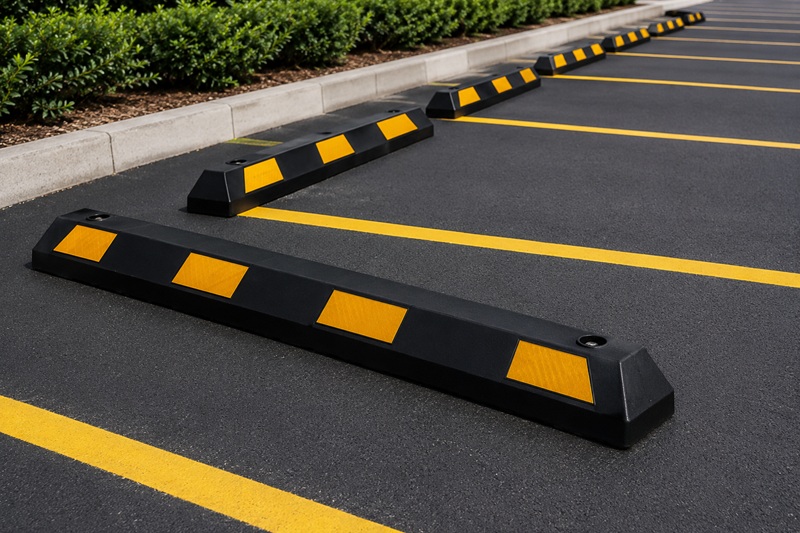
In many commercial properties, parking bumpers work together with parking lot painting to improve traffic organization and overall safety. Clearly painted parking lines combined with properly positioned bumpers help drivers park accurately and maintain smoother traffic flow.
Without parking bumpers, vehicles may damage curbs, signs, grass areas, or nearby structures. Over time, these repeated impacts can create expensive maintenance problems.
Modern parking lots rely heavily on organization, visibility, and safety. Parking bumpers contribute significantly to all three areas while helping extend pavement and property lifespan.
Choosing the Right Type of Parking Bumper
Before installation begins, selecting the right parking bumper is extremely important. Different parking environments require different bumper materials and sizes.
Concrete parking bumpers are known for their durability and long lifespan. They are commonly used in commercial and industrial parking lots because they can withstand heavy traffic and harsh weather conditions.
Rubber parking bumpers have become increasingly popular because they are lightweight, easier to install, and environmentally friendly. They also tend to cause less vehicle damage during contact.
Plastic and recycled material bumpers are another option for lighter traffic areas. These bumpers often include reflective strips that improve nighttime visibility.
The right choice depends on traffic volume, climate conditions, parking lot layout, and overall maintenance goals.
At Commonwealth Paving, professionals understand how proper parking lot organization and parking lot painting work together with safety features like bumpers to create more efficient properties.
Planning the Parking Bumper Layout
Proper planning is one of the most important parts of successful installation. Parking bumpers must be positioned carefully to allow safe parking without obstructing vehicles or pedestrian movement.
Before installation, measurements should be taken to ensure consistent spacing across all parking spaces. Most parking bumpers are positioned a few feet from the front of the parking space to allow enough room for vehicle overhang.
Parking lot painting lines should also be clearly visible before installation begins. Installing bumpers without properly aligned striping can create uneven parking spaces and traffic confusion.
Professional layout planning helps maximize parking efficiency while improving safety and organization throughout the property.
Preparing the Pavement Surface
Surface preparation plays a major role in the stability and longevity of parking bumpers. The pavement should be clean, dry, and structurally sound before installation begins.
Loose debris, dirt, oil, and standing water should all be removed from the area. Cracked or damaged pavement may need repairs before bumpers are installed properly.
Parking lot painting should also be inspected during preparation. Fresh and visible striping helps ensure bumpers are aligned correctly with each parking space.
Skipping preparation can cause installation problems later, including loose anchors, shifting bumpers, or pavement damage around the mounting area.
At Commonwealth Paving, experienced professionals understand that quality pavement preparation is essential for long-term parking lot performance.
Marking the Installation Points
Once the layout is finalized, the next step is marking the anchor locations. Most parking bumpers contain pre-drilled mounting holes that determine where anchors will be placed.
Careful marking is important because inaccurate drilling can create alignment problems and reduce installation stability. Measuring each space properly ensures a consistent and professional appearance across the parking lot.
This step is especially important in large commercial parking lots where uneven bumper placement can affect both safety and visual appearance.
Parking lot painting markings should remain clearly visible during this process to help maintain proper positioning throughout the installation.
Drilling the Anchor Holes
After the mounting points are marked, holes must be drilled into the asphalt or concrete surface for anchor installation. Specialized drill equipment is often required depending on the pavement type and bumper material.
The holes should match the size and depth recommended for the anchor system being used. Drilling too shallow or too deep can weaken the installation and reduce durability.
Beginners should work slowly and carefully during this step to avoid damaging the pavement surface unnecessarily. Properly drilled holes help ensure the parking bumpers remain secure under heavy vehicle traffic.
Professional contractors often use advanced equipment to speed up the process while maintaining precision and consistency across the entire project.
Installing the Anchors Securely
Once the holes are drilled, anchors are inserted into the pavement to secure the parking bumpers in place. Depending on the installation type, anchors may include steel spikes, bolts, or specialized fastening systems.
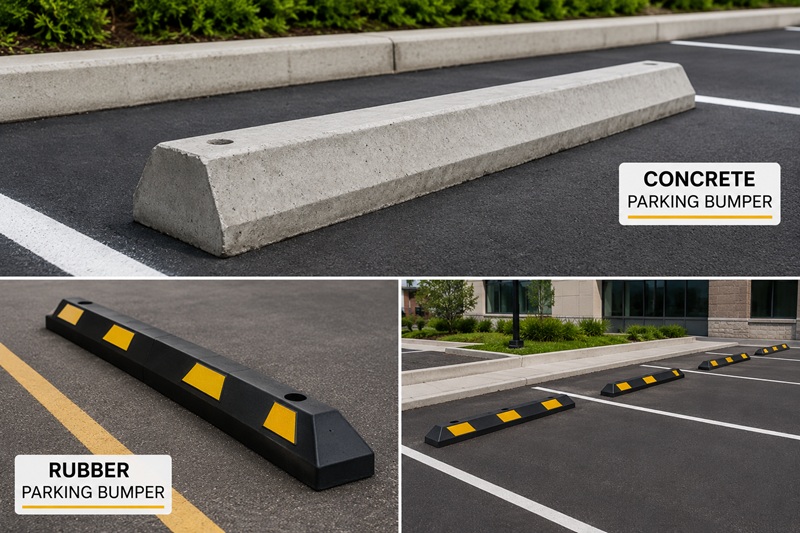
The bumper should be positioned carefully over the holes before the anchors are tightened. Secure anchoring is critical because loose bumpers can shift over time and create safety hazards.
Heavy traffic areas especially require strong and durable anchor systems capable of handling repeated vehicle contact.
Properly installed bumpers remain stable and aligned for years with minimal maintenance.
Checking Alignment and Stability
After installation is complete, each parking bumper should be inspected carefully. Alignment, spacing, and stability all need to be verified before the parking lot is reopened for use.
Parking bumpers should line up evenly with the parking lot painting markings and remain firmly attached to the pavement. Any loose or uneven bumpers should be adjusted immediately.
This final inspection helps ensure the parking lot looks professional while functioning safely and efficiently.
Commercial and industrial properties benefit greatly from organized parking layouts that combine durable bumpers with visible striping and clear traffic flow.
Why Parking Lot Painting Matters During Installation
Many people overlook the connection between parking lot painting and parking bumper installation, but both elements work together closely.
Fresh striping improves visibility and helps drivers position vehicles correctly within each space. Parking bumpers reinforce these boundaries physically, reducing over-parking and protecting surrounding areas.
Faded or unclear parking lot painting can make bumper placement appear uneven even if the installation is technically correct. That is why many property owners schedule restriping and bumper installation together.
At Commonwealth Paving, professionals help businesses maintain organized and visually appealing parking lots through expert parking lot painting and pavement maintenance services.
Common Mistakes Beginners Should Avoid
Many first-time parking bumper installations experience problems due to avoidable mistakes. One of the most common issues is improper spacing. Uneven bumper placement can create parking difficulties and reduce traffic efficiency.
Another common mistake is using weak anchors or incorrect installation tools. Loose bumpers quickly become safety hazards and may damage vehicles or pavement.
Ignoring pavement condition is another major issue. Installing bumpers on cracked or unstable surfaces often leads to premature failure.
Weather conditions should also be considered carefully. Wet pavement or freezing temperatures can interfere with installation quality and long-term durability.
Professional installation helps avoid these common problems while ensuring better overall results.
The Safety Benefits of Parking Bumpers
Parking bumpers provide several important safety advantages for commercial and industrial properties. They help prevent vehicles from entering pedestrian walkways, damaging landscaping, or striking nearby structures.
Clearly organized parking areas also reduce confusion and improve traffic flow. Combined with high-quality parking lot painting, bumpers help create a safer environment for both drivers and pedestrians.
In busy parking lots, these small safety features play a major role in reducing accidents and protecting property.
Businesses that prioritize parking lot safety often create better customer experiences while reducing long-term liability risks.
How Professional Installation Saves Time and Money
Although some property owners attempt DIY installation, professional services often provide better long-term value. Experienced contractors understand how to measure layouts accurately, select proper anchor systems, and install bumpers efficiently.
Professional installation reduces the risk of alignment problems, pavement damage, or loose bumpers that require costly repairs later.
At Commonwealth Paving, experienced crews use quality materials and professional equipment designed to maximize parking lot durability and organization.
Proper installation not only improves appearance but also reduces future maintenance costs and extends the lifespan of the parking lot surface.
Maintaining Parking Bumpers After Installation
Once parking bumpers are installed, routine maintenance helps preserve their condition and effectiveness. Regular inspections can identify loose anchors, cracks, or shifting before serious problems develop.
Parking lot painting should also be maintained regularly to ensure visibility remains strong around each parking space.
Cleaning debris around the bumpers and checking for pavement damage helps extend the lifespan of the entire parking lot system.
Preventive maintenance is far more affordable than major repairs or full parking lot reconstruction projects later.
Parking bumpers may seem like small features, but they play a major role in parking lot safety, organization, and appearance. Proper installation helps protect vehicles, buildings, sidewalks, and landscaping while improving traffic flow throughout the property.
For beginners, understanding the correct installation process is essential for achieving safe and durable results. However, professional installation often provides stronger long-term performance and reduces maintenance concerns significantly.
For businesses seeking reliable parking lot maintenance and parking lot painting services, Commonwealth Paving continues to provide trusted solutions tailored to commercial and industrial properties. Located at 136 Outer Loop, Louisville, Kentucky 40214, Commonwealth Paving helps clients maintain safe, organized, and visually appealing parking lots designed for long-term durability.
Concrete vs Rubber Parking Bumpers: Which One Is Best in 2026?
Parking lots in 2026 are designed with much more than simple parking spaces in mind. Safety, traffic organization, durability, and appearance all play a major role in creating an efficient commercial or industrial property. One feature that continues to be extremely important is the parking bumper.
Parking bumpers help guide vehicles, protect sidewalks and buildings, prevent over-parking, and improve traffic organization throughout the property. They also work together with parking lot painting to create a safer and more professional parking environment.
However, property owners often face an important question when planning a parking lot upgrade or maintenance project: should they choose concrete parking bumpers or rubber parking bumpers?
Both options offer advantages, but each performs differently depending on traffic conditions, maintenance goals, weather exposure, and overall property needs. Understanding the strengths and limitations of each material can help businesses make the right investment for long-term performance and safety.
At Commonwealth Paving, businesses receive professional parking lot painting and pavement maintenance services designed to improve safety, durability, and curb appeal. Located at 136 Outer Loop, Louisville, Kentucky 40214, Commonwealth Paving continues to provide trusted paving solutions for commercial and industrial properties. For more information, call +1 502 459 7283.
Why Parking Bumpers Matter More Than Ever in 2026
Modern parking lots are expected to be organized, safe, and visually appealing. Customers and visitors notice parking lot conditions immediately upon arrival, making parking lot maintenance an important part of overall property presentation.
Parking bumpers play a critical role in maintaining parking lot organization. They help stop vehicles from driving too far forward into sidewalks, grass areas, signs, fences, buildings, or pedestrian walkways.
When combined with clear parking lot painting, bumpers create a structured traffic environment that improves safety and reduces confusion for drivers.
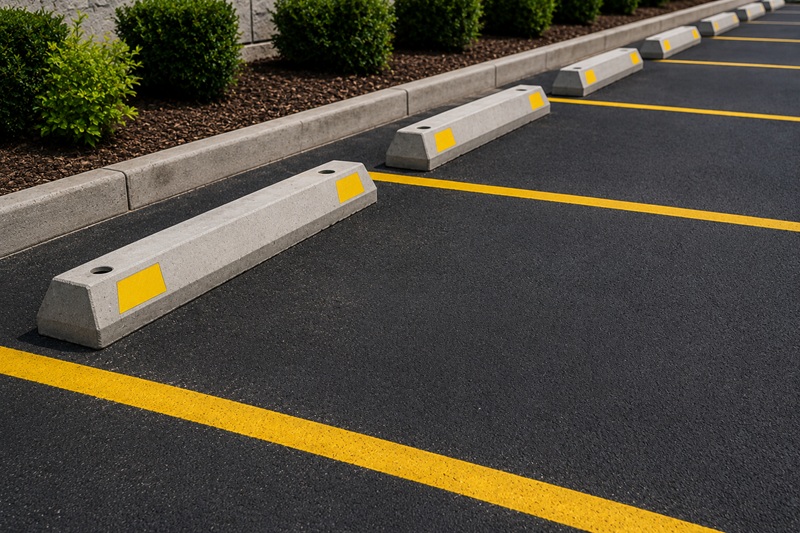
In busy commercial and industrial properties, properly installed bumpers also help reduce vehicle damage and property maintenance costs over time.
Choosing the right bumper material is important because durability, maintenance requirements, installation methods, and long-term performance can vary significantly between concrete and rubber systems.
Understanding Concrete Parking Bumpers
Concrete parking bumpers have been used for decades in commercial parking lots. They are known for their strength, weight, and long-lasting durability.
Most concrete bumpers are reinforced and designed to withstand repeated vehicle contact and harsh outdoor conditions. Because of their heavy weight, they remain highly stable once installed properly.
Concrete bumpers are especially common in large industrial facilities, warehouses, shopping centers, and commercial parking lots where heavy traffic is expected.
Their solid structure makes them highly resistant to movement and displacement, which is important for maintaining parking lot organization over time.
Many property owners appreciate the traditional appearance and long lifespan of concrete bumpers, especially in high-traffic environments where durability is a top priority.
Advantages of Concrete Parking Bumpers
One major advantage of concrete parking bumpers is their exceptional durability. They can withstand years of vehicle impact and exposure to harsh weather conditions with relatively little maintenance.
Concrete also performs well under extreme temperatures, making it suitable for many climates and environmental conditions.
Benefits of concrete parking bumpers include:
- Excellent long-term durability and structural strength
- Strong resistance to shifting or movement
- Effective performance in high-traffic commercial areas
Concrete bumpers also pair well with professional parking lot painting because they help maintain consistent parking alignment and organized traffic flow across large properties.
For businesses seeking a long-term solution with minimal replacement frequency, concrete bumpers remain a reliable option.
Disadvantages of Concrete Parking Bumpers
Despite their durability, concrete parking bumpers also have several disadvantages that property owners should consider.
One of the biggest concerns is weight. Concrete bumpers are extremely heavy, making transportation and installation more labor-intensive. This can increase installation costs and make repositioning difficult later.
Concrete bumpers can also crack or chip over time, especially if exposed to repeated heavy impacts or freeze-thaw cycles. Damaged concrete may create sharp edges or unattractive appearance issues within the parking lot.
Another issue is vehicle damage. Because concrete is rigid and unforgiving, accidental contact can cause significant damage to tires, bumpers, or lower vehicle components.
In some parking environments, this may increase customer frustration or maintenance concerns.
Understanding Rubber Parking Bumpers
Rubber parking bumpers have become increasingly popular in recent years due to their flexibility, lighter weight, and environmentally friendly design.
Most rubber bumpers are made from recycled materials, making them an attractive choice for businesses focused on sustainability and eco-friendly property improvements.
Rubber bumpers are easier to transport and install compared to concrete systems. Their lighter weight allows for faster installation while still providing effective parking control.
They are also more forgiving during vehicle contact, reducing the likelihood of damage to both the vehicle and the bumper itself.
Modern rubber bumpers are designed to withstand heavy traffic while maintaining flexibility and visibility over time.
Advantages of Rubber Parking Bumpers
One of the biggest advantages of rubber parking bumpers is flexibility. Unlike rigid concrete systems, rubber absorbs impact more effectively and reduces damage during accidental contact.
Rubber bumpers are also easier to handle during installation and maintenance. Their lighter weight allows crews to complete projects faster and with less equipment.
Many rubber bumpers include reflective strips that improve nighttime visibility, helping drivers identify parking boundaries more easily in low-light conditions.
Additional benefits of rubber parking bumpers include:
- Easier installation and replacement process
- Reduced vehicle damage during contact
- Improved visibility and modern appearance
When combined with fresh parking lot painting, rubber bumpers help create highly organized and visually appealing parking areas.
At Commonwealth Paving, professionals understand how proper parking lot organization and clear striping contribute to safer and more efficient commercial properties.
Disadvantages of Rubber Parking Bumpers
Although rubber bumpers offer many advantages, they are not perfect for every parking environment.
In extremely high-traffic or heavy industrial areas, rubber bumpers may wear down faster than reinforced concrete systems. Continuous exposure to large trucks or heavy equipment can shorten their lifespan.
Some lower-quality rubber products may also fade or deteriorate under intense UV exposure if not manufactured with proper protective materials.
Because rubber bumpers are lighter, improper installation may allow movement or shifting over time if anchors loosen or pavement conditions deteriorate.
Routine inspections and proper installation are important for maximizing performance and longevity.
How Parking Lot Painting Works Together With Parking Bumpers
Parking bumpers alone cannot create an organized parking lot. They work best when combined with clear and professional parking lot painting.
Fresh striping helps define parking spaces, directional arrows, loading zones, and pedestrian areas clearly. Parking bumpers reinforce these boundaries physically by helping drivers stop at the correct position.
Faded or poorly maintained parking lot painting reduces the effectiveness of bumpers because drivers may struggle to align vehicles properly.
That is why many businesses schedule restriping and bumper installation together as part of a complete parking lot maintenance plan.
At Commonwealth Paving, clients receive professional parking lot painting services designed to improve visibility, safety, and overall property appearance.
Which Option Lasts Longer in 2026?
When comparing longevity, both materials can perform well if installed properly and maintained correctly.
Concrete parking bumpers generally last longer in extremely heavy-duty environments where impact resistance and structural strength are priorities.
Rubber bumpers, however, often provide better flexibility and lower maintenance in standard commercial parking lots where lighter traffic conditions exist.
The best choice depends on how the parking lot is used, local weather conditions, and the overall maintenance goals of the property owner.
Properties with frequent heavy truck traffic may benefit more from concrete systems, while customer-focused commercial lots often prefer rubber for its flexibility and cleaner appearance.
Safety Considerations for Modern Parking Lots
Safety is one of the most important reasons businesses invest in parking bumpers and parking lot painting.
Properly organized parking lots reduce confusion, improve traffic flow, and help prevent accidents involving vehicles and pedestrians.
Rubber bumpers generally provide a safer experience during minor vehicle contact because they absorb impact better than concrete. However, concrete systems may provide stronger stopping power in certain industrial environments.
Both options improve safety significantly when installed correctly and combined with visible parking lot painting and proper traffic organization.
Businesses that prioritize parking lot safety often create better customer experiences while reducing long-term liability concerns.
Appearance and Curb Appeal
Parking lot appearance has become increasingly important for businesses in 2026. Customers often judge a property’s professionalism based on exterior maintenance and organization.
Rubber parking bumpers typically offer a more modern appearance with reflective visibility features and cleaner design options.
Concrete bumpers provide a traditional industrial appearance that works well in larger commercial or warehouse environments.
Regardless of the material selected, pairing parking bumpers with fresh parking lot painting creates a cleaner and more organized property appearance overall.
Installation and Maintenance Costs
Installation costs can vary significantly between the two materials. Concrete bumpers often require more labor and heavier equipment due to their weight.
Rubber bumpers are generally faster and easier to install, which may reduce labor expenses.
However, long-term maintenance considerations should also be evaluated. Concrete may require less frequent replacement in some heavy-duty applications, while rubber systems may offer lower repair costs and easier repositioning.
Choosing the right option requires balancing upfront investment, maintenance expectations, traffic conditions, and property appearance goals.
Both concrete and rubber parking bumpers offer valuable benefits for commercial and industrial parking lots in 2026. Concrete provides exceptional strength and long-term durability, while rubber offers flexibility, easier installation, and improved vehicle protection.
The best choice ultimately depends on traffic volume, property type, maintenance goals, and overall parking lot design.
Regardless of the material selected, combining quality parking bumpers with professional parking lot painting creates safer, more organized, and more visually appealing parking environments.
For businesses seeking reliable parking lot painting and pavement maintenance services, Commonwealth Paving continues to provide trusted solutions tailored to commercial and industrial properties. Located at 136 Outer Loop, Louisville, Kentucky 40214, Commonwealth Paving helps clients maintain safe and attractive parking lots built for long-term performance.
Address
Commonwealth Paving, 136 Outerloop, Louisville, Kentucky 40214
Phone: 502-459-7283, Fax: 502-456-2678
Opening Hours
| Monday | 9:00 AM – 5:00 PM |
| Tuesday | 9:00 AM – 5:00 PM |
| Wednesday | 9:00 AM – 5:00 PM |
| Thursday | 9:00 AM – 5:00 PM |
| Friday | 9:00 AM – 5:00 PM |
| Saturday | Closed |
| Sunday | Closed |