
How to Install Speed Bumps for Asphalt (Step-by-Step Guide)
Managing vehicle speed is one of the biggest challenges for commercial and industrial properties in 2026. Parking lots, warehouses, private roads, loading areas, apartment complexes, and commercial entrances all experience regular traffic that can create safety concerns if drivers move too quickly. That is why Speed Bumps for Asphalt continue to be one of the most effective traffic-calming solutions available today.
Properly installed speed bumps help reduce speeding, improve pedestrian safety, protect property, and create a more organized traffic environment. However, installing them incorrectly can lead to pavement damage, loose hardware, drainage problems, and even vehicle hazards.
For beginners, learning how to install Speed Bumps for Asphalt correctly is extremely important for achieving durable and safe results. The good news is that the process becomes much easier when broken down step by step.
At Commonwealth Paving, businesses receive professional asphalt maintenance and traffic control solutions designed to improve safety, pavement durability, and property organization. Located at 136 Outer Loop, Louisville, Kentucky 40214, Commonwealth Paving continues to provide trusted paving services for commercial and industrial properties. For professional assistance, call +1 502 459 7283.
Why Speed Bumps for Asphalt Are Important
Modern parking lots and commercial properties must balance traffic efficiency with safety. Without proper speed control measures, drivers may move too quickly through pedestrian areas, parking lanes, loading zones, or private access roads.
Speed Bumps for Asphalt help slow vehicles naturally by encouraging drivers to reduce speed before crossing the raised surface. This simple traffic management feature greatly improves safety for pedestrians, employees, customers, and parked vehicles.
In addition to reducing speed, properly installed speed bumps help organize traffic flow and create a more controlled driving environment. They are commonly used in commercial parking lots, industrial facilities, schools, apartment complexes, and warehouse properties where vehicle speed management is essential.

When combined with pavement striping and clear signage, Speed Bumps for Asphalt become an important part of overall parking lot safety and organization.
Choosing the Right Speed Bumps for Asphalt
Before installation begins, selecting the correct type of speed bump is essential. Different materials and designs are available depending on traffic conditions, pavement type, and safety goals.
Rubber speed bumps are popular because they are flexible, durable, and easier to install. They also reduce vehicle impact damage and often include reflective markings for improved visibility.
Plastic or recycled material speed bumps are lightweight and environmentally friendly, making them useful for lighter traffic areas.
Heavy-duty commercial properties sometimes use larger and more durable systems designed for high traffic volumes and heavier vehicles.
The ideal Speed Bumps for Asphalt should match the traffic conditions of the property while maintaining proper visibility and long-term durability.
At Commonwealth Paving, professionals understand how traffic control solutions should integrate with overall pavement maintenance and parking lot safety planning.
Planning the Installation Location
Proper placement is one of the most important factors in successful speed bump installation. Installing Speed Bumps for Asphalt in the wrong location can create traffic congestion, drainage issues, or unnecessary wear on the pavement.
Speed bumps should be positioned in areas where drivers naturally need to slow down, such as pedestrian crossings, entrances, exits, parking lot intersections, or warehouse loading zones.
It is also important to maintain enough distance from curves, slopes, drainage systems, and building entrances. Poor placement may increase safety risks instead of reducing them.
Traffic flow patterns should always be evaluated before installation begins. Planning helps ensure the speed bumps improve safety without creating unnecessary vehicle disruptions.
Preparing the Asphalt Surface
Surface preparation is critical for achieving durable installation results. Speed Bumps for Asphalt must be installed on clean and structurally sound pavement surfaces.
Loose debris, dirt, oil stains, moisture, and damaged asphalt should all be addressed before installation starts. If the pavement contains severe cracks or potholes, repairs may be necessary first.
Installing speed bumps on unstable pavement can lead to loose anchors, shifting, or premature pavement damage around the mounting area.
The asphalt surface should also be completely dry before drilling and anchoring begins. Proper preparation helps maximize bond strength and installation stability.
At Commonwealth Paving, experienced professionals understand that pavement condition plays a major role in the long-term performance of traffic control systems.
Measuring and Marking the Installation Area
Once the location is finalized, accurate measurements are necessary before installation begins. Speed Bumps for Asphalt should be positioned evenly across the driving lane to ensure vehicles pass over them correctly.
The speed bump sections should align straight and remain centered within the traffic lane. Uneven placement can reduce effectiveness and create an unprofessional appearance.
Most speed bump systems include pre-drilled mounting holes that determine anchor placement. Marking these locations carefully helps prevent drilling mistakes later.
Consistency is especially important for large commercial or industrial parking lots where traffic flow and organization directly impact safety and customer experience.
Drilling the Anchor Holes
After the installation points are marked, the next step is drilling holes into the asphalt surface for anchor installation. Specialized drilling equipment is typically required depending on the size of the anchors and pavement thickness.
The holes must match the correct depth and diameter specified for the speed bump system being installed. Improper drilling can weaken the installation and reduce long-term durability.
Beginners should work carefully during this stage because inaccurate drilling may cause alignment problems or pavement cracking around the anchor points.
Professional contractors often use advanced equipment that improves precision and speeds up the installation process significantly.
Installing the Speed Bumps for Asphalt
Once the holes are drilled, the speed bump sections can be positioned and secured to the pavement. Most systems use bolts, spikes, or specialized anchors designed specifically for asphalt surfaces.
Each section should be aligned carefully before tightening the anchors fully. Proper alignment ensures smooth vehicle interaction and consistent traffic control performance.
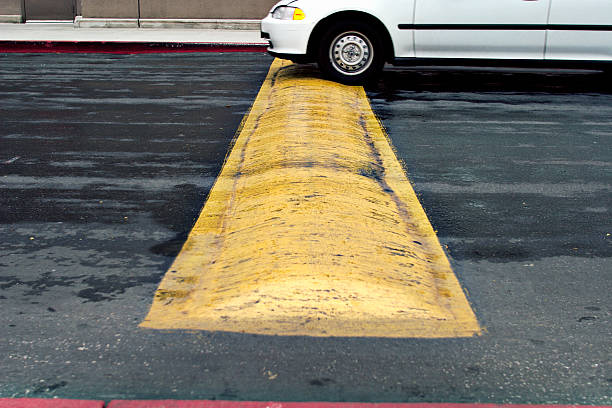
Secure anchoring is extremely important because loose speed bumps can become safety hazards over time. High-traffic areas especially require strong attachment systems capable of handling repeated vehicle impact.
During installation, professionals often verify spacing and stability continuously to ensure the finished system performs correctly.
Adding Reflective Markings and Visibility Features
Visibility is a major part of speed bump safety. Drivers should be able to identify Speed Bumps for Asphalt clearly during both daytime and nighttime conditions.
Many modern speed bumps include reflective strips or bright colors that improve visibility in low-light environments. Additional pavement markings and warning signs can also help alert drivers in advance.
Proper visibility reduces sudden braking and helps create smoother traffic flow throughout the property.
Benefits of adding visibility features include:
- Improved driver awareness and pedestrian safety
- Reduced risk of vehicle damage or sudden braking
- Better traffic organization in commercial parking areas
At Commonwealth Paving, professionals help businesses improve parking lot safety through organized traffic management and pavement maintenance solutions.
Inspecting the Final Installation
After installation is complete, the speed bumps should be inspected carefully before reopening the area to traffic.
Each section should remain firmly attached to the pavement without movement or loose hardware. Alignment and spacing should also be checked to ensure proper traffic flow and appearance.
The surrounding pavement should be inspected for cracks or damage caused during drilling or installation. Correcting small issues immediately helps prevent larger maintenance problems later.
Final inspections help ensure the installation meets both safety and durability expectations.
Common Mistakes Beginners Should Avoid
Many first-time installations experience problems because of avoidable mistakes. One common issue is placing Speed Bumps for Asphalt in areas with poor drainage. Water buildup around the speed bumps can weaken the pavement and create maintenance issues.
Another frequent mistake is improper anchor installation. Loose hardware allows movement over time, which can damage both the speed bump and the asphalt surface.
Poor alignment is also a problem. Crooked or uneven speed bumps create an unprofessional appearance and may affect traffic flow negatively.
Ignoring pavement condition before installation can lead to early failure as well. Damaged asphalt should always be repaired before traffic control devices are installed.
Professional installation helps eliminate these issues while improving long-term reliability.
Why Professional Installation Often Saves Money
Some property owners attempt DIY installation to reduce costs, but improper installation frequently creates expensive maintenance problems later.
Professional contractors understand how to evaluate pavement conditions, choose proper anchor systems, and install Speed Bumps for Asphalt correctly the first time.
Experienced crews also complete projects faster while minimizing disruption to traffic and daily operations.
Professional installation provides several major advantages:
- Better long-term durability and reduced maintenance
- Faster project completion with professional equipment
- Improved safety and traffic organization
At Commonwealth Paving, professionals use quality materials and proven installation techniques designed to maximize pavement protection and traffic safety.
The Role of Speed Bumps in Parking Lot Safety
Speed management has become increasingly important for commercial and industrial properties. Parking lots today often experience high traffic volumes with both vehicles and pedestrians sharing the same space.
Speed Bumps for Asphalt help create safer environments by encouraging drivers to reduce speed naturally. This improves reaction time, reduces accident risks, and protects pedestrians throughout the property.
Combined with proper striping, signage, and pavement maintenance, speed bumps contribute significantly to organized and efficient traffic flow.
Businesses that prioritize parking lot safety often improve customer experience while reducing long-term liability concerns.
Maintaining Speed Bumps After Installation
Once installed, regular maintenance helps extend the lifespan of Speed Bumps for Asphalt and preserve overall parking lot safety.
Routine inspections should check for loose anchors, cracked sections, fading reflective markings, or pavement damage around the installation area.
Cleaning debris and maintaining surrounding asphalt surfaces also helps improve performance and visibility over time.
Preventive maintenance is far more affordable than replacing damaged pavement or traffic control systems later.
Installing Speed Bumps for Asphalt is one of the most effective ways to improve traffic control and parking lot safety in 2026. Proper installation helps reduce speeding, improve pedestrian protection, and create a more organized parking environment.
While beginners can follow step-by-step installation methods successfully, professional installation often delivers stronger durability, better alignment, and lower long-term maintenance costs.
For businesses seeking reliable traffic control and asphalt maintenance solutions, Commonwealth Paving continues to provide trusted paving services tailored to commercial and industrial properties. Located at 136 Outer Loop, Louisville, Kentucky 40214, Commonwealth Paving helps clients maintain safer and more organized parking lots designed for long-term performance.
To learn more about professional asphalt maintenance and Speed Bumps for Asphalt installation services, call +1 502 459 7283 today.
Rubber vs Asphalt Speed Bumps: Which Is Better for Your Property?
Controlling vehicle speed has become a major priority for commercial and industrial properties in 2026. Parking lots, warehouses, apartment complexes, schools, and private roadways all experience regular traffic that can create serious safety concerns when drivers move too quickly. That is why Speed Bumps for Asphalt continue to play a critical role in modern traffic management.
Speed bumps help slow vehicles, improve pedestrian safety, reduce accident risks, and create a more organized driving environment. However, choosing the right type of speed bump is just as important as deciding to install one in the first place.
Property owners often face an important question when planning traffic control upgrades: should they choose rubber speed bumps or asphalt speed bumps?
Both options offer unique benefits, but each performs differently depending on traffic conditions, maintenance needs, durability expectations, and overall property goals. Understanding the differences between rubber and asphalt Speed Bumps for Asphalt can help businesses make smarter long-term decisions for safety and pavement performance.
At Commonwealth Paving, commercial and industrial clients receive professional asphalt maintenance and traffic control solutions designed to improve safety, organization, and durability. Located at 136 Outer Loop, Louisville, Kentucky 40214, Commonwealth Paving continues to provide trusted paving services tailored to modern property needs. For more information, call +1 502 459 7283.
Why Speed Bumps for Asphalt Matter More Than Ever
Modern parking lots and commercial properties handle higher traffic volumes than ever before. Delivery vehicles, customer traffic, employee vehicles, and industrial equipment all contribute to increasingly busy pavement environments.
Without proper traffic control, speeding vehicles can create dangerous conditions for pedestrians, parked vehicles, and property structures. Speed Bumps for Asphalt provide a simple but highly effective solution by encouraging drivers to reduce speed naturally.
When installed correctly, speed bumps improve traffic flow, increase driver awareness, and help reduce accident risks throughout the property.
They are commonly used in parking lots, apartment communities, warehouses, schools, loading areas, and commercial entrances where controlled vehicle movement is essential.
Choosing between rubber and asphalt speed bumps depends largely on how the property is used and what level of durability and maintenance is expected over time.
Understanding Rubber Speed Bumps
Rubber speed bumps have become increasingly popular in recent years because of their flexibility, visibility, and ease of installation. Most rubber systems are manufactured using recycled materials, making them environmentally friendly and highly durable under normal traffic conditions.
Rubber Speed Bumps for Asphalt are usually installed as modular sections that attach directly to the pavement surface using bolts or anchors. Their flexible structure allows them to absorb impact better than rigid materials.
Many rubber speed bumps include reflective strips or bright colors that improve nighttime visibility and driver awareness.
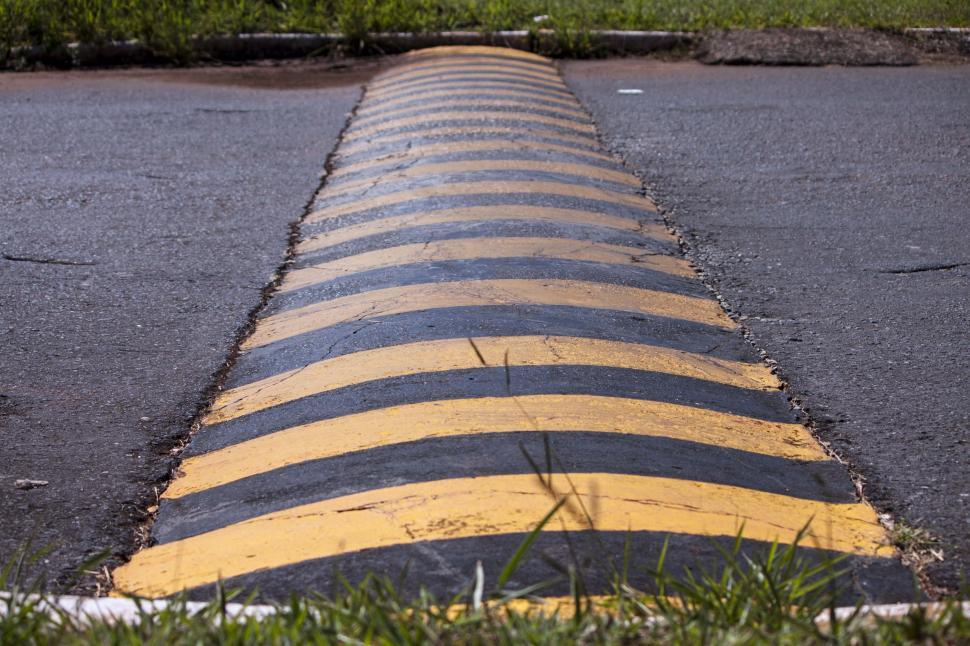
Because they are lightweight compared to asphalt systems, rubber speed bumps are easier to transport, install, and replace when necessary.
At Commonwealth Paving, professionals understand how modern traffic control systems should balance safety, visibility, and long-term pavement protection.
Advantages of Rubber Speed Bumps
One of the biggest benefits of rubber Speed Bumps for Asphalt is flexibility. Unlike rigid asphalt structures, rubber systems absorb vehicle impact more effectively and reduce stress on both vehicles and pavement surfaces.
Rubber speed bumps are also easier to install. Because they are prefabricated, installation can often be completed quickly with minimal disruption to traffic flow.
Their reflective markings improve visibility significantly during nighttime and poor weather conditions. This helps drivers identify the speed bump earlier and slow down more smoothly.
Additional benefits of rubber speed bumps include:
- Faster installation and easier replacement
- Improved visibility with reflective safety features
- Reduced vehicle wear and impact damage
Rubber systems are especially useful for commercial parking lots and properties where flexibility and visibility are top priorities.
Disadvantages of Rubber Speed Bumps
Although rubber speed bumps offer many advantages, they are not ideal for every environment.
Heavy industrial traffic can sometimes reduce the lifespan of rubber systems more quickly than expected. Constant exposure to large trucks or heavy equipment may cause wear, loosening, or anchor damage over time.
Rubber speed bumps can also shift if installed improperly or if the underlying asphalt surface deteriorates. Poor installation may lead to movement that affects both safety and appearance.
Extreme heat and prolonged UV exposure may eventually cause fading or material degradation in lower-quality products.
Routine inspections and maintenance are important for ensuring rubber Speed Bumps for Asphalt continue performing properly over time.
Understanding Asphalt Speed Bumps
Asphalt speed bumps are constructed directly from asphalt material and integrated into the pavement surface itself. Unlike modular rubber systems, asphalt speed bumps become a permanent part of the parking lot or roadway.
These speed bumps are commonly found in heavy-duty commercial and industrial environments where long-term durability is essential.
Because they are built directly into the pavement, asphalt speed bumps create a more solid and permanent traffic control solution.
They can also be customized in size, height, and shape based on traffic speed requirements and property design needs.
For properties experiencing frequent heavy traffic, asphalt Speed Bumps for Asphalt often provide stronger structural performance and longer service life.
Advantages of Asphalt Speed Bumps
One major advantage of asphalt speed bumps is durability. Properly installed asphalt systems can withstand years of heavy vehicle traffic with minimal movement or shifting.
Because they are integrated directly into the pavement surface, asphalt speed bumps create a highly stable and permanent installation.
Asphalt systems also blend more naturally into the overall pavement appearance, creating a cleaner and more uniform look throughout the property.
Benefits of asphalt speed bumps include:
- Exceptional durability for high-traffic environments
- Permanent installation with strong structural stability
- Smooth integration with asphalt pavement surfaces
Commercial and industrial facilities that experience regular truck traffic often prefer asphalt speed bumps because of their long-term reliability.
Disadvantages of Asphalt Speed Bumps
Despite their durability, asphalt speed bumps also have limitations that property owners should consider carefully.
Installation is typically more labor-intensive and time-consuming compared to rubber systems. Asphalt speed bumps require proper grading, compaction, and curing to ensure long-term performance.
Repairs and modifications may also be more difficult because the speed bump is permanently integrated into the pavement.
Asphalt speed bumps can create stronger vehicle impact compared to flexible rubber systems, especially if designed improperly or installed too aggressively.
Weather conditions also affect installation timing because asphalt work generally requires proper temperatures and dry conditions for best results.
Which Option Lasts Longer?
Durability is one of the biggest factors property owners consider when choosing Speed Bumps for Asphalt.
Asphalt speed bumps generally provide longer lifespan in high-traffic industrial environments where constant heavy vehicle movement occurs. Their integrated design helps prevent shifting and anchor failures over time.
Rubber speed bumps perform extremely well in standard commercial parking lots and lighter traffic areas, but they may require more maintenance or replacement under severe conditions.
The best choice depends largely on traffic volume, vehicle weight, climate conditions, and long-term maintenance goals.
For properties with heavy truck traffic, asphalt systems often provide better long-term structural performance. Customer-focused commercial properties may prefer rubber systems because of their flexibility and smoother vehicle interaction.
Safety Considerations for Modern Properties
Safety remains one of the most important reasons businesses install Speed Bumps for Asphalt in the first place.
Rubber speed bumps often provide smoother transitions for vehicles, reducing the risk of sudden braking or vehicle damage. Their reflective visibility features also improve driver awareness significantly.
Asphalt speed bumps create stronger speed reduction effects because of their solid structure and permanent design. This can be especially valuable in industrial environments where strict speed control is necessary.
Both options improve parking lot and roadway safety substantially when installed correctly and combined with proper signage and pavement markings.
Businesses that prioritize traffic safety often improve customer experience while reducing accident risks and liability concerns.
Installation Differences Between Rubber and Asphalt Systems
Installation methods vary significantly between the two options.
Rubber Speed Bumps for Asphalt are generally quicker and easier to install. They are attached directly to the pavement using anchors or bolts and can often be installed within a single day.
Asphalt speed bumps require pavement preparation, asphalt shaping, compaction, and curing. This process usually takes longer and may temporarily disrupt traffic flow more extensively.
However, asphalt systems provide a more permanent solution that becomes fully integrated into the pavement structure.
Professional installation is extremely important for both systems to ensure durability, alignment, and long-term safety performance.
At Commonwealth Paving, experienced professionals help businesses choose the right traffic control solutions based on property conditions and operational needs.
Maintenance Requirements
Both rubber and asphalt speed bumps require routine inspections and maintenance to ensure proper performance.
Rubber systems should be checked regularly for loose anchors, fading reflective strips, or movement caused by heavy traffic.
Asphalt speed bumps may require occasional crack repair, repainting, or surface maintenance to preserve visibility and pavement integrity.
Preventive maintenance helps extend lifespan and reduces long-term repair costs for both systems.
Well-maintained Speed Bumps for Asphalt improve property safety while preserving parking lot organization and appearance.
Appearance and Property Image
Parking lot appearance matters more than ever in 2026. Customers often judge a property’s professionalism based on exterior organization and maintenance.
Rubber speed bumps offer a modern appearance with bright reflective features that improve visibility and visual organization.
Asphalt speed bumps create a more seamless and permanent appearance that blends naturally with the pavement surface.
Both options can improve property image significantly when installed professionally and maintained properly.
Cost Considerations
Initial costs can vary between the two systems depending on installation size, traffic conditions, and material selection.
Rubber speed bumps often involve lower upfront installation costs because they require less labor and faster installation.
Asphalt speed bumps may involve higher initial expenses but can provide longer lifespan in heavy-duty applications.
Property owners should evaluate both short-term installation costs and long-term maintenance expectations before making a decision.
Choosing the right Speed Bumps for Asphalt often saves money over time by reducing accidents, protecting pavement, and improving traffic organization.
Both rubber and asphalt speed bumps provide valuable traffic control benefits for commercial and industrial properties. Rubber systems offer flexibility, visibility, and easier installation, while asphalt systems provide long-term durability and permanent structural integration.
The best option depends on traffic conditions, property type, maintenance goals, and overall safety priorities.
Regardless of the material selected, professionally installed Speed Bumps for Asphalt help improve traffic organization, reduce speeding, and create safer parking environments.
For businesses seeking reliable traffic control and asphalt maintenance solutions, Commonwealth Paving continues to provide trusted paving services tailored to modern commercial and industrial properties. Located at 136 Outer Loop, Louisville, Kentucky 40214, Commonwealth Paving helps clients maintain safer, more organized, and visually appealing parking lots built for long-term performance.
Address
Commonwealth Paving, 136 Outerloop, Louisville, Kentucky 40214
Phone: 502-459-7283, Fax: 502-456-2678
Opening Hours
| Monday | 9:00 AM – 5:00 PM |
| Tuesday | 9:00 AM – 5:00 PM |
| Wednesday | 9:00 AM – 5:00 PM |
| Thursday | 9:00 AM – 5:00 PM |
| Friday | 9:00 AM – 5:00 PM |
| Saturday | Closed |
| Sunday | Closed |