
Pothole Repair: Why Prompt Repairs Protect Your Pavement Investment
Potholes are one of the most common and frustrating pavement problems faced by homeowners, business owners, and property managers. What often starts as a small crack or minor depression in the asphalt can quickly develop into a large pothole that threatens the safety, appearance, and longevity of your pavement. While it may be tempting to delay repairs, waiting almost always leads to more extensive damage and higher repair costs.
Investing in timely pothole repair is one of the most effective ways to protect your pavement investment. Repairing potholes early prevents further deterioration, extends the life of your asphalt surface, improves safety, and helps you avoid expensive reconstruction projects. Whether you own a residential driveway, commercial parking lot, or private roadway, addressing potholes promptly is essential for maintaining a durable and attractive surface.
At Commonwealth Paving, we provide dependable pothole repair services for residential and commercial properties throughout the Louisville area. Our experienced team understands how quickly potholes can spread, and we focus on long-lasting repair solutions that restore pavement performance while protecting your investment.
Why Pothole Repair Is Essential for Long-Lasting Pavement
Every paved surface experiences wear over time. Daily traffic, changing weather, moisture, and natural aging gradually weaken asphalt. Once small cracks appear, water begins penetrating the surface and damaging the foundation beneath it. As vehicles continue driving over weakened areas, the asphalt eventually breaks apart, forming potholes.
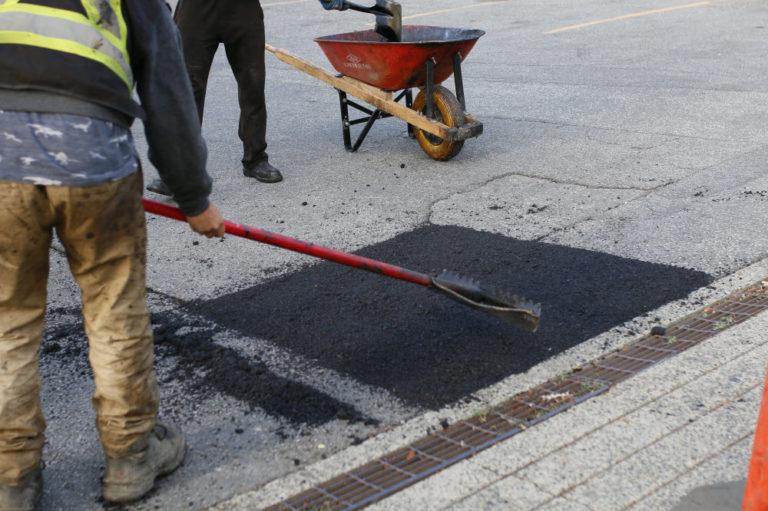
Professional pothole repair restores damaged sections before they spread into larger structural problems. Rather than allowing deterioration to continue unchecked, early repairs preserve the strength of the surrounding pavement and significantly reduce future maintenance costs.
Many property owners focus only on the visible hole itself, but potholes are usually signs of deeper issues developing beneath the surface. Prompt repairs help stop this process before additional sections of pavement begin to fail.
Understanding How Potholes Form
Potholes develop gradually through a combination of environmental conditions and repeated traffic loads.
The process usually begins with small surface cracks. Rainwater enters these cracks and reaches the base beneath the asphalt. As moisture weakens the foundation, the pavement loses its ability to support vehicle weight.
During freezing temperatures, trapped water expands as it turns to ice. This expansion widens cracks and creates additional stress within the pavement.
When vehicles repeatedly drive over these weakened areas, the asphalt eventually breaks apart, leaving behind a pothole.
Without professional pothole repair, the cycle continues as more water enters the damaged area, causing even greater deterioration.
Why Small Potholes Should Never Be Ignored
One of the biggest mistakes property owners make is assuming small potholes can wait until a later date.
Unfortunately, potholes rarely remain the same size.
Each rainfall allows additional moisture beneath the pavement.
Each passing vehicle places more pressure on weakened asphalt.
Each freeze-thaw cycle expands existing damage.
As a result, even minor potholes can quickly grow into major repair projects.
Scheduling pothole repair as soon as damage appears helps minimize repair costs while preserving the structural integrity of your pavement.
Water Is the Biggest Threat to Asphalt
Water plays a major role in nearly every pothole.
Healthy asphalt sheds water away from its surface. However, once cracks develop, moisture begins penetrating below the pavement.
This leads to several problems:
- Weakening of the pavement base.
- Loss of structural support.
- Soil erosion beneath the asphalt.
- Increased cracking.
- Larger and deeper potholes.
By repairing potholes promptly, property owners reduce water infiltration and protect the foundation that supports the entire pavement structure.
Safety Risks Created by Potholes
Potholes create more than cosmetic problems.
Damaged pavement presents serious safety hazards for drivers, pedestrians, cyclists, and employees.
Common risks include:
- Vehicle tire damage.
- Suspension and alignment problems.
- Trips and falls.
- Reduced traction during rain.
- Standing water that hides pavement damage.
- Increased liability for property owners.
Professional pothole repair restores a smooth driving surface that improves safety for everyone using the property.
Protecting Your Financial Investment
Your pavement represents a significant investment.
Whether it serves a home, apartment complex, retail center, office building, or industrial facility, replacing asphalt is considerably more expensive than maintaining it.
Routine pothole repair helps extend pavement life by preventing localized damage from spreading throughout the surface.
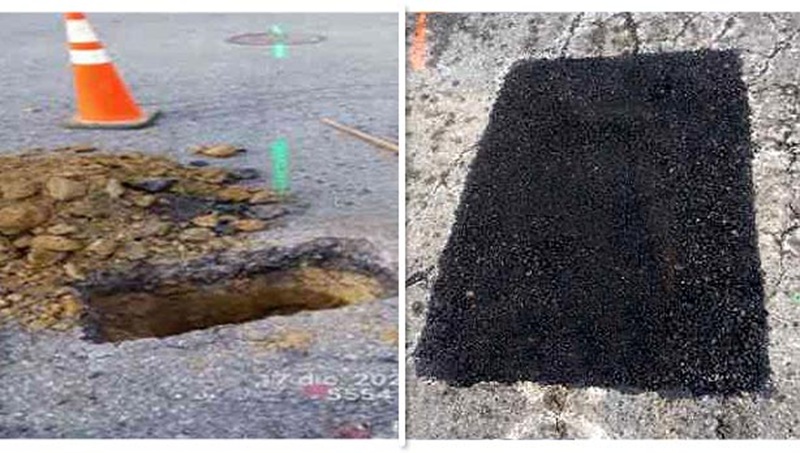
Early repairs reduce long-term maintenance expenses while delaying the need for complete reconstruction.
For many property owners, preventive repairs offer one of the highest returns on maintenance investments.
Improving Property Appearance
First impressions matter.
Visitors often notice the condition of your driveway or parking lot before entering your property.
Large potholes create an appearance of neglect and poor maintenance, even if the rest of the property is well cared for.
Freshly repaired pavement contributes to:
- Better curb appeal.
- Improved customer confidence.
- Enhanced property value.
- Greater pride of ownership.
- A more professional appearance.
Prompt pothole repair demonstrates a commitment to maintaining safe and attractive facilities.
Kentucky Weather Accelerates Pavement Damage
Louisville experiences weather conditions that place significant stress on asphalt surfaces throughout the year.
Summer heat softens pavement, making it more vulnerable to wear.
Heavy rainfall increases water infiltration through existing cracks.
Winter freeze-thaw cycles rapidly enlarge damaged areas.
Spring often reveals new potholes created during colder months.
Because of these seasonal challenges, regular inspections and timely pothole repair are especially important for protecting asphalt in Kentucky.
Heavy Traffic Makes Potholes Worse
Every passing vehicle places additional pressure on damaged pavement.
Commercial vehicles, delivery trucks, trailers, and heavy equipment create even greater stress.
Repeated traffic causes pothole edges to crumble, increasing both the width and depth of the damaged area.
Repairing potholes before heavy traffic seasons helps preserve pavement performance while reducing future repair costs.
Professional Repairs Last Longer
Some property owners attempt temporary fixes using cold patch materials purchased from hardware stores.
While these products may provide a short-term improvement, they often fail because they do not properly address underlying pavement conditions.
Professional pothole repair includes careful preparation, removal of damaged material when necessary, proper compaction, and the use of quality asphalt products designed for long-term performance.
The result is a repair that blends with the surrounding pavement while providing greater durability.
Why Waiting Increases Repair Costs
Many pavement problems become significantly more expensive simply because repairs were delayed.
A small pothole requiring a relatively simple repair today may become a large structural failure within a short period.
As damage spreads:
- More asphalt requires replacement.
- Additional labor becomes necessary.
- Foundation repairs may be required.
- Drainage issues become more severe.
- Larger sections of pavement deteriorate.
Prompt pothole repair helps property owners avoid these escalating costs.
Signs You Need Immediate Pothole Repair
Recognizing early warning signs allows repairs to begin before major damage develops.
Watch for indicators such as:
- Small holes beginning to form in traffic areas.
- Loose asphalt around existing potholes.
- Standing water collecting in damaged sections.
- Cracks spreading outward from potholes.
- Uneven pavement creating rough driving conditions.
- Multiple potholes developing across the same surface.
Addressing these issues quickly helps prevent widespread pavement deterioration.
The Role of Preventive Maintenance
Pothole repair is most effective when combined with routine pavement maintenance.
Regular inspections allow professionals to identify small cracks, drainage issues, and early signs of wear before potholes develop.
Preventive maintenance may include crack sealing, sealcoating, surface patching, and drainage improvements.
Together, these services extend pavement life while reducing overall maintenance expenses.
A proactive maintenance approach protects both the pavement and your long-term investment.
Residential and Commercial Properties Both Benefit
Potholes affect every type of property.
Residential driveways benefit from smoother vehicle access, improved appearance, and reduced maintenance costs.
Commercial parking lots benefit from safer customer access, improved business image, and reduced liability risks.
Industrial facilities benefit from smoother equipment movement and less wear on delivery vehicles.
Regardless of property type, professional pothole repair protects asphalt surfaces while improving safety and functionality.
Environmental Benefits of Timely Repairs
Repairing potholes rather than replacing entire paved surfaces also supports sustainable property maintenance.
Localized repairs preserve much of the existing asphalt, reducing waste sent to landfills and minimizing the amount of new material required for restoration.
Keeping pavement in good condition also extends its usable lifespan, reducing the frequency of major reconstruction projects.
Timely maintenance is not only cost-effective but also helps make better use of existing resources.
Choosing the Right Time for Pothole Repair
The best time to repair potholes is immediately after they are discovered.
Delaying repairs allows additional moisture, traffic, and weather conditions to worsen the damage.
Professional evaluations determine the most effective repair approach based on:
- Pavement condition.
- Size of the pothole.
- Base stability.
- Drainage performance.
- Overall pavement age.
Addressing problems early ensures repairs remain localized and affordable.
Why Experience Matters
Not every pothole requires the same repair method.
Experienced paving professionals understand how to evaluate the underlying cause of pavement failure rather than simply filling the visible hole.
Proper assessment ensures repairs address both surface damage and any supporting structural issues that may contribute to future deterioration.
This approach delivers longer-lasting results while maximizing the value of your pavement investment.
Commonwealth Paving Delivers Reliable Pothole Repair Solutions
When potholes begin appearing on your property, choosing an experienced contractor can make all the difference.
Commonwealth Paving provides professional pothole repair services designed to restore pavement strength, improve safety, and extend the life of asphalt surfaces for residential and commercial properties.
Our team carefully evaluates each repair area to determine the most effective solution based on the condition of the pavement. We use quality materials, professional equipment, and proven repair techniques that deliver dependable, long-lasting results.
Whether you’re dealing with a single pothole or multiple damaged areas, we are committed to helping you protect your pavement investment through reliable workmanship and exceptional service.
Contact Commonwealth Paving Today
Ignoring potholes only allows damage to spread and repair costs to increase. Investing in prompt pothole repair helps preserve your pavement, improve safety, enhance curb appeal, and extend the life of your asphalt surface.
If you’ve noticed potholes, cracks, or other signs of pavement deterioration, now is the ideal time to take action.
Contact Commonwealth Paving today to learn more about our professional pothole repair services for residential and commercial properties.
Phone: +1 502 459 7283
Address: 136 Outer Loop, Louisville, Kentucky 40214
With a commitment to quality workmanship and customer satisfaction, Commonwealth Paving is ready to help you restore damaged pavement and protect your investment for years to come.
Pothole Repair Methods Explained: Which Solution Lasts the Longest?
Potholes are one of the most common forms of asphalt damage, and they can quickly become a serious problem if left untreated. Whether they appear in a residential driveway, commercial parking lot, or private roadway, potholes reduce curb appeal, create safety hazards, and shorten the lifespan of your pavement. While many property owners understand the importance of pothole repair, they often wonder which repair method provides the longest-lasting results.
The answer depends on several factors, including the size of the pothole, the condition of the surrounding pavement, the stability of the base beneath the asphalt, and the amount of traffic the surface experiences. Different repair techniques are designed for different situations, and selecting the right method can significantly extend the life of your pavement while protecting your investment.
At Commonwealth Paving, we provide professional pothole repair solutions for residential and commercial properties throughout the Louisville area. Our experienced team carefully evaluates each damaged area to determine the most effective repair approach, helping property owners achieve durable, cost-effective results.
Understanding Pothole Repair Methods and Long-Term Performance
Potholes rarely develop overnight. They are usually the result of small cracks that allow moisture to penetrate beneath the asphalt. As water weakens the pavement base and vehicles continue driving over the affected area, the asphalt eventually breaks apart, forming a pothole.
Effective pothole repair goes beyond simply filling the visible hole. The repair must restore structural strength, prevent additional water infiltration, and blend with the surrounding pavement. Choosing the correct repair method helps prevent recurring damage while maximizing the life of the existing asphalt.
Why the Right Repair Method Matters
Not all potholes are the same.
Some are shallow surface defects caused by minor wear, while others indicate serious structural problems beneath the pavement. Applying the wrong repair method may provide only temporary improvement, allowing damage to return within a relatively short period.
Professional evaluation considers several factors before selecting the best repair approach, including pavement thickness, drainage conditions, traffic levels, weather exposure, and the condition of the underlying foundation.
Properly selected pothole repair methods not only restore appearance but also improve durability and reduce future maintenance costs.
Cold Patch Repairs
Cold patch repairs are commonly used when immediate repairs are needed, especially during colder weather or emergency situations.
This method involves placing a ready-to-use asphalt mixture directly into the pothole and compacting it to restore the driving surface.
Cold patching offers several advantages. It allows repairs to be completed quickly, requires minimal equipment, and provides an immediate solution that improves safety.
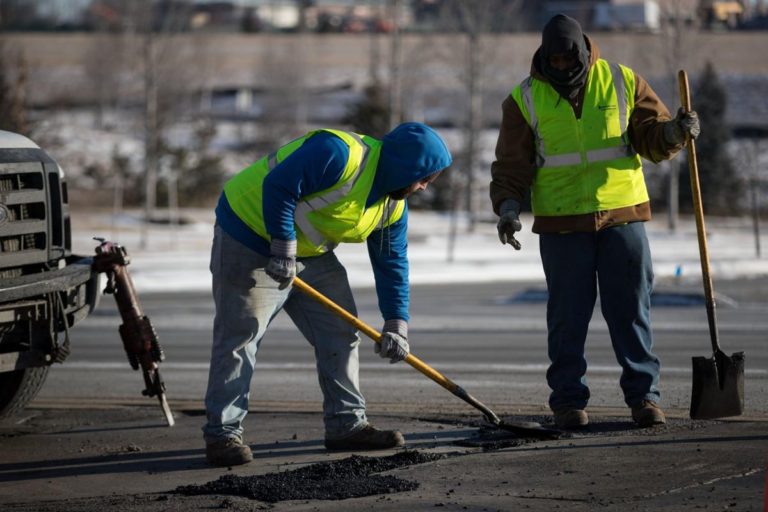
However, because the material does not bond as permanently as other repair methods, cold patch repairs are generally considered temporary. They are useful for stabilizing damaged pavement until more permanent repairs can be scheduled.
While cold patching serves an important purpose, it typically does not provide the longest-lasting pothole repair solution.
Hot Mix Asphalt Repairs
Hot mix asphalt is widely recognized as one of the most durable pothole repair methods.
This process involves removing loose and damaged asphalt, preparing the repair area, placing fresh hot asphalt, and compacting it to create a strong, seamless repair.
Because hot mix asphalt closely matches the original pavement, it provides excellent strength, durability, and weather resistance.
Proper installation creates a repair capable of handling heavy traffic, changing temperatures, and daily wear.
For many residential and commercial applications, hot mix asphalt remains one of the most reliable long-term pothole repair options.
Full-Depth Patching
When potholes result from deeper structural damage, surface repairs alone may not solve the problem.
Full-depth patching removes all damaged asphalt and any unstable base material beneath the surface.
After rebuilding the foundation, new asphalt is installed and compacted to restore structural integrity.
Although this repair method requires more labor and materials, it addresses the underlying cause of pavement failure rather than simply repairing the visible surface.
Full-depth patching often provides the longest service life for potholes associated with foundation damage.
Surface Patching
Surface patching focuses on repairing localized pavement damage without replacing deeper layers.
This method works well when deterioration is limited to the upper asphalt layer and the supporting base remains stable.
Surface patching restores smoothness while preventing water from entering damaged areas.
When performed on structurally sound pavement, this form of pothole repair can significantly extend pavement life while minimizing repair costs.
Infrared Asphalt Repair
Infrared repair is an advanced technique that heats existing asphalt until it becomes workable again.
Fresh asphalt is blended with the softened material before the repaired area is compacted into a seamless surface.
One advantage of infrared repair is that it creates strong bonding between old and new asphalt, reducing visible seams that may allow water infiltration.
This method works particularly well for localized pavement defects and offers attractive, long-lasting results when conditions are appropriate.
Spray Injection Repairs
Spray injection repairs use specialized equipment to clean the pothole, apply asphalt emulsion, inject aggregate, and compact the repaired area.
Because this process requires minimal excavation, repairs can often be completed efficiently with limited traffic disruption.
Spray injection is commonly used for roadway maintenance and can provide durable results when properly applied.
The success of this pothole repair method depends largely on proper equipment, application techniques, and pavement conditions.
Why Proper Preparation Is Essential
Regardless of the repair method selected, preparation is one of the most important steps.
Simply placing new asphalt into a damaged hole without removing loose material often leads to premature failure.
Professional preparation typically includes cleaning debris, removing deteriorated asphalt, evaluating the base, ensuring proper drainage, and preparing stable edges for bonding.
These steps help create repairs that remain durable under everyday traffic and changing weather conditions.
The Role of Pavement Foundation
Many potholes originate below the visible surface.
If the base beneath the asphalt has weakened due to moisture or poor drainage, even the highest-quality repair material may eventually fail.
Professional pothole repair includes evaluating whether the supporting foundation remains stable.
If base failure is present, rebuilding the affected section provides a much longer-lasting solution than repairing the surface alone.
Weather Conditions Affect Repair Performance
Kentucky weather creates ongoing challenges for asphalt pavement.
Hot summers soften asphalt, while winter freeze-thaw cycles expand trapped moisture inside cracks.
Heavy rainfall increases water infiltration that contributes to pothole formation.
Selecting repair methods designed to withstand these changing conditions significantly improves repair longevity.
Professional installation also ensures repairs are completed under appropriate weather conditions whenever possible.
Traffic Volume Influences Repair Selection
The amount and type of traffic using the pavement directly affect repair durability.
Residential driveways generally experience lighter vehicle loads than commercial parking lots or industrial facilities.
Areas exposed to delivery trucks, service vehicles, and heavy equipment require repair methods capable of handling greater stress.
Choosing the appropriate pothole repair method based on expected traffic helps maximize long-term performance.
Preventive Maintenance Extends Repair Life
Even the best pothole repairs benefit from ongoing pavement maintenance.
Routine inspections help identify new cracks before water reaches the pavement foundation.
Preventive maintenance may include:
- Crack sealing.
- Sealcoating.
- Drainage improvements.
- Surface patching.
- Edge stabilization.
These maintenance practices protect repaired areas while extending the lifespan of the entire pavement.
Why Delaying Repairs Makes Every Method Less Effective
Time is one of the biggest factors affecting pavement deterioration.
Small potholes become larger as moisture continues weakening the surrounding asphalt.
Additional traffic places greater stress on damaged sections, causing repair areas to expand.
The longer repairs are delayed, the more extensive—and expensive—the required work becomes.
Prompt pothole repair preserves more of the existing pavement while reducing the likelihood of structural reconstruction.
Choosing Between Temporary and Permanent Repairs
Every property has different maintenance needs.
Temporary repairs are often appropriate when immediate safety concerns must be addressed or weather conditions prevent permanent restoration.
Permanent repairs become the better investment when long-term pavement performance is the primary goal.
Experienced paving professionals evaluate the pavement’s condition before recommending the most appropriate solution.
Selecting the correct repair strategy helps property owners balance immediate costs with long-term value.
Common Mistakes That Reduce Repair Lifespan
Several factors can shorten the life of pothole repairs.
One common mistake is failing to remove all damaged asphalt before placing new material. Loose pavement prevents proper bonding and allows repairs to loosen over time.
Poor compaction is another frequent issue. Asphalt that is not properly compacted contains air pockets that reduce strength and increase water infiltration.
Ignoring drainage problems also contributes to recurring potholes. Even well-installed repairs may deteriorate if standing water continues weakening the pavement foundation.
Professional pothole repair addresses these issues during every stage of the repair process.
How to Know Which Repair Method Is Right
Every pothole is unique.
The ideal repair method depends on several considerations:
- Size and depth of the pothole.
- Condition of surrounding pavement.
- Age of the asphalt.
- Stability of the pavement base.
- Drainage performance.
- Expected traffic levels.
- Long-term maintenance goals.
A professional inspection provides the information needed to select the repair method that delivers the best combination of durability, appearance, and value.
Investing in Quality Repairs Saves Money
Choosing durable repair methods often reduces total ownership costs.
Although higher-quality repairs may require a slightly larger initial investment, they typically last much longer than temporary solutions.
Long-lasting pothole repair minimizes repeat maintenance, reduces disruptions, improves safety, and delays the need for complete pavement replacement.
For property owners focused on protecting their investment, quality workmanship consistently delivers greater long-term value.
Why Property Owners Choose Commonwealth Paving
When potholes begin appearing, selecting an experienced paving contractor is just as important as choosing the right repair method.
Commonwealth Paving provides dependable pothole repair solutions for residential and commercial properties throughout the Louisville area. Our team carefully evaluates each pavement surface to determine the underlying cause of deterioration before recommending the most effective repair approach.
Whether the damage requires localized patching, full-depth repairs, or additional pavement restoration, we focus on delivering solutions that maximize durability and protect your pavement investment.
Our commitment to quality materials, professional workmanship, and customer satisfaction allows property owners to enjoy smoother, safer, and longer-lasting asphalt surfaces.
Contact Commonwealth Paving Today
If your pavement has developed potholes, now is the ideal time to schedule professional pothole repair. Prompt action helps prevent further deterioration, extends pavement life, improves safety, and reduces long-term maintenance expenses.
Contact Commonwealth Paving today to learn more about our expert pothole repair services for residential and commercial properties.
Phone: +1 502 459 7283
Address: 136 Outer Loop, Louisville, Kentucky 40214
Whether your pavement has one pothole or several damaged areas, Commonwealth Paving is committed to providing reliable repair solutions that restore performance, enhance appearance, and protect your asphalt investment for years to come.
Address
Commonwealth Paving, 136 Outerloop, Louisville, Kentucky 40214
Phone: 502-459-7283, Fax: 502-456-2678
Opening Hours
| Monday | 9:00 AM – 5:00 PM |
| Tuesday | 9:00 AM – 5:00 PM |
| Wednesday | 9:00 AM – 5:00 PM |
| Thursday | 9:00 AM – 5:00 PM |
| Friday | 9:00 AM – 5:00 PM |
| Saturday | Closed |
| Sunday | Closed |