
Asphalt Crack Repair: Prevent Small Cracks from Becoming Costly Repairs
Asphalt pavement is built to withstand traffic, weather, and everyday use, but no pavement remains perfect forever. Over time, small cracks can begin appearing across parking lots, driveways, access roads, and other paved surfaces. While these cracks may look minor at first, ignoring them can allow moisture and other damaging elements to penetrate the pavement and gradually turn a simple maintenance issue into a costly repair.
That is why timely asphalt crack repair is an important part of responsible pavement maintenance. Taking care of cracks while they are still manageable can help protect the pavement surface, improve its appearance, and reduce the risk of more extensive deterioration.
For property owners in Louisville, Kentucky, Commonwealth Paving provides professional paving solutions designed to help keep asphalt surfaces in better condition. Located at 136 Outer Loop, Louisville, Kentucky 40214, Commonwealth Paving can be reached at +1 502 459 7283 for questions about asphalt maintenance and repair.
Why Asphalt Crack Repair Matters for Long-Term Pavement Protection
Small Cracks Can Become Bigger Problems
One of the easiest mistakes property owners can make is assuming that a small asphalt crack is not important. A narrow crack may appear to be nothing more than a cosmetic imperfection, but it can represent the beginning of pavement deterioration.
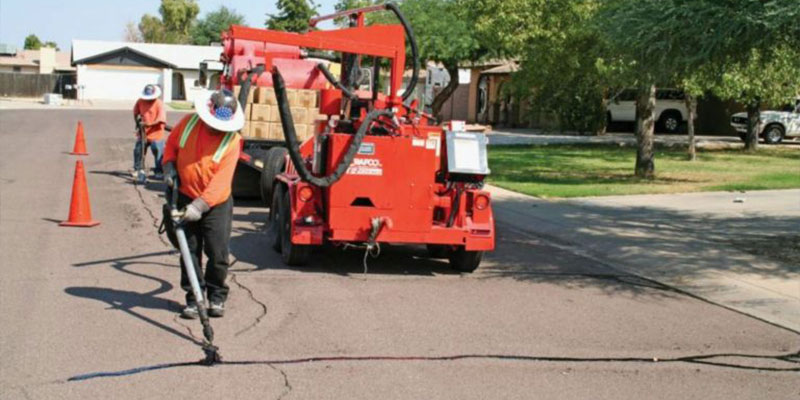
Asphalt surfaces are exposed to sunlight, rain, changing temperatures, vehicle traffic, and other environmental stresses. When a crack develops, it creates an opening in what was previously a relatively continuous pavement surface.
If that opening remains untreated, water can enter the crack and reach the materials beneath the asphalt. As moisture continues to penetrate the pavement, the supporting layers can gradually become weaker. Traffic then places additional stress on the affected area.
Over time, the original crack may become wider, longer, or connected to other cracks. What started as a small maintenance concern can eventually contribute to potholes, broken pavement, and larger areas of deterioration.
Water Can Accelerate Asphalt Damage
Water is one of the major factors that can contribute to pavement deterioration. Asphalt is designed to shed water, but cracks create openings where moisture can enter.
Once water gets below the surface, it can affect the supporting materials underneath the asphalt. Depending on drainage conditions, soil characteristics, and the condition of the pavement base, repeated moisture exposure can contribute to instability.
This is one reason asphalt crack repair should be considered part of a preventive maintenance strategy. Addressing cracks can help limit the opportunity for water to enter through those openings.
The goal is not simply to make pavement look smoother. Proper crack maintenance is about protecting the overall pavement system and reducing the possibility of preventable deterioration.
Louisville Weather Can Affect Cracked Pavement
Louisville experiences seasonal changes that can place additional stress on asphalt surfaces. Pavement must continually respond to changing temperatures and varying weather conditions.
During warmer periods, asphalt can expand. When temperatures fall, the pavement contracts. Repeated expansion and contraction can place stress on existing cracks.
Rainfall can add another challenge. Water may enter open cracks and contribute to deterioration beneath the surface. When temperatures change again, the pavement can experience additional movement.
This ongoing cycle demonstrates why addressing cracks early can be beneficial. A crack that appears small during one season may become considerably more noticeable after months of weather exposure.
Traffic Places Stress on Weak Areas
Every vehicle traveling over an asphalt surface contributes to normal pavement wear. Parking areas, driveways, access lanes, and commercial pavement can experience repeated vehicle movement throughout the day.
Cracked pavement can become particularly vulnerable when traffic repeatedly passes over damaged areas. The movement and weight associated with vehicles can increase stress around existing cracks.
Heavy or frequent traffic may accelerate deterioration when pavement is already compromised. Instead of waiting until the damaged area begins breaking apart, property owners can have cracks evaluated and determine whether asphalt crack repair is appropriate.
Delaying Maintenance Can Increase Repair Requirements
Preventive pavement maintenance is generally easier when problems are identified before they spread.
A small crack may require relatively focused attention. However, if the crack is allowed to deteriorate, surrounding asphalt may eventually become damaged as well.
Once cracking is accompanied by crumbling edges, potholes, depressions, or extensive interconnected cracks, the maintenance needs can become more involved.
This does not mean every crack will automatically lead to major pavement failure. The condition of the pavement, the cause of the cracking, drainage, traffic, and other factors all matter. However, early attention gives property owners a better opportunity to understand the condition of their pavement and make informed maintenance decisions.
What Causes Asphalt Cracks?
Asphalt cracks can develop for several different reasons. Understanding possible causes can help property owners recognize why regular pavement inspections are important.
Age is one common factor. As asphalt is exposed to sunlight, weather, moisture, and traffic over many years, its characteristics can change. Older pavement may become more susceptible to cracking.
Temperature fluctuations can also contribute to pavement movement. Repeated expansion and contraction can place stress on asphalt surfaces.
Water and drainage problems can contribute to deterioration, particularly when moisture repeatedly reaches the pavement structure.
Traffic loads may also play a role. Areas that experience frequent or heavy traffic can be subjected to greater stress.
Settlement or movement beneath the asphalt can create cracking as well. If the supporting layers shift or settle, the pavement surface may reflect that movement.
Because cracks can have different causes, a professional evaluation is useful when determining the appropriate maintenance approach.
Not Every Crack Should Be Treated the Same Way
It is tempting to look at every crack as the same type of problem, but pavement cracking can vary considerably.
Some cracks may be narrow and isolated, while others may be wider or appear in interconnected patterns. Cracks may also occur alongside other signs of pavement distress.
The surrounding pavement matters too. A crack in otherwise stable asphalt presents a different situation from cracking across a surface that already has extensive deterioration.
That is why asphalt crack repair should begin with an understanding of the pavement’s overall condition rather than simply focusing on the visible line in the surface.
Regular Inspections Can Catch Problems Early
One of the simplest ways to support pavement maintenance is to inspect asphalt surfaces regularly.
Property owners and managers can look for new cracks, changes in existing cracks, surface deterioration, drainage concerns, and areas where pavement appears to be changing.
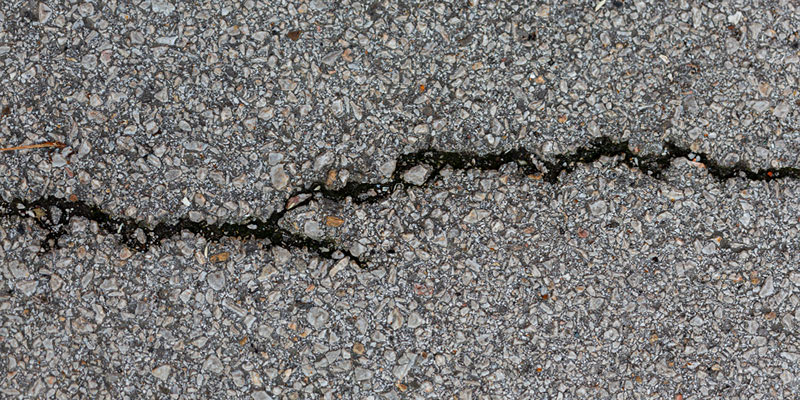
Early observations can be valuable because pavement problems often develop gradually. A small change may not seem important today, but noticing that change allows property owners to monitor it and seek professional guidance when necessary.
Regular inspections are particularly useful for larger parking areas and properties where pavement receives frequent traffic.
Asphalt Crack Repair Can Support a Preventive Strategy
Preventive maintenance is about addressing pavement concerns before they become larger problems.
Asphalt crack repair can be an important component of that strategy because cracks represent vulnerable areas in the pavement surface. Addressing them can help protect against moisture infiltration while keeping the pavement looking more maintained.
Crack repair should not be viewed as a replacement for every other type of pavement maintenance. Instead, it can be one part of an overall approach to preserving asphalt.
The right maintenance schedule depends on pavement age, traffic, weather exposure, drainage, surface condition, and other factors.
A Well-Maintained Surface Creates a Better First Impression
Pavement is often one of the first physical features people see when they arrive at a property.
A parking lot or driveway covered with cracks and deteriorated areas can create an impression of neglect. In contrast, properly maintained pavement can contribute to a cleaner and more professional appearance.
For commercial and property owners, maintaining asphalt is therefore not only about durability. It can also contribute to the overall presentation of the property.
Timely asphalt crack repair can help keep minor pavement imperfections from becoming increasingly visible and disruptive.
Common Warning Signs to Watch For
Property owners should pay attention when they notice changes in their asphalt surfaces. Certain signs may indicate that pavement deserves closer evaluation:
- Cracks that are becoming wider or longer.
- Multiple cracks appearing close together.
- Crumbling or broken asphalt around cracks.
- Water collecting near damaged pavement.
- Potholes developing near existing cracks.
- Depressed or uneven areas surrounding damaged pavement.
These signs do not automatically indicate that extensive pavement work is required, but they can be reasons to have the surface evaluated.
Why Professional Pavement Evaluation Is Valuable
A professional evaluation can provide a clearer picture of what is happening beneath the visible surface.
Instead of focusing only on the appearance of a crack, pavement professionals can consider its location, size, pattern, surrounding asphalt, drainage, traffic conditions, and other factors.
This broader perspective can help property owners determine whether a crack represents a minor maintenance concern or part of a more significant pavement problem.
For property owners considering asphalt crack repair, professional guidance can make it easier to prioritize maintenance and avoid unnecessary delays.
Protect Your Pavement Before Small Cracks Spread
The best time to think about pavement maintenance is before a small problem becomes a major one.
Cracks can expand gradually, especially when exposed to water, temperature changes, and repeated traffic. Waiting until pavement begins breaking apart can limit maintenance options and potentially increase the scope of the work required.
Taking action early allows property owners to focus on preservation rather than waiting for serious deterioration.
A proactive approach can include routine inspections, attention to drainage, timely crack maintenance, and professional evaluation when pavement conditions change.
Keep Your Asphalt Looking Better and Performing Better
Asphalt maintenance is an ongoing responsibility. Even durable pavement eventually requires attention, and small cracks are among the earliest signs that a surface may need maintenance.
By taking asphalt crack repair seriously, property owners can address vulnerable areas before they have more opportunity to deteriorate. Regular attention can help protect the pavement from moisture exposure and reduce the likelihood of small issues developing into larger maintenance concerns.
For Louisville property owners, Commonwealth Paving is available to discuss pavement maintenance and repair needs.
Make Asphalt Maintenance a Priority
Ignoring a small crack is easy. After all, it may not interfere with vehicles, pedestrians, or everyday property use. But pavement deterioration rarely improves simply because it is ignored.
A proactive maintenance mindset can make a meaningful difference. Identifying cracks, understanding their potential causes, and addressing them at an appropriate time can help property owners protect their pavement investment.
Asphalt crack repair is not simply about filling an unwanted line in the pavement. It is about taking a practical step toward maintaining the surface, limiting moisture exposure, and supporting the long-term condition of asphalt.
If you have noticed cracks developing across a parking lot, driveway, access area, or other asphalt surface, consider having the pavement evaluated before the damage progresses.
Commonwealth Paving serves Louisville, Kentucky, from 136 Outer Loop, Louisville, Kentucky 40214. To discuss your asphalt maintenance needs or learn more about asphalt crack repair, call +1 502 459 7283.
A small crack may be easy to overlook today, but timely attention can help prevent it from becoming a much bigger pavement concern tomorrow.
Why Asphalt Crack Repair Is Essential for Long-Lasting Pavement
Asphalt pavement is a valuable part of many properties, providing durable surfaces for parking lots, driveways, access roads, and other areas that experience regular vehicle traffic. Although asphalt is designed to withstand demanding conditions, it does not remain unaffected by weather, water, traffic, and time. One of the earliest signs of pavement deterioration is often a small crack.
A crack may appear insignificant when it first develops, but leaving it untreated can allow the problem to progress. Moisture can enter through openings in the pavement, temperature changes can cause cracks to expand, and repeated traffic can place additional stress on weakened areas. Over time, these factors can turn minor cracking into more extensive pavement damage.
This is why asphalt crack repair should be considered an important part of long-term pavement maintenance. Addressing cracks at the right time can help protect the pavement surface, improve its appearance, and reduce the possibility of more serious deterioration.
For property owners in Louisville, Kentucky, Commonwealth Paving provides professional paving solutions focused on maintaining and improving asphalt surfaces. Commonwealth Paving is located at 136 Outer Loop, Louisville, Kentucky 40214. Property owners can call +1 502 459 7283 to discuss their paving and pavement maintenance needs.
Why Asphalt Crack Repair Matters for Long-Lasting Pavement
Small Cracks Can Signal Bigger Pavement Problems
A small crack may not immediately affect the way a parking lot or driveway is used. Vehicles can still drive over it, and the pavement may continue to look relatively normal. However, visible cracking should not automatically be dismissed as a harmless cosmetic issue.
A crack creates an opening in the asphalt surface. That opening can allow moisture to move into areas that would otherwise remain protected. Once water begins reaching the layers beneath the pavement, the condition of the surrounding surface may gradually change.
As the crack becomes wider or extends into nearby areas, additional stress can develop around it. Eventually, the pavement may begin to break apart or develop other forms of deterioration.
Timely asphalt crack repair gives property owners an opportunity to address these vulnerable areas before they have more time to develop into larger concerns.
Water Can Work Its Way Beneath the Surface
Moisture is one of the major factors that can contribute to asphalt deterioration. A properly maintained pavement surface helps direct water away from the pavement structure, but cracks can create pathways for moisture to enter.
Once water reaches the underlying layers, the effect can depend on drainage, soil conditions, pavement construction, and other factors. Repeated moisture exposure can weaken supporting materials and contribute to instability.
Traffic passing over an area with weakened support can increase stress on the pavement. This may eventually lead to additional cracking, depressions, potholes, or broken sections.
By addressing cracks before they become more extensive, property owners can take a proactive step toward protecting their pavement from unnecessary moisture exposure.
Changing Temperatures Put Stress on Asphalt
Asphalt responds to changes in temperature. During warm weather, pavement can expand, while cooler temperatures can cause it to contract.
This repeated movement can place stress on existing cracks. A small crack may gradually become wider as the pavement continues to expand and contract throughout changing seasons.
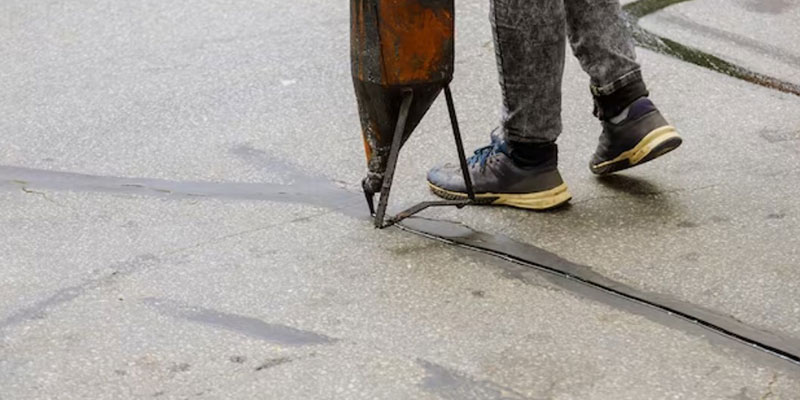
Louisville properties experience a range of weather conditions during the year, making seasonal pavement maintenance particularly important. Rain, heat, cold temperatures, and changing weather patterns can all influence the condition of asphalt.
When cracks are already present, these environmental factors can contribute to their progression. Regular inspections and timely asphalt crack repair can help property owners stay ahead of visible pavement deterioration.
Traffic Can Accelerate Existing Damage
Asphalt is built to handle vehicle traffic, but repeated traffic still places stress on pavement. Parking lots, driveways, access lanes, and commercial properties can experience hundreds or thousands of vehicle movements over time.
When traffic repeatedly passes over cracked pavement, the damaged area may experience additional movement and stress. The heavier or more frequent the traffic, the more important pavement condition can become.
Cracks that remain open can gradually become wider or connect with nearby cracks. In areas where pavement is already aging or weakened, traffic may contribute to faster deterioration.
Addressing cracks as part of a regular maintenance plan can help property owners manage these concerns before the surface becomes significantly damaged.
Asphalt Crack Repair Helps Support Preventive Maintenance
Good pavement maintenance is not only about fixing major problems after they appear. It is also about identifying smaller issues and addressing them before they become more difficult to manage.
Asphalt crack repair can play an important role in preventive pavement maintenance. By addressing cracks while they are still manageable, property owners can help reduce exposure to moisture and maintain a more consistent pavement surface.
Preventive maintenance can also make it easier to monitor the overall condition of asphalt. Instead of waiting for potholes or widespread deterioration, property owners can take action when early warning signs appear.
The appropriate repair approach depends on the type of crack, pavement condition, location, traffic, and other factors. A professional evaluation can help determine the best course of action.
Different Types of Cracks Can Have Different Causes
Not all asphalt cracks develop for the same reason. Some may be associated with normal aging, while others may indicate movement or problems beneath the surface.
Temperature-related cracking can occur as asphalt repeatedly expands and contracts. Other cracking may develop from traffic stress, moisture exposure, settlement, or changes in the underlying pavement structure.
The pattern of cracking can also provide useful information. An isolated crack may represent a different maintenance concern than a pavement surface covered with interconnected cracks.
This is why simply looking at a crack and assuming that every situation requires the same treatment may not provide the best solution. Understanding the pavement’s overall condition is an important part of determining appropriate maintenance.
Delayed Repairs May Lead to More Extensive Damage
One of the biggest advantages of addressing asphalt cracks early is the opportunity to prevent minor deterioration from spreading.
A small crack does not necessarily mean that major pavement failure is imminent. However, leaving cracks exposed to moisture, traffic, and weather for extended periods gives those factors more opportunity to affect the pavement.
As deterioration progresses, additional problems may appear around the original crack. The asphalt can begin to crumble, potholes may develop, and larger areas may require attention.
Early asphalt crack repair can help property owners focus on pavement preservation rather than waiting for more significant deterioration.
Cracked Pavement Can Affect Property Appearance
The condition of a parking lot or driveway can influence how visitors perceive a property. Cracked and deteriorated pavement can make an otherwise well-maintained property appear older or neglected.
For commercial properties, this can be particularly noticeable because parking areas and entrances are often among the first areas customers and visitors encounter.
Maintaining asphalt can contribute to a cleaner, more organized appearance. Addressing visible cracks can help prevent minor pavement imperfections from becoming increasingly noticeable.
A well-maintained pavement surface can also provide a more comfortable environment for people using the property.
Regular Inspections Make Pavement Problems Easier to Notice
Property owners should not wait until pavement damage becomes severe before examining the surface.
Regular visual inspections can help identify new cracks, changes in existing cracks, broken asphalt, drainage issues, uneven areas, and other signs of deterioration.
A useful inspection should consider more than individual cracks. Look at the overall pavement surface and pay attention to areas that experience heavy traffic or frequent water exposure.
Early identification does not mean every problem requires immediate extensive work. Instead, it gives property owners an opportunity to understand what is happening and determine whether professional maintenance is appropriate.
Warning Signs That Deserve Attention
Several visible changes may indicate that an asphalt surface needs closer evaluation:
- Cracks are becoming wider, longer, or more numerous.
- Multiple cracks are beginning to connect.
- Asphalt around cracks is breaking or crumbling.
- Water remains near damaged pavement after rainfall.
- Potholes or depressions are appearing near cracked areas.
- The pavement surface appears uneven or unstable.
These signs should not be ignored simply because the pavement remains usable. Early attention may provide an opportunity to address deterioration before it becomes more extensive.
Proper Maintenance Can Protect Your Pavement Investment
Installing or maintaining asphalt represents an investment in a property’s functionality and appearance. Property owners naturally want that investment to remain useful for as long as possible.
Routine maintenance can support the long-term condition of pavement by addressing developing problems and monitoring changes over time.
Asphalt crack repair is one part of this approach. It can help address vulnerable areas before cracks become more extensive and can contribute to an overall pavement preservation strategy.
The key is consistency. Pavement should be inspected periodically rather than only when a major problem becomes impossible to ignore.
Professional Evaluation Can Provide Better Insight
Visible pavement damage does not always reveal what is happening beneath the surface. A professional evaluation can consider the crack’s appearance, location, surrounding pavement, drainage, traffic patterns, and other conditions.
This broader assessment can help determine whether a crack is primarily a surface maintenance concern or whether it may be associated with a larger pavement issue.
For property owners, this can make maintenance decisions more informed and practical.
When you notice new cracking or changes in existing asphalt, seeking professional guidance can help you understand the condition of the pavement and determine appropriate next steps.
Protect Your Pavement Before Cracks Spread
The best time to think about pavement maintenance is before damage becomes widespread.
Small cracks may not seem urgent, but they can become pathways for moisture and weak points that are repeatedly exposed to traffic and changing temperatures. Addressing them early is a practical way to support pavement preservation.
A proactive maintenance strategy can include regular inspections, attention to drainage, timely repairs, and professional evaluation when pavement conditions change.
Rather than waiting for a small crack to become a large pavement problem, property owners can take action while maintenance is still manageable.
Make Asphalt Maintenance Part of Your Property Care
Long-lasting pavement does not happen simply because asphalt is durable. It requires attention throughout its service life.
Weather, water, traffic, age, and underlying conditions can all influence how asphalt performs. Regular maintenance helps property owners identify these challenges and respond before they become more difficult to manage.
Asphalt crack repair can be a valuable part of that maintenance strategy. Addressing cracks can help protect the pavement surface, reduce potential moisture entry, and maintain a cleaner appearance.
For Louisville property owners, Commonwealth Paving can help address asphalt maintenance and paving needs with professional solutions tailored to the condition of the pavement.
Keep Small Cracks From Becoming Major Concerns
A crack may begin as a thin line that is easy to overlook. Months or years later, however, that same area may become wider, surrounded by deterioration, or connected to other pavement damage.
The difference often comes down to timing.
By paying attention to early warning signs and considering asphalt crack repair when appropriate, property owners can take a proactive approach to pavement care. Early maintenance can help protect the value and usability of the pavement while reducing the likelihood that minor deterioration progresses unchecked.
If you have noticed cracks developing in your driveway, parking lot, access road, or other asphalt surface, now is a good time to evaluate their condition rather than waiting for them to become more serious.
Commonwealth Paving is located at 136 Outer Loop, Louisville, Kentucky 40214 and serves property owners looking for professional asphalt and paving solutions. To learn more about asphalt crack repair or discuss your pavement maintenance needs, call +1 502 459 7283.
Long-lasting pavement starts with timely attention. When small cracks appear, addressing them early can be one of the smartest steps toward keeping your asphalt functional, attractive, and better protected for years to come.
Address
Commonwealth Paving, 136 Outerloop, Louisville, Kentucky 40214
Phone: 502-459-7283, Fax: 502-456-2678
Opening Hours
| Monday | 9:00 AM – 5:00 PM |
| Tuesday | 9:00 AM – 5:00 PM |
| Wednesday | 9:00 AM – 5:00 PM |
| Thursday | 9:00 AM – 5:00 PM |
| Friday | 9:00 AM – 5:00 PM |
| Saturday | Closed |
| Sunday | Closed |