
How Long Does a Millings Driveway Last? Maintenance Tips and Expectations
A driveway is a major part of a property’s exterior, and choosing the right paving material can influence both its appearance and long-term maintenance needs. For property owners looking for a practical alternative to conventional asphalt, a millings driveway can be an attractive option. Made from reclaimed asphalt pavement, asphalt millings can create a durable, functional surface when properly prepared, installed, and maintained.
But how long does a millings driveway actually last?
There is no single lifespan that applies to every property. A well-constructed millings driveway can provide many years of reliable service, while poor drainage, inadequate preparation, heavy traffic, weather exposure, and neglected maintenance can shorten its useful life. The quality of installation and the conditions surrounding the driveway are just as important as the material itself.
Understanding what affects longevity can help property owners make informed decisions and protect their investment.
For property owners in Louisville, Kentucky, Commonwealth Paving provides paving and pavement improvement services. To discuss your driveway needs, contact Commonwealth Paving at +1 502 459 7283 or visit 136 Outer Loop, Louisville, Kentucky 40214.
What Is a Millings Driveway?
A millings driveway is a driveway constructed using reclaimed asphalt pavement, commonly called asphalt millings. These materials are produced when existing asphalt pavement is removed or resurfaced and then processed for reuse.
Instead of discarding the reclaimed material, asphalt millings can be placed and compacted to create a firm driveway surface.
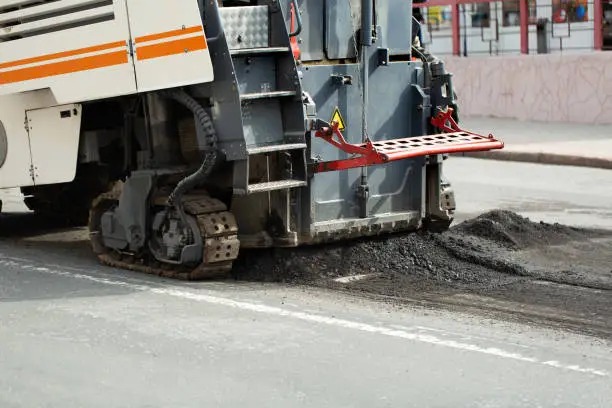
The material contains asphalt components and aggregate, allowing it to behave differently from loose gravel. With proper compaction and favorable conditions, millings can create a relatively smooth, stable surface suitable for residential driveways, private roads, parking areas, and other applications.
The final performance depends heavily on preparation, grading, drainage, compaction, traffic, and ongoing maintenance.
How Long Can a Millings Driveway Last?
A properly installed millings driveway can potentially remain functional for many years, but its exact lifespan varies considerably.
For some properties, a well-maintained surface may provide a decade or more of useful service before significant rehabilitation becomes necessary. Other driveways may require attention much sooner if they experience heavy traffic, poor drainage, inadequate base preparation, or severe weather exposure.
It is better to think of longevity as a range influenced by conditions rather than a guaranteed number of years.
The biggest factors include the quality of the foundation, how effectively water drains from the property, how well the millings are compacted, how much traffic the driveway receives, and how promptly maintenance issues are addressed.
Why Installation Quality Matters
The foundation beneath a driveway plays a major role in its long-term performance.
If millings are placed over unstable soil, soft areas, or an inadequate base, the surface may develop depressions, ruts, or uneven sections. Vehicle traffic can gradually worsen these problems.
Proper site preparation helps create a stable foundation capable of supporting expected loads.
For a millings driveway, preparation may involve clearing the area, establishing appropriate grades, addressing soft spots, creating a suitable base, and ensuring that water can drain properly.
A strong foundation can make a significant difference in how the finished driveway performs.
Compaction Is Essential
Compaction is one of the most important factors affecting the performance of asphalt millings.
Loose millings need to be compacted properly so the material forms a dense, stable surface. Insufficient compaction can leave the driveway vulnerable to movement, rutting, and displacement.
Proper compaction helps the particles interlock and creates a firmer driving surface.
The appropriate equipment and process can depend on the project size, material condition, moisture, temperature, and underlying base.
A carefully compacted millings driveway is generally better positioned to withstand repeated vehicle traffic than a surface that has simply been spread without adequate compaction.
Drainage Has a Major Impact
Water is one of the most important factors affecting driveway longevity.
If rainwater collects on the surface or remains around the edges, it can weaken the underlying soil and contribute to movement or erosion. Persistent moisture can also create soft areas that become vulnerable under vehicle loads.
A millings driveway should therefore be graded so water can move away efficiently.
Property owners should pay attention to low areas where water collects after storms. If puddles repeatedly form in the same location, the problem should be addressed rather than ignored.
Good drainage can help protect the driveway from premature deterioration.
Traffic and Vehicle Weight Matter
A driveway used primarily by passenger vehicles will experience different stresses from one regularly used by heavy trucks, trailers, equipment, or commercial vehicles.
Repeated heavy loads can contribute to rutting and surface movement, especially if the underlying base was not designed for those loads.
When planning a millings driveway, property owners should consider how the driveway will actually be used.
If large vehicles frequently enter the property, the foundation and surface should be designed accordingly.
Weather Can Influence Longevity
Outdoor pavement is constantly exposed to changing weather conditions. Rain, sunlight, temperature fluctuations, moisture, and seasonal changes can all affect driveway performance.
Louisville properties experience a range of weather conditions throughout the year. Water infiltration, freezing temperatures, thawing cycles, and summer heat can place different types of stress on pavement.
A well-constructed millings driveway can handle normal environmental exposure, but poor drainage or inadequate preparation may make seasonal changes more damaging.
Regular inspections can help property owners identify problems before weather accelerates them.
Freeze-Thaw Cycles Deserve Attention
When water enters the pavement system and temperatures drop below freezing, the water can freeze and expand. As temperatures rise, it melts and leaves behind additional space.
Repeated freeze-thaw cycles can contribute to movement and deterioration, particularly where drainage is poor.
Property owners should inspect their millings driveway after winter for depressions, ruts, soft areas, and drainage-related problems.
Addressing these issues early can help prevent small defects from becoming larger maintenance projects.
Sunlight and Surface Aging
Sunlight can gradually affect pavement materials over time. Although a millings driveway may not have the same appearance as newly installed conventional asphalt, continued environmental exposure can still influence the surface.
Areas that become dry, loose, dusty, or uneven should be monitored.
Routine maintenance can help keep the driveway functional and attractive while addressing surface changes before they become more serious.
Regular Grading Can Help
A millings driveway may benefit from periodic maintenance depending on its use and condition.
Vehicle traffic, rainfall, and seasonal weather can gradually move surface material or create minor depressions.
Regrading affected areas can help restore a more consistent surface and improve drainage.
The need for grading depends on the property’s traffic, slope, soil conditions, drainage, and overall driveway performance.
Watch for Ruts and Depressions
Ruts are elongated depressions that may develop along frequently traveled tire paths.
They can result from repeated vehicle loading, insufficient compaction, water-related weakening, or an inadequate foundation.
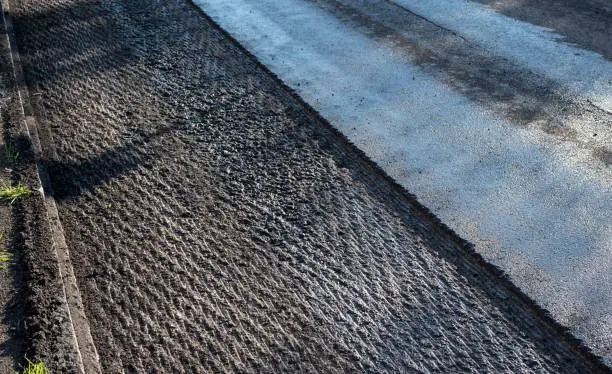
Small ruts should be monitored because they can become more pronounced over time.
If a millings driveway develops repeated ruts in the same locations, the underlying cause should be investigated rather than simply adding more surface material.
Repair Potholes Promptly
Potholes can develop when water, traffic, and pavement deterioration combine to weaken a localized area.
Although a small pothole may initially appear insignificant, repeated vehicle impacts can cause it to expand.
Prompt repair can help prevent the damaged area from spreading into the surrounding driveway.
Property owners should inspect their millings driveway after severe weather and address potholes before they become larger and more difficult to repair.
Keep the Edges Maintained
Driveway edges can be particularly vulnerable to erosion, vehicle movement, and water runoff.
If grass, soil, or landscaping is significantly higher than the driveway surface, water may be directed onto the pavement rather than away from it.
Likewise, vehicles repeatedly driving over unsupported edges can cause material to move outward.
Maintaining the edges of a millings driveway can help preserve its shape and improve drainage.
Keep Drainage Paths Clear
Even a properly graded driveway can experience problems if nearby drainage paths become blocked.
Leaves, soil, vegetation, and other debris can prevent water from moving away efficiently.
Property owners should inspect drainage routes periodically and keep them clear.
This simple maintenance step can help protect a millings driveway from unnecessary water-related deterioration.
Avoid Unnecessary Heavy Loads
One of the easiest ways to extend driveway life is to avoid exposing the surface to loads it was not designed to handle.
If possible, minimize repeated heavy vehicle traffic on areas that are primarily intended for passenger vehicles.
When heavy vehicles are necessary, property owners should monitor the driveway for rutting, settlement, and surface movement.
Understanding the intended use of a millings driveway can help establish realistic expectations for its lifespan.
Maintain the Driveway After Severe Weather
Severe rainfall and seasonal weather changes can reveal problems that may not have been obvious previously.
After major storms, inspect the driveway for:
- New potholes or depressions
- Standing water
- Washed-out edges
- Ruts or displaced millings
- Soft or unstable areas
- Changes in drainage patterns
Early identification makes it easier to address problems before they spread.
Avoid Neglecting Small Problems
One of the biggest mistakes property owners can make is waiting until a driveway becomes visibly damaged before taking action.
A small drainage issue can eventually create a soft area. A small rut can deepen with repeated traffic. A minor edge problem can develop into erosion.
Routine maintenance is generally easier when problems are still localized.
A proactive approach can help a millings driveway remain functional and attractive for a longer period.
Signs Your Millings Driveway Needs Attention
Property owners should periodically evaluate the surface rather than relying only on how it looks from the house.
Several warning signs can indicate that maintenance may be necessary:
- Increasing ruts along tire paths
- Recurring puddles after rainfall
- Loose or displaced surface material
- Growing potholes
- Eroding driveway edges
- Areas that feel soft under vehicle loads
- Uneven sections that continue to worsen
These signs do not necessarily mean the entire driveway needs replacement. They simply indicate that the surface should be evaluated and appropriate maintenance considered.
Can a Millings Driveway Be Resurfaced?
One advantage of asphalt millings is that maintenance can sometimes involve localized rehabilitation rather than immediately replacing the entire driveway.
Depending on the condition, additional material may be placed over selected areas, low sections may be regraded, and drainage or base problems may be addressed.
The appropriate solution depends on why the driveway is deteriorating.
If the underlying foundation remains stable, maintenance may be relatively straightforward. If the base or soil has failed, more extensive work may be required.
Millings Driveway vs. Neglected Pavement
The longevity of any driveway depends heavily on maintenance.
A properly installed millings driveway that receives timely attention to drainage, potholes, ruts, and edges can remain functional considerably longer than a similar driveway that is ignored.
This highlights an important point: material selection is only one part of driveway performance.
Installation quality and maintenance habits can be equally important.
Consider Your Long-Term Expectations
A millings driveway should be selected with realistic expectations. It may provide a practical and durable surface, but its appearance and maintenance requirements can differ from conventional asphalt.
Property owners should consider how the driveway will be used, how much traffic it will receive, how water moves across the property, and what level of maintenance they are prepared to perform.
When these factors are understood in advance, it becomes easier to determine whether a millings driveway is a good fit.
Professional Millings Driveway Services in Louisville
The lifespan of a millings driveway depends on several interconnected factors. Proper site preparation, a stable base, effective drainage, thorough compaction, appropriate traffic loads, favorable site conditions, and regular maintenance can all contribute to longer service life.
For property owners in Louisville, Kentucky, Commonwealth Paving can assist with paving and driveway improvement needs. To discuss your project, contact Commonwealth Paving at +1 502 459 7283 or visit 136 Outer Loop, Louisville, Kentucky 40214.
Protect Your Millings Driveway Investment
A millings driveway can provide a practical, durable surface when it is properly installed and maintained. While no driveway has a guaranteed lifespan, thoughtful construction and proactive maintenance can make a significant difference in how long the surface remains functional.
Pay close attention to drainage, traffic, ruts, potholes, edges, and areas of settlement. Inspect the driveway after severe weather and address developing problems before they spread.
The most important expectation is that longevity is not determined by the material alone. A quality foundation, proper compaction, good water management, appropriate vehicle use, and regular maintenance all work together.
For property owners considering a millings driveway, taking the time to plan the project properly can provide a strong foundation for long-term performance. With professional guidance from Commonwealth Paving and consistent care after installation, your driveway can remain a practical and attractive part of your property for many years.
Millings Driveway Installation: Everything You Need to Know Before You Start
Choosing the right driveway surface is an important decision for any property owner. A driveway needs to withstand regular vehicle traffic, changing weather, moisture, and everyday wear while also providing dependable access to the property. For those considering an alternative to traditional paving materials, a millings driveway can offer a practical and versatile option.
Asphalt millings are reclaimed asphalt material produced when existing asphalt pavement is removed or resurfaced. When properly prepared, placed, graded, and compacted, these recycled materials can create a firm driveway surface suitable for many residential and private-property applications.
However, a successful millings driveway installation involves more than spreading reclaimed asphalt over the ground. Site preparation, drainage, grading, base stability, material placement, and compaction all influence the finished result.
Before starting your project, understanding these factors can help you make better decisions, avoid common problems, and establish realistic expectations.
For property owners in Louisville, Kentucky, Commonwealth Paving provides paving and pavement improvement services. To discuss your driveway project, contact Commonwealth Paving at +1 502 459 7283 or visit 136 Outer Loop, Louisville, Kentucky 40214.
What Is a Millings Driveway?
A millings driveway is a driveway constructed using reclaimed asphalt pavement, commonly referred to as asphalt millings. These materials are created when old asphalt pavement is removed, processed, and prepared for reuse.
Instead of becoming waste, the reclaimed material can be used for new paving applications. Asphalt millings contain aggregate and residual asphalt binder, which can help them form a stable surface when properly compacted.
The resulting driveway may have a different appearance from newly paved conventional asphalt. It typically has a textured, recycled-asphalt appearance and can provide a practical driving surface when installation is handled correctly.
Why Property Owners Choose Asphalt Millings
There are several reasons property owners may consider a millings driveway.
Reclaimed asphalt can provide a practical solution for driveways, private access roads, parking areas, and other surfaces where property owners want a durable driving surface without necessarily using newly produced asphalt.
Millings can also be particularly useful for properties where maintaining a traditional paved appearance is less important than creating a stable, functional surface.
The material’s performance depends heavily on the site and installation process, so property owners should evaluate the complete project rather than focusing only on the material itself.
Start With a Site Evaluation
Before installation begins, the property should be evaluated carefully.
Look at the existing ground conditions, slope, drainage, soil stability, surrounding structures, property boundaries, and expected vehicle traffic.
A driveway that looks level from a distance may have subtle low spots where water collects. Soft soil may also be hidden beneath vegetation or an existing surface.
Identifying these conditions before installation can prevent problems later.
A professional site evaluation can help determine what preparation is required for a stable millings driveway.
Plan the Driveway’s Width and Layout
Before work begins, determine exactly where the driveway will run and how wide it needs to be.
Consider how vehicles will enter and exit, where they will turn, and whether larger vehicles such as trucks or trailers will use the surface.
The driveway should provide enough space for normal vehicle movement without unnecessarily expanding the paved area.
Planning the layout in advance can also help ensure that drainage and property access are considered from the beginning.
Soil Conditions Matter
The ground beneath a driveway provides important support.
If the soil is soft, unstable, or saturated with water, the surface above it may eventually settle or develop ruts.
This is particularly important for a millings driveway because the recycled asphalt material still depends on a stable foundation beneath it.
Areas with weak soil may require additional preparation or stabilization before the millings are placed.
Establish a Strong Base
The base is one of the most important components of a successful driveway installation.
A strong base helps distribute vehicle loads and provides stability for the surface material.
If the base is inadequate, the finished driveway may develop depressions, ruts, movement, or uneven areas.
The appropriate base preparation depends on the existing soil, expected traffic, drainage, and site conditions.
A properly prepared foundation can significantly improve the performance of a millings driveway.
Drainage Should Be Planned First
Water management is one of the most important considerations before installing any driveway.
Rainwater should be directed away from the driving surface rather than allowed to collect in low spots.
Poor drainage can weaken the soil beneath the driveway and contribute to rutting, settlement, erosion, and other forms of deterioration.
Before placing millings, evaluate the property’s natural slope and determine where water will travel after rainfall.
A well-planned millings driveway should work with the property’s drainage rather than against it.
Look for Existing Water Problems
If the current ground or driveway regularly develops puddles, simply covering it with millings may not solve the problem.
Standing water should be investigated before installation.
Look for clogged drainage areas, low sections, improperly graded ground, and runoff from nearby surfaces.
Addressing these problems before placing the driveway material can help reduce the risk of future deterioration.
Prepare the Existing Surface
The amount of preparation required depends on what currently exists at the site.
An existing driveway may need damaged material removed or unstable areas corrected. A new driveway over bare soil may require clearing, grading, and base preparation.
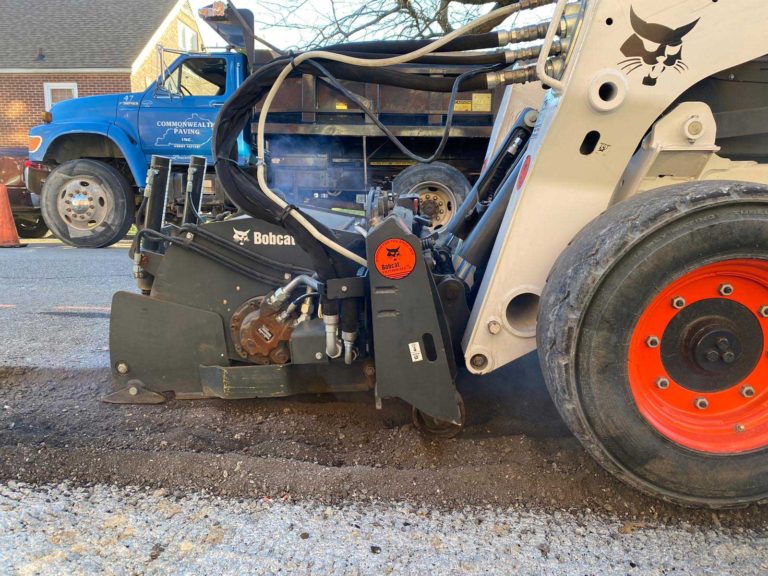
Vegetation and organic material should not simply be covered without considering the stability of the underlying ground.
Proper preparation creates a stronger foundation for the millings driveway and can help prevent future settlement.
Grade the Driveway Correctly
Grading determines how water moves across the driveway.
A properly graded surface allows rainfall to move away efficiently while maintaining a comfortable driving surface.
The driveway should not have unnecessary low spots where water can collect.
Professional grading can help balance drainage requirements with vehicle access, surrounding property elevations, and existing structures.
Choose Appropriate Millings Material
Not all reclaimed asphalt material is necessarily identical.
The characteristics of millings can vary depending on their original source, processing, aggregate composition, and condition.
Property owners should consider the quality and suitability of the material before installation.
The material should be appropriate for the intended application and capable of being properly compacted.
Choosing suitable material is an important part of creating a durable millings driveway.
Spread the Millings Evenly
Once the site and base are prepared, the millings need to be placed consistently across the driveway.
Uneven placement can create variations in surface thickness and make proper compaction more difficult.
The material should be distributed according to the planned driveway profile.
Consistent placement helps create a more uniform finished surface.
Compaction Is Critical
Compaction is one of the most important steps in millings driveway installation.
Loose millings need to be compressed so the particles interlock and form a dense surface.
Insufficient compaction can leave the driveway vulnerable to movement, rutting, and surface displacement.
The appropriate equipment and compaction process depend on the size of the driveway, material conditions, moisture, and underlying base.
Proper compaction helps transform loose millings into a more stable driving surface.
Allow the Driveway to Settle
A newly installed millings driveway may continue to settle and consolidate after installation.
Vehicle traffic can contribute to additional compaction over time, although the initial installation should still include appropriate mechanical compaction.
Property owners should monitor the driveway during the early stages and watch for areas that develop unexpected depressions or movement.
Addressing these issues early can help maintain a more consistent surface.
Consider Vehicle Traffic Before Installation
A driveway used only by passenger cars will experience different loads from one used regularly by heavy trucks or equipment.
If the property receives large delivery vehicles, trailers, or other heavy traffic, the driveway should be designed with those loads in mind.
A millings driveway that is not adequately prepared for its intended traffic may develop ruts or settlement more quickly.
Being realistic about vehicle use helps establish appropriate expectations.
Consider the Local Climate
Weather conditions can influence driveway performance.
Louisville properties experience rainfall, summer heat, cold temperatures, and seasonal changes. These conditions can affect soil moisture, drainage, and pavement movement.
Water management becomes particularly important because seasonal moisture can weaken the supporting layers if drainage is inadequate.
A well-prepared millings driveway should be designed with local environmental conditions in mind.
Plan for Winter Conditions
Cold weather and freeze-thaw cycles can affect the ground beneath a driveway.
Water that enters weak areas can freeze and expand, while thawing may leave the supporting soil less stable.
Property owners should inspect the driveway after winter for new ruts, depressions, soft spots, and drainage problems.
Good drainage and a strong foundation can help reduce the impact of seasonal conditions.
Maintain the Driveway Edges
Edges are often overlooked during driveway installation.
If the sides of a millings driveway are not properly supported, vehicles may push material outward over time.
Water can also erode unsupported edges.
The driveway edges should be planned with surrounding landscaping, drainage, and vehicle movement in mind.
Regularly checking the edges can help identify erosion or displacement before it becomes significant.
Watch for Ruts and Potholes
Even a properly installed driveway can eventually develop minor imperfections.
Repeated vehicle traffic, heavy loads, drainage problems, and weather can contribute to ruts or potholes.
Property owners should inspect the surface regularly and address developing problems promptly.
Early maintenance can help prevent localized damage from spreading across a larger section of the millings driveway.
Keep Drainage Paths Clear
After installation, drainage maintenance remains important.
Leaves, dirt, grass, and other debris can block drainage routes and cause water to collect around the driveway.
Property owners should periodically inspect areas where water leaves the pavement and keep drainage paths clear.
Good drainage is one of the simplest ways to protect a driveway investment.
Avoid Ignoring Small Surface Problems
A small depression may not seem important, but it can become a recurring water-collection point.
Similarly, a minor rut can become deeper when vehicles repeatedly follow the same path.
Property owners should monitor these areas and address them before they become major problems.
Routine maintenance can help extend the useful life of a millings driveway.
Signs Your Driveway Needs Maintenance
Property owners should look for:
- Standing water after rainfall
- Deepening tire ruts
- Loose or displaced millings
- Potholes or depressions
- Eroding edges
- Soft areas beneath vehicle tires
- Drainage changes around the driveway
These warning signs do not necessarily mean the entire driveway needs replacement. They indicate that the affected area should be evaluated and maintained.
How Long Can a Millings Driveway Last?
There is no guaranteed lifespan for a millings driveway because performance depends on installation quality, traffic, drainage, soil conditions, weather, and maintenance.
A properly installed and maintained surface can provide many years of useful service.
However, poor drainage, weak soil, inadequate compaction, and heavy traffic can significantly shorten its useful life.
The most important factor is not simply how old the driveway is but how well it is performing and whether problems are being addressed.
Is a Millings Driveway Right for Your Property?
Before choosing asphalt millings, consider your priorities.
A millings driveway can be a practical option for property owners who want a functional recycled-asphalt surface and are comfortable with its appearance and maintenance requirements.
It may be particularly suitable for residential driveways, private roads, access areas, and other applications where functionality and durability are priorities.
However, property owners should consider site conditions, traffic, drainage, and long-term expectations before making a decision.
Why Professional Installation Can Make a Difference
The installation process has a major influence on the finished driveway.
Proper grading, base preparation, drainage planning, material placement, and compaction require careful attention to detail.
Professional experience can help identify conditions that may otherwise be overlooked, particularly when the property has challenging soil, drainage, or elevation issues.
A carefully installed millings driveway is more likely to provide the stability and performance property owners expect.
Professional Millings Driveway Installation in Louisville
Installing a millings driveway requires more planning than simply spreading reclaimed asphalt over an existing surface. The ground must be evaluated, drainage should be addressed, the foundation should be prepared appropriately, and the millings must be placed and compacted correctly.
For property owners in Louisville, Kentucky, Commonwealth Paving provides driveway and pavement improvement services. To discuss your project, contact Commonwealth Paving at +1 502 459 7283 or visit 136 Outer Loop, Louisville, Kentucky 40214.
Start Your Driveway Project With the Right Preparation
A successful millings driveway begins long before the first load of reclaimed asphalt arrives. Understanding the property’s soil, drainage, traffic, layout, and existing surface conditions can help prevent problems and establish a stronger foundation for the project.
Proper grading and drainage help protect the driveway from water-related deterioration. Adequate base preparation provides stability, while thorough compaction helps create a dense and dependable surface.
After installation, regular inspections and timely maintenance can further extend the driveway’s useful life. Watching for ruts, potholes, drainage problems, loose material, and edge erosion allows property owners to address issues while they remain manageable.
If you are considering a millings driveway, thoughtful planning and professional installation can make a substantial difference. With the right preparation, appropriate materials, careful compaction, and ongoing maintenance, a millings driveway can provide a practical, durable surface for everyday property access for many years.
Address
Commonwealth Paving, 136 Outerloop, Louisville, Kentucky 40214
Phone: 502-459-7283, Fax: 502-456-2678
Opening Hours
| Monday | 9:00 AM – 5:00 PM |
| Tuesday | 9:00 AM – 5:00 PM |
| Wednesday | 9:00 AM – 5:00 PM |
| Thursday | 9:00 AM – 5:00 PM |
| Friday | 9:00 AM – 5:00 PM |
| Saturday | Closed |
| Sunday | Closed |