
Where Should You Install Speed Bumps for Asphalt for Maximum Safety?
Speed control is an important part of managing parking lots, private roads, driveways, residential communities, commercial properties, and other areas where vehicles and pedestrians share space. Even when drivers understand that they should slow down, wide pavement, open sightlines, and low traffic volumes can sometimes encourage higher speeds.
Strategically placed speed bumps for asphalt can help address this concern by creating a physical reminder for drivers to reduce their speed. However, location matters. A speed bump installed in the wrong place may be ineffective, uncomfortable for drivers, or disruptive to drainage and normal traffic movement.
For property owners, the goal should not be to install as many speed bumps as possible. Instead, each one should be positioned where it supports safer and more controlled vehicle movement while fitting naturally into the existing pavement layout.
For property owners in Louisville, Kentucky, Commonwealth Paving can help with paving and pavement improvement needs. To discuss your project, contact Commonwealth Paving at +1 502 459 7283 or visit 136 Outer Loop, Louisville, Kentucky 40214.
Why Speed Bump Placement Matters
A speed bump works by requiring drivers to slow down before crossing it. Its effectiveness depends heavily on whether drivers can see it, understand why it is there, and have enough space to reduce speed comfortably.
Poor placement can reduce the usefulness of speed bumps for asphalt. For example, installing one immediately after a sharp turn may give drivers little time to react. Placing another where vehicles rarely travel may provide little safety benefit.
The best locations are generally areas where controlling vehicle speed can improve safety, visibility, and traffic flow.
Start With a Traffic Assessment
Observe where drivers tend to accelerate, where pedestrians frequently cross, where vehicles enter and exit, and where speeding is most noticeable.
Look for recurring patterns rather than focusing on one isolated incident.
A traffic assessment can help identify areas where a physical speed-control feature could provide the greatest benefit.
Near Pedestrian Crossings
One of the most logical locations for a speed bump can be an area where vehicles and pedestrians frequently interact.
Parking lots, commercial properties, residential communities, and private facilities may have designated pedestrian crossings where people move between parked vehicles and buildings.
A properly positioned speed-control feature can encourage drivers to approach these areas more cautiously.
When considering speed bumps for asphalt, pedestrian movement should be evaluated alongside vehicle traffic so the placement supports a predictable transition between driving and walking areas.
Near Building Entrances
Building entrances often generate significant pedestrian activity. Customers, employees, residents, and visitors may move between vehicles and doors throughout the day.
If vehicles approach an entrance at excessive speed, a speed-control measure may help encourage slower movement.
A speed bump should be positioned far enough from the entrance to allow drivers to recognize it and reduce speed appropriately.
The surrounding parking layout should also be reviewed to ensure that the feature does not interfere with pedestrian access.
Near Parking Lot Exits
Parking lot exits can be busy points where drivers transition from slow parking movements to faster travel.
Depending on the property’s layout, a speed bump before an exit can encourage drivers to maintain controlled speeds while navigating the final portion of the parking area.
However, placement should not interfere with vehicles preparing to merge into another roadway or create unnecessary congestion.
The purpose of speed bumps for asphalt is to control speed, not obstruct normal traffic flow.
Near Parking Lot Entrances
Entrances can also be useful locations when vehicles tend to enter the property too quickly.
A speed bump positioned inside the property, after drivers have entered, can encourage an immediate transition to a slower parking-lot speed.
Drivers should have enough visibility to recognize the feature before reaching it.
Clear pavement markings or signs can further communicate the intended speed-control area.
In Long Straight Sections
Long, straight stretches of pavement can sometimes encourage drivers to accelerate. This can occur in large parking lots, private roads, residential communities, and commercial properties.
When there are few visual interruptions, drivers may perceive the roadway as a place where higher speeds are acceptable.
Strategically placed speed bumps for asphalt can break up these long stretches and encourage drivers to maintain lower speeds.
However, spacing should be carefully considered. Excessive speed bumps can create an uncomfortable driving experience and may unnecessarily interfere with traffic.
Near Areas With Frequent Pedestrian Activity
Some parts of a property naturally attract more pedestrians than others. Outdoor seating areas, storefronts, employee entrances, recreational areas, and pedestrian walkways can generate substantial foot traffic.
If vehicles pass close to these areas, speed management may become especially important.
Installing speed bumps for asphalt near high pedestrian activity can help reinforce the expectation that drivers should proceed cautiously.
The exact location should account for pedestrian routes and visibility rather than simply being placed at the property boundary.
In Residential Communities
Residential streets and private community roads can have unique speed-control needs. Children, pedestrians, cyclists, pets, and parked vehicles may share the same environment.
Long residential streets may also encourage drivers to accelerate if there are few natural reasons to slow down.
Where appropriate, speed bumps for asphalt can help reduce vehicle speeds in areas where slower travel is particularly important.
Placement should consider driveways, intersections, pedestrian routes, emergency access, drainage, and community traffic patterns.
Near Blind Areas
Blind corners and limited-visibility areas require careful attention. Drivers may not be able to see pedestrians, cyclists, or other vehicles until they are relatively close.
A speed-control feature can encourage drivers to approach such areas more cautiously.
However, speed bumps should not be positioned where they create additional visibility problems.
The overall goal should be to give drivers enough information and space to slow down before entering the limited-visibility zone.
Before High-Risk Intersections
Intersections can become confusing when vehicles approach from different directions.
If speeding is a recurring concern before an intersection, a properly positioned speed bump may help encourage drivers to approach at a more controlled speed.
The feature should be placed far enough ahead of the intersection to allow drivers to slow down without stopping directly within the intersection area.
When planning speed bumps for asphalt, intersections should be evaluated carefully so speed control does not interfere with turning movements or create congestion.
Avoid Placing Speed Bumps Too Close to Intersections
Although intersections can be areas where speed control is useful, a speed bump should not automatically be installed directly at the intersection.
Drivers need enough space to respond to traffic approaching from other directions.
A speed bump placed too close to a junction can create abrupt vehicle movements or interfere with turning traffic.
A professional site assessment can help determine an appropriate location based on the property’s traffic pattern and pavement layout.
Consider Driveways and Access Points
Driveways and access points need special consideration when installing speed bumps for asphalt.
A speed bump positioned directly across an entrance or driveway may affect vehicle clearance and create an uncomfortable transition.
Commercial properties may also have delivery entrances or service access points that require larger vehicles to maneuver.
Before installation, identify all important access points and ensure the speed-control feature does not interfere with normal property operations.
Do Not Block Drainage
Drainage is an essential consideration for any asphalt improvement project.
Rainwater needs to move across and away from the pavement. A speed bump should not unnecessarily obstruct established drainage paths or create a location where water accumulates.
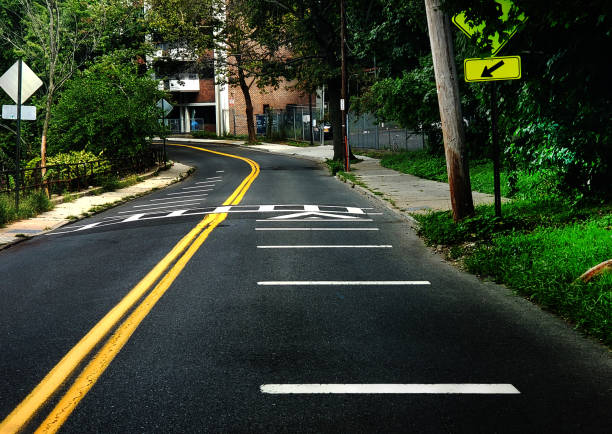
Before installing speed bumps for asphalt, inspect the pavement’s slope, low areas, drainage channels, and nearby structures.
A well-planned installation should control vehicle speed without creating a new water-management problem.
Consider Emergency and Service Vehicles
Commercial and residential properties may need access for emergency vehicles, maintenance vehicles, deliveries, and other service traffic.
Speed-control features should be planned with these requirements in mind.
A property owner should evaluate whether the proposed placement could create unnecessary delays or difficult conditions for essential vehicles.
The purpose of speed bumps for asphalt is to encourage safer everyday speeds, not to prevent necessary access.
Avoid Unnecessary Speed Bumps
More speed bumps do not automatically mean a safer property.
If too many are installed, drivers may experience unnecessary stops and repeated impacts. This can create frustration and may encourage drivers to find alternative routes through areas that were not designed for increased traffic.
Instead, focus on locations where speeding or uncontrolled vehicle movement is actually a concern.
A smaller number of strategically positioned speed bumps for asphalt can often provide a more practical approach than covering every section of pavement with speed-control devices.
Make Speed Bumps Easy to See
Visibility is critical. Drivers should have enough time to recognize a speed bump and slow down smoothly.
Painted markings, warning signs, adequate lighting, and contrasting surfaces can help identify the feature.
A speed bump that blends into the pavement may surprise drivers, particularly at night or during poor weather.
Clear visual communication makes the speed-control feature more predictable and can improve the overall driving experience.
Use Pavement Markings to Reinforce Placement
Pavement markings can complement speed bumps for asphalt by giving drivers additional visual information.
A clearly marked speed bump is easier to recognize than an unmarked feature, particularly in large parking lots with many competing visual elements.
Markings can also help property owners maintain a consistent appearance throughout the parking area.
The surrounding pavement should be clean and in suitable condition so markings remain visible.
Consider Lighting Conditions
A speed bump that is easy to see during the day may be much harder to recognize after dark.
Commercial properties that operate at night should evaluate lighting before installing speed-control features.
Parking lot lights, building illumination, and other sources of visibility can influence how easily drivers identify the bump.
If lighting is poor, additional visual guidance may be necessary.
Evaluate Pavement Condition Before Installation
A speed bump needs a suitable pavement surface beneath it.
If the asphalt is severely cracked, unstable, or deteriorated, installing a speed-control feature without addressing the pavement condition may produce poor long-term results.
Before installing speed bumps for asphalt, inspect the surrounding pavement for potholes, settlement, major cracking, and drainage-related deterioration.
Addressing significant pavement problems first can create a more stable foundation for the improvement.
Consider the Type of Asphalt Surface
Not every asphalt surface has the same structure or condition. A newly paved parking lot may have different installation considerations from an older pavement area that has undergone multiple repairs.
The thickness, condition, slope, and supporting base can all influence installation requirements.
A professional evaluation can help determine whether the intended location is appropriate for a speed bump.
Think About Seasonal Weather
Weather can affect both asphalt pavement and traffic-control features.
Rain can expose drainage problems, while seasonal temperature changes can contribute to pavement movement and cracking.
Louisville properties should be evaluated with local seasonal conditions in mind.
Before installing speed bumps for asphalt, property owners should consider whether the selected location is vulnerable to standing water, erosion, or other seasonal pavement problems.
Monitor Vehicle Speeds Before and After Installation
One useful way to evaluate a speed-control project is to observe traffic before and after installation.
Property owners can compare vehicle behavior and determine whether drivers are approaching the area more cautiously.
If speeding continues despite the installation, the location, visibility, traffic layout, or overall speed-control strategy may need to be reassessed.
A speed bump should be considered part of an ongoing traffic-management plan rather than a one-time solution.
Signs That a Location May Need a Speed Bump
Certain conditions can indicate that speed control deserves consideration. These may include:
- Frequent speeding complaints
- Near-misses involving pedestrians or vehicles
- Long straight stretches where drivers accelerate
- High pedestrian activity
- Vehicles approaching entrances or intersections too quickly
- Limited-visibility areas where lower speeds are desirable
- Repeated concerns from property users about vehicle behavior
These observations can help property owners identify locations for further evaluation.
Plan the Installation Around Business Operations
Commercial properties need to remain functional during pavement improvements.
Before installing speed bumps for asphalt, consider customer traffic, employee access, deliveries, parking availability, and other daily activities.
Work can be planned to minimize disruption where practical.
A clear installation plan can help businesses maintain access while the speed-control improvements are completed.
Maintain Speed Bumps After Installation
Installation is only the beginning of long-term maintenance.
Property owners should periodically inspect speed bumps for cracking, damage, shifting, worn markings, and surrounding pavement deterioration.
If the surrounding asphalt develops potholes or drainage problems, those issues should also be addressed.
Keeping speed bumps for asphalt and the surrounding pavement in good condition helps maintain their effectiveness and appearance.
Professional Speed Bump Planning in Louisville
The best location for a speed bump depends on how vehicles and pedestrians actually use the property. Entrances, exits, pedestrian crossings, long straight sections, high-activity areas, and limited-visibility zones may all deserve consideration.
However, placement should also account for drainage, accessibility, emergency access, intersections, pavement condition, and normal traffic flow.
For property owners in Louisville, Kentucky, Commonwealth Paving can help evaluate paving and pavement improvement needs. To discuss your project, contact Commonwealth Paving at +1 502 459 7283 or visit 136 Outer Loop, Louisville, Kentucky 40214.
Improve Safety With Strategic Placement
Installing speed bumps for asphalt is most effective when the placement is based on actual traffic behavior rather than guesswork. A carefully selected location can encourage drivers to slow down where pedestrian activity is high, where visibility is limited, or where long pavement sections encourage excessive speed.
At the same time, speed bumps should be visible, properly installed, compatible with the pavement, and positioned so they do not interfere with drainage, emergency access, or normal traffic movement.
Property owners should think of speed control as part of a complete parking lot or roadway design. Clear markings, appropriate lighting, pedestrian routes, good pavement condition, and sensible traffic patterns all contribute to the result.
With thoughtful planning and professional installation, speed bumps for asphalt can become a practical part of a safer, more organized property—helping encourage controlled speeds while maintaining efficient traffic flow for drivers, pedestrians, customers, employees, and visitors.
Benefits of Professional Speed Bumps for Asphalt Installation
Managing vehicle speed is an important part of creating a safer, more organized parking lot, driveway, private roadway, or commercial property. Drivers may naturally slow down around buildings, intersections, and crowded areas, but open stretches of pavement can sometimes encourage higher speeds. Strategically installed speed bumps for asphalt can provide a physical reminder for drivers to reduce speed and approach certain areas more cautiously.
However, the effectiveness of a speed bump depends on more than simply placing a raised feature across pavement. Proper location, dimensions, visibility, pavement condition, drainage, installation, and traffic patterns all need to be considered. Professional installation can help ensure that the speed-control feature works as intended while fitting naturally into the property’s overall layout.
For property owners in Louisville, Kentucky, Commonwealth Paving provides paving and pavement improvement services for commercial and other paved properties. To discuss your project, contact Commonwealth Paving at +1 502 459 7283 or visit 136 Outer Loop, Louisville, Kentucky 40214.
What Are Speed Bumps for Asphalt?
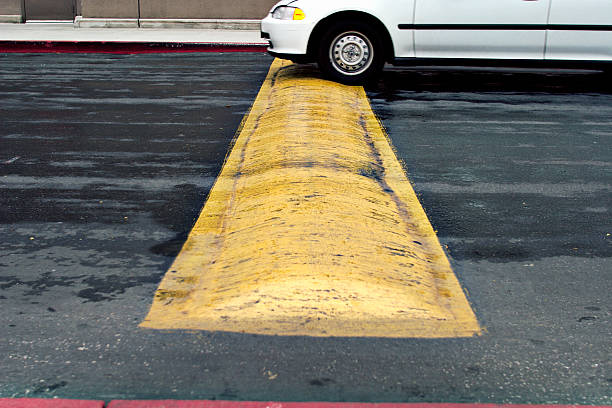
Speed bumps for asphalt are raised pavement features designed to encourage drivers to reduce their speed before traveling over them. They are commonly used in areas where maintaining slower vehicle speeds is desirable.
Unlike signs that rely entirely on driver attention, a speed bump creates a physical change in the driving surface. Drivers can recognize that they need to slow down because traveling over the raised area at excessive speed may create an uncomfortable ride.
Speed bumps can be considered for parking lots, private roads, residential communities, commercial properties, and other locations where controlled vehicle movement is important.
Why Professional Installation Matters
It may seem straightforward to install a speed bump, but the placement and construction need to be carefully considered.
A poorly positioned bump may create traffic problems, interfere with drainage, or surprise drivers. An improperly installed feature may also deteriorate prematurely or affect the surrounding pavement.
Professional installation considers the entire environment rather than focusing only on the raised surface.
This can help property owners get better results from speed bumps for asphalt while maintaining the functionality of the surrounding pavement.
Encourages Drivers to Slow Down
The most obvious benefit of speed bumps is their ability to encourage slower vehicle speeds.
When drivers see a properly marked speed bump ahead, they have a physical reason to reduce speed before crossing it.
This can be particularly useful in areas where vehicles and pedestrians share space or where drivers have a tendency to accelerate.
A strategically placed speed bumps for asphalt installation can reinforce the expectation that vehicles should travel at controlled speeds.
Supports Safer Pedestrian Areas
Parking lots and commercial properties often contain areas where pedestrians regularly cross vehicle lanes.
Customers may walk from parking spaces to entrances, employees may move between buildings and vehicles, and residents may travel through shared areas.
Speed control can be especially valuable in these locations.
A properly planned installation of speed bumps for asphalt can encourage drivers to approach pedestrian-heavy areas more cautiously.
Speed bumps should not be viewed as a complete pedestrian safety solution, but they can be one useful component of a broader traffic-management strategy.
Improves Traffic Awareness
A speed bump can serve as a visual and physical reminder that drivers are entering an area where lower speeds are appropriate.
When combined with pavement markings and appropriate signage, it can help reinforce changes in traffic conditions.
For example, a parking lot may transition from an entrance area into a pedestrian-focused zone. A speed-control feature can emphasize that drivers should adjust their speed accordingly.
Helps Control Speed in Long Straight Areas
Long, straight sections of pavement can sometimes encourage drivers to accelerate.
This may occur in large parking lots, private roads, residential communities, or commercial access areas.
Strategically positioned speed bumps for asphalt can break up these long stretches and encourage drivers to maintain a more controlled speed.
The objective is not to make driving unnecessarily difficult but to introduce speed control where it is actually needed.
Professional Placement Reduces Unnecessary Disruption
Not every location needs a speed bump.
Installing too many can create unnecessary vehicle impacts, increase maintenance requirements, and interfere with normal traffic flow.
Professional planning helps identify locations where speed control is most appropriate.
The placement can be evaluated based on vehicle movement, pedestrian activity, intersections, entrances, exits, visibility, drainage, and nearby structures.
This makes speed bumps for asphalt more purposeful rather than simply adding physical obstacles throughout the property.
Protects Areas Near Buildings and Property Features
Vehicles that travel too quickly or move too far forward can potentially reach areas near buildings, sidewalks, landscaping, fences, signs, or other property features.
A properly positioned speed bump can encourage drivers to slow down before reaching these areas.
While speed bumps are not designed to stop vehicles from collisions, they can encourage more controlled movement.
Professional placement helps ensure that the feature supports the property’s layout rather than creating new obstacles.
Helps Create a More Organized Parking Lot
A well-planned parking lot uses visual and physical cues to guide drivers.
Parking lines show where vehicles should stop. Directional arrows indicate traffic movement. Crosswalks identify pedestrian routes. Speed bumps can reinforce areas where drivers should reduce speed.

Together, these features can create a more understandable environment.
Professional speed bumps for asphalt installation can therefore contribute to the overall organization of the parking lot.
Visibility Is a Major Advantage of Professional Installation
A speed bump needs to be visible. If drivers do not recognize it in advance, they may approach too quickly.
Professional installation can include consideration of markings, positioning, surrounding pavement, lighting, and driver sightlines.
A clearly visible speed-control feature gives drivers more opportunity to respond smoothly.
This is particularly important at night, during rainfall, or in large parking lots where visual information may be difficult to distinguish.
Proper Pavement Preparation
The condition of the asphalt beneath and around a speed bump is important.
Installing a raised feature on severely deteriorated pavement may not provide the expected long-term performance.
Before installing speed bumps for asphalt, the pavement should be inspected for cracks, potholes, settlement, drainage problems, and other forms of deterioration.
If necessary, the surrounding pavement should be addressed before the speed-control feature is installed.
Helps Protect the Investment in the Pavement
A speed bump is intended to influence driver behavior, but the surrounding pavement also needs to remain in good condition.
If vehicles repeatedly travel too quickly through a parking lot, braking and acceleration can contribute to additional pavement stress.
Encouraging lower speeds may help create more controlled vehicle movement throughout the property.
Professional installation ensures that the speed-control feature itself is integrated properly with the existing pavement.
Proper Drainage Planning
Water management is essential for asphalt pavement.
Poorly placed speed bumps can potentially interfere with existing water flow or contribute to water collecting in unwanted areas.
Professional installation takes the pavement’s slope, drainage paths, low points, and nearby structures into account.
This is particularly important for speed bumps for asphalt installed in large parking lots where water needs to travel significant distances before reaching a drainage point.
Appropriate Dimensions and Profile
A speed bump should be designed appropriately for the property and intended traffic conditions.
If it is too abrupt, drivers may experience unnecessary impacts. If it is too subtle, it may not effectively encourage speed reduction.
The profile, width, height, and location should be selected according to the property’s needs and applicable requirements.
Professional planning can help create a speed-control feature that is noticeable without being unnecessarily disruptive.
Consistent Speed Control
If multiple speed bumps are needed, consistency becomes important.
Drivers should be able to recognize the pattern and understand that the area requires controlled speeds.
Uneven placement or inconsistent designs can make the parking environment confusing.
Professional speed bumps for asphalt installation can help maintain a consistent approach throughout the property.
Better Integration With Parking Lot Markings
Speed bumps work particularly well when they are integrated with pavement markings.
Clear markings can alert drivers to the raised feature before they reach it.
Directional arrows, lane markings, and other pavement markings can also communicate how vehicles should approach and move through the area.
Combining physical speed control with visual guidance creates a more comprehensive traffic-management strategy.
Consider Pedestrian Crossings
Speed bumps may be useful near pedestrian crossings when the overall design supports their placement.
The feature can encourage drivers to slow down before entering an area where pedestrians may cross.
However, the speed bump should not obstruct the crossing or create an unnecessary obstacle for people using the pedestrian route.
Professional planning considers both the vehicle path and pedestrian movement.
Consider Emergency and Service Access
Commercial and residential properties may need access for emergency vehicles, maintenance crews, delivery vehicles, and other service traffic.
Speed-control features should be positioned with these needs in mind.
Professional planning can help identify locations where speed reduction is beneficial without unnecessarily interfering with essential access.
Suitable for Different Property Types
Speed bumps for asphalt can be considered for a variety of properties, including commercial parking lots, private roads, residential communities, office properties, and other controlled-access areas.
Each property has different traffic patterns and safety considerations.
For that reason, the installation should be customized rather than treating every property as though it has the same requirements.
Helps Reduce Driver Uncertainty
A poorly designed parking lot can leave drivers unsure about where to slow down, where to turn, and how quickly they should travel.
Clearly visible speed-control features can provide additional information.
When a speed bump is placed where drivers naturally need to reduce speed, it can reinforce the intended traffic pattern.
This can make the overall environment more predictable.
Supports a Professional Property Appearance
Well-maintained pavement features can improve the appearance of a commercial property.
A parking lot with clean pavement, visible markings, properly positioned speed bumps, and organized traffic lanes can create a stronger first impression.
Professional speed bumps for asphalt installation can complement other pavement improvements and help maintain a consistent appearance.
Long-Term Maintenance Benefits
Professional installation can also make future maintenance easier.
Properly positioned and secured speed bumps are less likely to shift unexpectedly. Clear markings make them easier to identify during pavement inspections.
Property managers should still inspect speed bumps regularly for damage, wear, shifting, and deterioration around the installation area.
Regular maintenance helps preserve both appearance and functionality.
Common Installation Mistakes to Avoid
Improper installation can reduce the effectiveness of speed-control features. Common problems include:
- Installing speed bumps where drivers have insufficient visibility
- Ignoring drainage patterns
- Placing them too close to intersections
- Installing over severely damaged pavement
- Using inconsistent placement throughout the property
- Failing to provide adequate visual markings
- Ignoring pedestrian and accessible routes
Professional evaluation can help prevent these issues and produce a more functional result.
When Should You Consider Speed Bumps?
A speed-control evaluation may be worthwhile when property owners notice recurring speeding, complaints from pedestrians or residents, near-miss incidents, or vehicles traveling too quickly through long parking-lot lanes.
Areas near building entrances, pedestrian crossings, recreational spaces, blind sections, and long straight stretches may deserve particular attention.
Before installing speed bumps for asphalt, evaluate whether the problem is truly related to vehicle speed and determine where speed control would provide the greatest benefit.
Professional Speed Bumps for Asphalt in Louisville
Professional installation can make a significant difference in how effectively speed bumps perform. Proper placement, pavement preparation, drainage considerations, visibility, dimensions, and integration with the property’s traffic layout all contribute to the final result.
For property owners in Louisville, Kentucky, Commonwealth Paving can assist with paving and pavement improvement needs. To discuss your project, contact Commonwealth Paving at +1 502 459 7283 or visit 136 Outer Loop, Louisville, Kentucky 40214.
Make Speed Control Part of a Smarter Pavement Strategy
The benefits of professional speed bumps for asphalt installation go beyond simply placing a raised feature on pavement. When properly planned, speed bumps can encourage slower driving, support pedestrian areas, improve traffic awareness, and contribute to a more organized parking environment.
The most effective results come from considering the entire property. Traffic patterns, pedestrian movement, pavement condition, drainage, visibility, emergency access, and pavement markings should all be evaluated before installation.
Speed bumps should also be maintained after installation. Regular inspections can identify damaged markings, pavement deterioration, shifting, or other issues before they become larger maintenance concerns.
For property owners who want to encourage controlled vehicle speeds without unnecessarily disrupting traffic flow, professionally planned speed bumps for asphalt can be a practical addition to a broader parking lot and pavement maintenance strategy. With careful placement and proper installation, they can help create a more predictable, organized, and comfortable environment for drivers and pedestrians alike.
Address
Commonwealth Paving, 136 Outerloop, Louisville, Kentucky 40214
Phone: 502-459-7283, Fax: 502-456-2678
Opening Hours
| Monday | 9:00 AM – 5:00 PM |
| Tuesday | 9:00 AM – 5:00 PM |
| Wednesday | 9:00 AM – 5:00 PM |
| Thursday | 9:00 AM – 5:00 PM |
| Friday | 9:00 AM – 5:00 PM |
| Saturday | Closed |
| Sunday | Closed |