
Is a Millings Driveway Right for Your Property? Pros, Cons & Installation Tips
Choosing the right driveway material is an important decision for any property owner. A driveway needs to provide dependable access, withstand regular vehicle traffic, handle changing weather conditions, and complement the surrounding property. While traditional paving options are popular, a millings driveway can offer a practical alternative for certain residential, commercial, and rural properties.
Asphalt millings are created when existing asphalt pavement is removed or resurfaced and the material is processed into smaller pieces. Instead of treating this reclaimed asphalt as waste, it can be reused as a driveway surface. Once properly installed and compacted, asphalt millings can create a firm, functional driving surface with a distinctive appearance.
However, a millings driveway is not automatically the right choice for every property. Drainage, soil conditions, traffic levels, grading, installation methods, and maintenance expectations all matter. Understanding the advantages and limitations before beginning a project can help property owners make a more informed decision.
For property owners in Louisville, Kentucky, Commonwealth Paving can help evaluate paving needs and determine an appropriate approach for driveway and pavement projects. Contact Commonwealth Paving at +1 502 459 7283 or visit 136 Outer Loop, Louisville, Kentucky 40214.
What Is a Millings Driveway?
A millings driveway uses reclaimed asphalt material, commonly known as asphalt millings, as the primary surface. These millings consist of small pieces of asphalt pavement generated during pavement removal or resurfacing work.
The material may contain a combination of asphalt binder and aggregate. When properly placed, graded, and compacted, the particles can interlock and form a relatively firm surface.
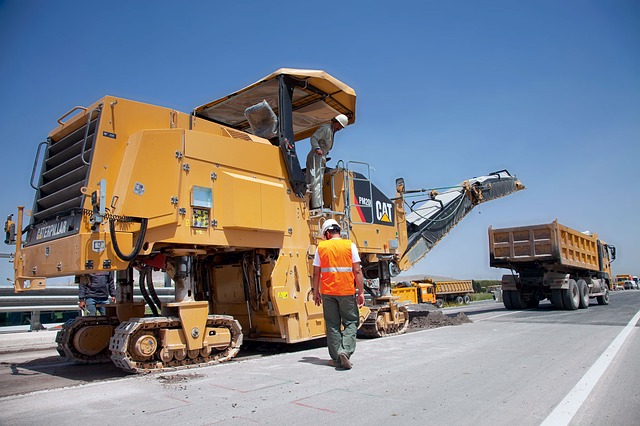
Unlike a conventional asphalt driveway, millings are not typically applied as a freshly mixed, smooth asphalt layer. Their appearance is more textured and natural, which can make them particularly appealing for rural driveways, farm access roads, long private lanes, parking areas, and properties where a traditional paved appearance is not essential.
Why Property Owners Consider Asphalt Millings
The appeal of a millings driveway often comes down to practicality. Property owners may want a driveway that is more substantial than loose gravel but does not require the same type of installation as conventional hot-mix asphalt.
Millings can create a surface that looks more finished than loose aggregate while remaining suitable for many everyday driving applications. They can also be used for large areas where controlling project costs and creating a durable driving surface are important considerations.
The suitability of millings depends heavily on how the driveway is prepared and installed. A properly constructed base and adequate compaction are essential to achieving a stable result.
Pros of a Millings Driveway
One of the most attractive aspects of a millings driveway is its combination of appearance, functionality, and material reuse. It can provide a practical surface for properties that do not necessarily require conventional asphalt paving.
Some potential advantages include:
- Reuses reclaimed asphalt material
- Provides a firm surface when properly installed and compacted
- Offers a textured, natural appearance
- Can be suitable for long driveways and larger areas
- May require less frequent grading than loose gravel
- Can perform well under appropriate traffic and drainage conditions
These advantages can make millings worth considering, particularly for properties with long access roads, rural settings, utility areas, or expansive driveways.
A Practical Alternative for Large Driveways
Long driveways can become expensive to maintain when the surface is prone to ruts, potholes, or erosion. Loose gravel may shift under repeated vehicle traffic and weather, requiring periodic redistribution.
A properly installed millings driveway can provide a more stable alternative. The compacted material can form a dense surface that resists some of the movement associated with loose aggregate.
This can be especially useful on properties with long private drives where maintaining a consistent surface over a large area is important.
The Reclaimed Material Advantage
Asphalt millings are reclaimed from previously used pavement. Reusing this material gives it another purpose rather than requiring all new material for every driveway project.
For property owners interested in practical material choices, this can be an appealing feature of a millings driveway.
The appearance also reflects the material’s recycled nature. Instead of a perfectly uniform black asphalt surface, millings typically have a darker, textured appearance with visible aggregate.
For rural properties and large private driveways, that aesthetic can blend naturally with the surrounding landscape.
Cons of a Millings Driveway
Although millings can offer several advantages, they also have limitations. Property owners should understand these potential drawbacks before selecting the material.
A millings driveway may not provide the same smooth, finished appearance as newly installed conventional asphalt. The surface can also be affected by temperature, moisture, traffic, and the quality of installation.
Some considerations include:
- The surface may not be as smooth as traditional asphalt
- Poor preparation can lead to uneven areas or rutting
- Drainage problems can reduce long-term performance
- Loose material may initially be present at the surface
- Periodic maintenance may still be necessary
- Results can vary depending on the quality and composition of the millings
These limitations do not necessarily make millings unsuitable. They simply mean that expectations should match the characteristics of the material.
How Weather Can Affect a Millings Driveway
Weather is an important factor for any driveway in Louisville. Rain, freezing temperatures, summer heat, and repeated seasonal changes can affect pavement surfaces.
A millings driveway can perform well when properly constructed, but water management is particularly important. Excess moisture can weaken the supporting soil and contribute to erosion or surface movement.
During periods of high heat, asphalt-containing millings may behave differently from loose aggregate because the asphalt binder can soften. Proper compaction and surface preparation can help create a more stable result.
Good drainage should therefore be considered from the beginning rather than treated as an afterthought.
Why Drainage Matters
Water is one of the biggest threats to driveway performance. If rainwater remains on or beneath the driveway, it can contribute to erosion, soft spots, settlement, and other problems.
Before installing a millings driveway, the property should be evaluated for natural drainage patterns. The driveway may need appropriate grading so water can move away from the driving surface.
Ditches, shoulders, slopes, and drainage paths may also need to be considered depending on the property’s layout.
A driveway with excellent material but poor drainage can still experience premature deterioration. Proper water management is therefore a critical part of installation.
Preparing the Driveway Base
The quality of the base can significantly influence the performance of a millings driveway. Simply spreading millings over soft soil may produce an attractive surface initially, but the driveway can develop ruts or depressions as vehicles repeatedly travel over it.
Proper preparation may involve clearing unsuitable material, establishing the appropriate grade, improving the base where necessary, and ensuring that the surface has adequate support.
The exact preparation depends on existing soil conditions, expected traffic, drainage, and the current condition of the driveway.
Installation Tips for Better Results
A successful millings driveway begins with proper planning. The driveway should be evaluated before material is delivered so potential issues can be addressed in advance.
The installation process generally focuses on creating a suitable foundation, placing the millings evenly, establishing the desired grade, and compacting the material thoroughly.
Important considerations include:
- Evaluate the existing soil and driveway condition
- Establish proper drainage and grading
- Prepare a stable supporting base
- Spread millings at a consistent depth
- Compact the material thoroughly
- Check the finished surface for low spots and uneven areas
Compaction is particularly important because it helps the individual particles interlock and creates a denser driving surface.
Why Compaction Is So Important
Loose millings do not provide the same stability as thoroughly compacted material. Heavy equipment can be used to compress the surface and help create a tighter, more cohesive layer.
As the material becomes compacted, the particles can lock together and form a more stable surface.
Traffic may also contribute to additional consolidation over time, but relying entirely on vehicle traffic is not an ideal substitute for proper installation. Thorough initial compaction gives the driveway a stronger starting point.
Is a Millings Driveway Suitable for Heavy Traffic?
The appropriate driveway material depends on the type and frequency of traffic expected. A private residential driveway with occasional passenger vehicles has different requirements from an access road regularly used by heavy trucks or commercial equipment.
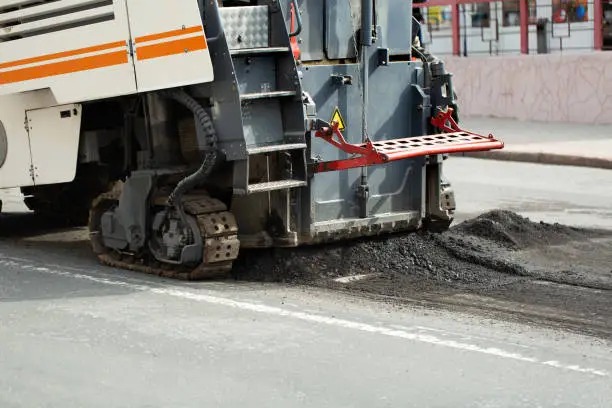
A millings driveway may be suitable for many low- to moderate-traffic applications, but properties expecting substantial heavy-vehicle use should receive a careful evaluation.
The base, drainage system, thickness, compaction, and overall design should be selected according to the anticipated loads.
Maintenance Requirements
A millings driveway is not maintenance-free. Regular attention can help preserve the surface and identify developing problems early.
Property owners should watch for potholes, rutting, erosion, drainage issues, and areas where the material has begun to shift. Addressing small problems before they become widespread can make maintenance easier.
Keeping drainage paths clear is also important. Water should not be allowed to accumulate along the driveway or beneath the surface.
Occasional grading or additional material may be appropriate depending on traffic and weather conditions.
How Long Can a Millings Driveway Last?
There is no single lifespan that applies to every millings driveway. Performance depends on factors such as soil conditions, drainage, installation quality, traffic levels, weather, maintenance, and the quality of the reclaimed material.
A well-prepared and properly compacted driveway with good drainage can perform considerably better than one installed directly over unstable soil.
This is why the installation process is just as important as the material itself. Property owners should evaluate the entire driveway system rather than judging the material in isolation.
Millings Driveway vs. Traditional Asphalt
A traditional asphalt driveway generally provides a smoother and more uniform finished appearance. It may be the better choice when appearance, smoothness, and a conventional paved surface are top priorities.
A millings driveway, on the other hand, offers a more textured appearance and can be practical for properties where a reclaimed asphalt surface meets the property’s needs.
The right choice depends on budget, intended use, property conditions, appearance preferences, traffic levels, and long-term maintenance expectations.
There is no universal driveway material that is ideal for every property.
When Millings May Be a Good Choice
Millings can be worth considering when the property owner wants a durable-feeling surface with a textured appearance and the property is suitable for the material.
Long rural driveways, private access roads, farm properties, utility areas, and expansive parking or storage areas may be potential applications.
A professional evaluation can help determine whether the existing ground conditions and intended use are appropriate for a millings driveway.
Make an Informed Driveway Decision
A millings driveway can be a practical solution for property owners seeking an alternative to conventional paving. Its reclaimed material, textured appearance, and potential durability make it appealing for many applications.
However, successful results depend on more than spreading asphalt millings over the ground. Proper grading, drainage, base preparation, material placement, and compaction are essential considerations.
For property owners in Louisville, Kentucky, Commonwealth Paving can help evaluate driveway and paving needs and determine an appropriate approach for the property. To discuss your project, contact Commonwealth Paving at +1 502 459 7283 or visit 136 Outer Loop, Louisville, Kentucky 40214.
If you are considering a millings driveway, take time to evaluate your property’s soil, drainage, traffic, appearance requirements, and maintenance expectations. With proper planning and installation, asphalt millings can create a practical driving surface that serves your property for years while making productive use of reclaimed pavement material.
Millings Driveway vs Traditional Asphalt: Which Is the Better Investment?
Choosing a driveway material is a decision that can affect your property’s appearance, accessibility, maintenance needs, and long-term value. For many property owners, the choice comes down to finding a surface that balances durability, practicality, appearance, and overall investment. Two options worth considering are a millings driveway and traditional asphalt.
Both can provide a dependable surface for vehicles, but they have different characteristics. Asphalt millings are reclaimed pieces of asphalt pavement that can be processed, placed, graded, and compacted to create a functional driveway surface. Traditional asphalt, meanwhile, provides a smoother and more uniform paved finish.
So, which is the better investment? The answer depends on the property, how the driveway will be used, the desired appearance, existing ground conditions, drainage, and long-term expectations. There is no universal solution for every driveway.
For property owners in Louisville, Kentucky, Commonwealth Paving can help evaluate driveway conditions and paving requirements. To discuss your project, contact Commonwealth Paving at +1 502 459 7283 or visit 136 Outer Loop, Louisville, Kentucky 40214.
What Is a Millings Driveway?
A millings driveway is constructed using reclaimed asphalt material commonly known as asphalt millings. These materials are produced when existing asphalt pavement is removed or resurfaced and then processed into smaller pieces.
The resulting material contains asphalt and aggregate that can be spread over a prepared surface and compacted. With proper installation, the pieces can interlock and create a firm driving surface.
Millings typically have a textured appearance rather than the smooth, solid-black appearance associated with newly paved asphalt. This makes them a practical choice for properties where functionality and a more natural-looking surface are more important than a perfectly uniform finish.
What Is Traditional Asphalt?
Traditional asphalt paving uses a mixture of aggregate and asphalt binder that is placed as a new pavement surface. When properly installed and compacted, it creates a smooth, cohesive, and visually consistent driveway.
A traditional asphalt driveway can provide a clean appearance and comfortable driving surface. It is often selected for residential properties, commercial entrances, parking areas, and other locations where a finished paved appearance is a priority.
Because traditional asphalt and reclaimed millings are installed differently, property owners should compare more than just their initial appearance. The property’s conditions and intended use should guide the decision.
Compare the Overall Investment
When comparing a millings driveway with traditional asphalt, it is tempting to focus only on the initial project cost. However, a better investment analysis considers the entire lifecycle of the driveway.
Factors worth evaluating include:
- Initial installation requirements
- Surface appearance and smoothness
- Expected traffic levels
- Drainage and soil conditions
- Maintenance requirements
- Long-term performance expectations
- Property use and future plans
A material that costs less initially may not be the best choice if the property requires a different type of surface. Likewise, paying more for a traditional asphalt driveway may be worthwhile when appearance and smoothness are major priorities.
The Appearance Difference
One of the most obvious differences between a millings driveway and traditional asphalt is appearance.
Fresh traditional asphalt generally provides a smooth, dark, uniform surface. It creates a finished look that can complement residential homes, commercial properties, and landscaped surroundings.
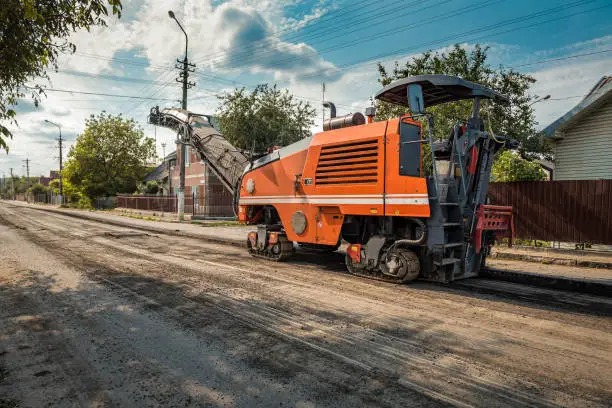
Millings have a more textured appearance. The individual pieces of reclaimed pavement remain visible, giving the driveway a less uniform but distinctive character.
For a rural property, farm driveway, long private lane, or utility access area, this textured appearance may be perfectly appropriate. For a high-visibility residential entrance or commercial property where a polished appearance is important, traditional asphalt may be preferable.
Driving Comfort and Surface Smoothness
Traditional asphalt generally offers a smoother driving experience because it is installed as a cohesive paved layer.
A properly compacted millings driveway can provide a firm surface, but it typically does not have the same smooth finish. The texture may be more noticeable under vehicle tires.
For properties where drivers frequently travel at low speeds, this difference may not be especially important. However, homeowners seeking a smooth, finished driveway may prefer traditional asphalt.
The right choice depends on how much surface smoothness matters to the property owner.
How Drainage Affects Both Options
Drainage is critical regardless of which driveway material is selected. Water can cause serious pavement problems when it is allowed to remain on the surface or penetrate into weak areas beneath the driveway.
A millings driveway should be properly graded so water can move away from the driving surface. Traditional asphalt also requires appropriate grading and drainage to protect the pavement structure.
Before installation, property owners should evaluate slopes, drainage paths, soil conditions, and areas where water currently collects.
A well-designed drainage system can significantly contribute to the performance of either driveway option.
Importance of the Base
The base beneath a driveway plays a major role in long-term performance. A strong surface installed over unstable soil may still develop problems.
For a millings driveway, proper preparation is particularly important because the material relies on grading and compaction to form a stable driving surface. Soft or poorly prepared ground can contribute to rutting, settlement, and uneven areas.
Traditional asphalt also depends on a properly prepared base. Cracks, settlement, and other pavement problems can develop when the supporting layers are inadequate.
In both cases, the condition of the ground beneath the surface should be evaluated before installation.
Millings and Reclaimed Materials
One notable advantage of a millings driveway is the use of reclaimed asphalt material. Instead of relying entirely on newly produced paving material, asphalt millings give previously used pavement another application.
For property owners interested in practical material reuse, this can be an attractive characteristic.
Traditional asphalt uses new asphalt pavement materials to create a fresh surface. It offers the consistency and appearance expected from a conventional paved driveway.
The decision between reclaimed and new materials ultimately depends on the property’s goals and the characteristics desired from the finished driveway.
Maintenance Considerations
Every driveway requires maintenance, regardless of its material. The difference is in the type and frequency of maintenance that may be appropriate.
A millings driveway may require attention to rutting, erosion, drainage, and areas where surface material has shifted. Additional grading or material may sometimes be needed depending on traffic and weather.
Traditional asphalt may require crack sealing, surface maintenance, and eventual resurfacing or other repairs as it ages.
Regular inspections can help property owners identify problems before they become extensive. Maintaining drainage is especially important for both surfaces.
Which Option Handles Heavy Traffic Better?
The answer depends on the driveway’s design and construction rather than material alone. Traffic volume, vehicle weight, base preparation, drainage, and surface thickness all affect performance.
A millings driveway may work well for many residential, rural, and lower-traffic applications. However, properties that experience frequent heavy trucks or commercial vehicle traffic should receive careful evaluation before choosing the surface.
Traditional asphalt can be designed for a range of traffic conditions, but it too must be properly engineered and installed for the expected loads.
The driveway should be designed around actual use rather than selecting a material based solely on general assumptions.
Consider the Size of the Driveway
The size of a driveway can influence the practicality of each option. A short residential driveway may have different priorities from a long private road extending hundreds or thousands of feet.
For very long driveways, a millings driveway can be attractive because it can provide a functional surface across a large area while maintaining a distinctive appearance.
Traditional asphalt may be more appealing for shorter, high-visibility driveways where the finished appearance is especially important.
Property owners should consider the entire area, including entrances, curves, slopes, parking sections, and turnaround zones.
Think About Your Property’s Character
A driveway should fit the property around it. Traditional asphalt tends to create a clean, finished appearance that works well with many modern residential and commercial settings.
A millings driveway can complement rural, rustic, agricultural, or large private properties where a textured surface feels more natural.
Neither appearance is inherently better. The better choice is the one that matches the property’s style and the owner’s expectations.
Installation Quality Matters More Than Many People Realize
Regardless of the chosen material, installation quality can have a major effect on driveway performance.
For millings, proper spreading, grading, and compaction are essential. The surface needs to be prepared correctly so the reclaimed material can form a stable layer.
Traditional asphalt requires careful preparation of the underlying base, appropriate asphalt placement, and proper compaction to create a durable finished surface.
A high-quality material cannot compensate for poor site preparation. This is why property owners should consider the entire installation process when comparing options.
When a Millings Driveway May Be the Better Investment
A millings driveway may be a good fit when the property owner values practicality, reclaimed materials, a textured appearance, and a functional surface for residential, rural, agricultural, or lower-traffic applications.
It can also be appealing for long driveways and private access roads where a conventional smooth asphalt finish is not essential.
Property owners should still evaluate drainage, soil stability, vehicle traffic, and maintenance expectations before making the decision.
When Traditional Asphalt May Be the Better Investment
Traditional asphalt may be the stronger choice when a smooth, uniform, finished appearance is a priority. It can be particularly attractive for highly visible residential entrances, commercial properties, and other locations where curb appeal is important.
It may also be preferable when the owner wants a conventional paved surface with a smooth driving experience.
Again, proper base preparation, drainage, installation, and maintenance remain essential to achieving good long-term performance.
Which Driveway Is Right for You?
There is no single answer to the question of whether a millings driveway or traditional asphalt is a better investment. The best option depends on the property’s specific needs.
Choose based on factors such as:
- How the driveway will be used
- The expected traffic and vehicle weight
- Desired appearance
- Existing soil and drainage
- Driveway size and layout
- Long-term maintenance expectations
- Overall property goals
A careful evaluation can help prevent choosing a material that does not match the property’s conditions.
Plan Your Driveway With Long-Term Performance in Mind
The best driveway investment is not necessarily the option with the lowest initial cost. It is the option that provides the right combination of performance, appearance, usability, and maintenance for the property.
A millings driveway can offer a practical and distinctive surface for many properties, while traditional asphalt provides a smoother and more polished finish. Both can perform well when appropriately designed and installed.
For property owners in Louisville, Kentucky, Commonwealth Paving can help assess driveway conditions and paving needs. To learn more about your options, contact Commonwealth Paving at +1 502 459 7283 or visit 136 Outer Loop, Louisville, Kentucky 40214.
Before choosing between a millings driveway and traditional asphalt, consider the full picture—not just how the driveway looks on installation day. Evaluate how it will perform under your property’s traffic, weather, drainage, and maintenance conditions. With thoughtful planning and professional installation, you can choose a driveway surface that provides lasting value and suits the way your property is used
Address
Commonwealth Paving, 136 Outerloop, Louisville, Kentucky 40214
Phone: 502-459-7283, Fax: 502-456-2678
Opening Hours
| Monday | 9:00 AM – 5:00 PM |
| Tuesday | 9:00 AM – 5:00 PM |
| Wednesday | 9:00 AM – 5:00 PM |
| Thursday | 9:00 AM – 5:00 PM |
| Friday | 9:00 AM – 5:00 PM |
| Saturday | Closed |
| Sunday | Closed |