
Why Hiring Experienced Paving Companies Leads to Better Long-Term Results
Paving is a significant investment for any property owner. Whether the project involves a driveway, parking lot, access road, commercial pavement, or another paved surface, the quality of the work can influence how well the pavement performs for years. A surface may look excellent immediately after installation, but long-term performance depends on much more than appearance. Proper planning, material selection, drainage, preparation, installation, and maintenance all play important roles.
This is why choosing experienced paving companies can make a meaningful difference. Professionals with the right experience understand that successful paving starts long before the first load of material reaches the job site. They evaluate the existing surface, identify potential problems, account for drainage, and develop an approach suited to the property’s actual needs.
For property owners in Louisville, Kentucky, Commonwealth Paving provides paving and pavement-related services focused on creating functional, durable, and professionally maintained surfaces. The company can be reached at +1 502 459 7283 or at 136 Outer Loop, Louisville, Kentucky 40214.
Experience Goes Beyond Simply Laying Pavement
Paving may appear straightforward from the outside, but several factors affect the finished result. The existing ground, weather, traffic levels, slope, drainage, material quality, and installation techniques can all influence pavement performance.
Experienced paving companies understand how these factors interact. Instead of treating every project the same way, they can evaluate the property’s specific conditions and develop a suitable approach.
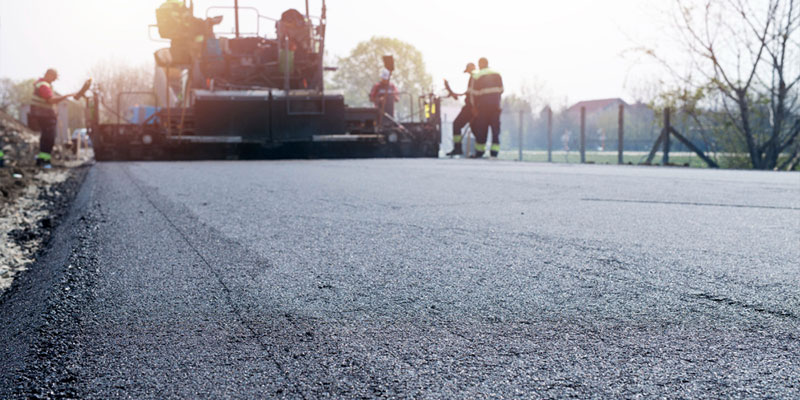
This experience can help identify issues that may not be immediately visible to a property owner. A soft area beneath the pavement, for example, could eventually lead to settlement or cracking if it is not addressed before the surface is installed.
Proper Site Evaluation Sets the Foundation
One of the most important steps in a paving project happens before installation begins. The site needs to be evaluated carefully to determine its current condition and identify potential challenges.
Experienced paving companies can examine factors such as:
- Existing pavement condition and deterioration
- Soil and base stability
- Drainage patterns and water accumulation
- Expected vehicle traffic and loads
- Grades, slopes, entrances, and surrounding structures
This evaluation helps determine what preparation may be necessary. A driveway used primarily by passenger vehicles may have different requirements from a commercial parking lot exposed to frequent heavy traffic.
Preparation Can Determine Long-Term Performance
A strong pavement surface needs a strong foundation. If the underlying base is unstable, even high-quality paving materials may eventually develop problems.
Experienced paving companies know that surface preparation should not be rushed. Depending on site conditions, preparation may involve removing damaged material, correcting soft areas, improving drainage, establishing proper grades, or strengthening the supporting base.
The goal is to create a stable foundation before the finished pavement is installed.
Skipping important preparation steps may save time initially, but it can increase the likelihood of premature deterioration. Proper preparation is therefore an investment in the pavement’s future performance.
Correct Drainage Helps Prevent Pavement Damage
Water is one of the most common threats to pavement. When water collects on the surface or penetrates beneath the pavement, it can weaken the supporting layers and contribute to cracking, potholes, erosion, and settlement.
Experienced paving companies understand the importance of drainage during project planning. The pavement should be graded appropriately so rainwater can move away rather than remain concentrated in vulnerable areas.
Drainage should also be considered around entrances, curbs, landscaped areas, sidewalks, and other structures.
A beautiful new pavement surface can still experience problems if water management is ignored. Addressing drainage during installation can help protect the entire pavement system.
Experienced Contractors Understand Traffic Loads
Not every pavement experiences the same type of traffic. A residential driveway may primarily carry passenger cars, while a commercial parking lot could see delivery trucks, service vehicles, and frequent daily traffic.
Traffic loads influence pavement design and preparation requirements.
Experienced paving companies can consider how the surface will actually be used. This helps ensure that the project is not designed solely around appearance but also around expected vehicle activity.
Understanding traffic patterns can be especially important for commercial properties where certain sections experience significantly more vehicle movement than others.
Better Material Selection
Different paving materials and approaches can serve different purposes. Choosing the right material involves considering the property’s use, climate, traffic, appearance requirements, and maintenance expectations.
Experienced paving companies can help property owners understand their available options and select an approach that makes sense for the specific project.
The goal is not necessarily to choose the most expensive material. Instead, the objective is to choose a solution that provides an appropriate balance of performance, appearance, maintenance, and long-term value.
Proper Grading Creates a More Functional Surface
Grading affects how water moves across the pavement and how vehicles experience the finished surface.
If a paved area is improperly graded, water may collect in low spots. Uneven grades can also create drainage challenges and contribute to premature deterioration.
Experienced paving companies pay close attention to slopes and transitions during preparation and installation. Proper grading helps the pavement function as intended while supporting effective water management.
This is particularly important for large parking lots, driveways, entrances, and areas that connect different pavement surfaces.
Professional Installation Techniques Matter
The installation process itself requires attention to detail. Material needs to be placed appropriately, distributed consistently, and compacted correctly.
Compaction is particularly important because it helps create a dense, stable pavement surface. Insufficient compaction can leave the material vulnerable to movement, deformation, or premature wear.
Experienced paving companies understand how timing, weather, material temperature, equipment, and surface conditions can influence installation quality.
Their experience allows them to respond to changing site conditions rather than simply following a generic process.
Consistency Produces Better Results
A professional paving project should have a consistent finished surface. Uneven thickness, inconsistent compaction, poor transitions, and irregular edges can create both functional and visual problems.
Experienced crews understand the importance of maintaining consistency throughout the project. This is especially important for large commercial parking areas where thousands of square feet may need to appear and perform as one cohesive surface.
Consistency can also make future maintenance easier because the pavement has been installed according to a clear plan.
Experienced Paving Companies Can Identify Problems Early
Another advantage of experience is the ability to recognize potential problems before they become expensive repairs.
Small drainage concerns, weak areas, deteriorated edges, unstable base material, or unusual settlement may not be obvious to an inexperienced observer.
Professionals who regularly work with pavement can identify warning signs and recommend appropriate solutions before construction progresses.
Addressing a problem during the preparation stage is often more practical than discovering it after the new surface has already been installed.
Better Attention to Edges and Transitions
Pavement edges and transitions are often overlooked, but they can have a major effect on long-term performance.
Driveways connect to roads. Parking lots connect to sidewalks and entrances. New pavement may also meet existing pavement, curbs, drainage structures, or other surfaces.
Experienced paving companies understand that these transition points need careful planning. Poorly constructed edges can allow water to enter vulnerable areas or create uneven surfaces.
Attention to these details contributes to a more polished and functional finished project.
Long-Term Value Matters More Than Appearance on Day One
A newly paved surface naturally looks impressive. However, the real test is how it performs months and years later.
Experienced paving companies focus on the factors that support long-term performance rather than simply creating an attractive surface immediately after installation.
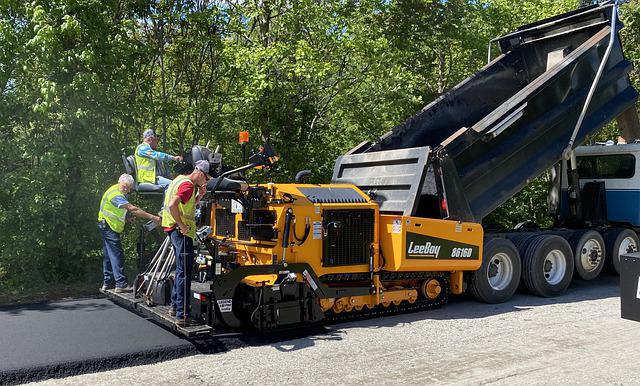
Proper preparation, drainage, material selection, installation, and maintenance planning all contribute to the pavement’s ability to handle everyday use.
Property owners should therefore evaluate paving contractors based on the quality and durability of their overall approach, not simply on how quickly a project can be completed.
Professional Work Can Reduce Maintenance Problems
No pavement lasts forever, and every surface eventually requires maintenance. However, proper installation can help reduce avoidable problems.
A well-prepared and properly installed surface may be better equipped to handle routine vehicle traffic and changing weather conditions. Preventive maintenance can then address minor issues before they become major failures.
Experienced paving companies can also help property owners understand what types of maintenance may be appropriate for their pavement.
This creates a more proactive approach instead of waiting until severe deterioration requires extensive repairs.
Protect Your Property Investment
Paving represents a substantial investment, particularly for large commercial parking lots and access roads. Property owners naturally want their investment to remain useful and attractive for as long as possible.
Choosing experienced paving companies can help protect that investment by emphasizing quality from the beginning.
A properly installed pavement surface can support property usability, improve appearance, and reduce the likelihood of premature problems caused by poor preparation or installation.
For commercial properties, well-maintained pavement can also contribute to a more professional first impression for customers, employees, tenants, and visitors.
Experience Supports Better Project Planning
Successful paving projects require coordination. Materials, equipment, labor, site preparation, traffic access, weather, and scheduling all need to be considered.
Experienced paving companies understand how to plan around these variables. Good planning can help reduce unnecessary delays and ensure that each stage of the project is completed in the appropriate sequence.
This can be particularly important for businesses that need to keep parking areas or access routes available during construction.
Maintenance Should Be Part of the Conversation
The relationship between paving and property maintenance should not end when installation is complete. Property owners should understand how to care for the new surface and what signs of deterioration to watch for.
Regular inspections can identify cracks, drainage problems, potholes, surface wear, and edge deterioration early.
Addressing small issues promptly can help protect larger sections of pavement and support longer service life.
Choose Experience for Better Long-Term Results
Hiring experienced paving companies is about more than getting pavement installed. It is about making informed decisions throughout the entire project, from site evaluation and base preparation to drainage, material selection, installation, and future maintenance.
Experience can help professionals recognize potential problems, adapt to site conditions, and focus on the details that influence long-term pavement performance.
For property owners in Louisville, Kentucky, Commonwealth Paving can assist with paving and pavement improvement needs. To discuss your project, contact Commonwealth Paving at +1 502 459 7283 or visit 136 Outer Loop, Louisville, Kentucky 40214.
Whether you are planning a driveway, parking lot, commercial pavement project, or another paved surface, choosing experienced professionals can provide greater confidence in the finished result. The best paving project is not simply the one that looks good when completed—it is the one that continues to perform reliably long after the work is finished.
Questions to Ask Before Hiring Paving Companies for Your Next Project
Paving is a significant investment, whether you are improving a residential driveway, resurfacing a commercial parking lot, constructing an access road, or repairing an aging paved surface. Because the quality of the work can influence appearance, safety, durability, and future maintenance requirements, choosing the right contractor deserves careful consideration.
Many property owners compare prices first, but cost should not be the only factor. Asking the right questions before hiring paving companies can help you understand the scope of the work, identify potential concerns, and determine whether a contractor has the experience needed for your particular project.
A professional paving project involves much more than placing material over an existing surface. Site preparation, drainage, pavement condition, traffic loads, grading, materials, installation methods, and maintenance can all affect the final result.
For property owners in Louisville, Kentucky, Commonwealth Paving can help with paving and pavement improvement projects. To discuss your needs, contact Commonwealth Paving at +1 502 459 7283 or visit 136 Outer Loop, Louisville, Kentucky 40214.
Why Asking Questions Matters
A paving project can look straightforward, but every property has different conditions. A driveway with stable soil and light vehicle traffic may require a different approach than a commercial parking lot used by delivery trucks every day.
Asking questions before work begins gives you an opportunity to understand how paving companies approach those differences. It can also help you avoid surprises related to preparation, drainage, materials, scheduling, or maintenance.
The goal is not simply to find someone who can complete the work. You want to understand whether the proposed approach makes sense for your property and long-term goals.
How Much Paving Experience Do You Have?
One of the first questions to ask is about experience. Experience can provide valuable insight into how a contractor handles different pavement conditions, project sizes, weather conditions, and installation challenges.
Ask how long the contractor has been performing paving work and whether they regularly handle projects similar to yours.
A contractor experienced with commercial parking lots, for example, may understand traffic patterns, drainage requirements, pavement markings, and heavy-use conditions that differ from a basic residential driveway.
Experience is especially valuable when unexpected site conditions arise. Experienced paving companies are often better prepared to recognize potential problems and adjust the project appropriately.
What Does My Project Need Before Paving?
A new pavement surface depends heavily on what lies underneath it. Ask how the contractor will evaluate the existing pavement, soil, and base.
Questions about preparation can reveal whether the project is being approached as a complete pavement system or simply as a surface installation.
Depending on the property, preparation may involve removing damaged material, correcting weak areas, improving the base, adjusting grades, or addressing drainage concerns.
If significant preparation is necessary, it should be discussed before work begins so you understand the complete scope.
How Will You Handle Drainage?
Drainage should be one of the most important topics when speaking with paving companies. Water is a major cause of pavement deterioration, particularly when it collects on the surface or enters the supporting layers.
Ask how the proposed paving plan will move rainwater away from the pavement.
A professional evaluation should consider slopes, low areas, drainage paths, curbs, nearby landscaping, and other site features.
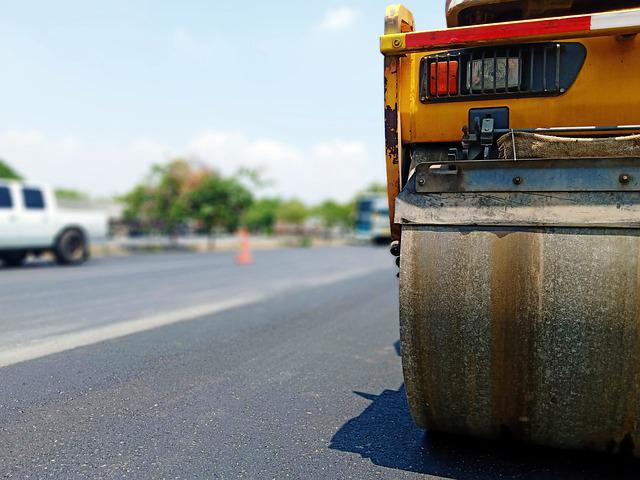
A beautiful new surface can still experience problems if drainage is ignored. Understanding the drainage plan can therefore help you evaluate the long-term quality of the project.
What Type of Material Do You Recommend?
There is no single paving material that works perfectly for every project. Ask why a particular material or paving approach is being recommended for your property.
The answer should take into account factors such as traffic volume, vehicle weight, climate, pavement condition, appearance, and expected use.
You should also ask whether the recommended material is appropriate for the long-term demands of the site.
The purpose of this question is not to choose a material based solely on price. Instead, it helps you understand why the proposed solution is suitable for your property.
What Is Included in the Project?
Before hiring paving companies, ask for a clear explanation of what the project includes.
Depending on the job, the scope may involve surface preparation, removal of existing pavement, base work, grading, drainage improvements, paving, compaction, cleanup, or pavement markings.
A detailed scope helps prevent misunderstandings. It also makes it easier to compare proposals when different contractors describe their work in different ways.
Ask specifically about any work that may be considered additional rather than automatically included in the quoted project.
How Will You Prepare the Existing Surface?
If you are repairing or replacing existing pavement, preparation becomes particularly important.
Ask whether damaged areas will be removed, repaired, or incorporated into the new pavement. The contractor should explain how existing cracks, potholes, settlement, or weak areas will be addressed.
Simply covering a serious underlying problem may not provide a durable solution.
Understanding the preparation process can help you determine whether the proposed work is designed for long-term performance rather than short-term appearance.
How Will You Address Weak or Unstable Areas?
Not every part of a property has the same soil or base conditions. Some sections may be firm and stable, while others may contain soft soil or areas affected by water.
Ask paving companies how they identify and handle weak areas.
A contractor should be prepared to explain what happens if unstable material is discovered during preparation. Understanding this process can help you avoid unexpected decisions during construction.
Addressing weak areas properly can be critical to preventing future settlement, cracking, and other pavement problems.
What Is the Expected Timeline?
Ask how long the project is expected to take and what factors could affect the schedule.
Weather, site conditions, material availability, project size, and preparation requirements can all influence completion time.
For businesses, scheduling can be particularly important because paving may temporarily affect parking, deliveries, entrances, or customer access.
A clear conversation about timing allows you to plan around the work more effectively.
How Will the Project Affect Access?
Before hiring paving companies, ask how vehicle and pedestrian access will be handled during construction.
A residential driveway may need temporary access arrangements, while a commercial property may require careful planning to maintain customer and employee access.
Ask when areas will be closed, how long closures may last, and whether the contractor will coordinate the work to minimize unnecessary disruption.
Good communication can make the construction process much easier for everyone involved.
What Maintenance Will the New Pavement Require?
Paving is not the end of pavement care. Even a well-installed surface benefits from routine maintenance.
Ask what type of maintenance the contractor recommends after the project is complete. This may include inspections, crack maintenance, cleaning, drainage management, or other preventive measures depending on the pavement type and property.
Understanding maintenance requirements before installation helps you plan for long-term ownership costs.
When Can the Pavement Be Used?
Freshly installed pavement may require time before it is ready for normal traffic. Ask when vehicles can safely return to the surface and whether there are any temporary restrictions.
The answer may depend on weather, material, project type, and other conditions.
Following appropriate usage recommendations can help protect the newly installed pavement during its early service period.
How Will You Handle Edges and Transitions?
Edges and transitions can have a significant effect on pavement durability. Ask how the project will connect with existing pavement, curbs, sidewalks, driveways, drainage structures, and entrances.
Poorly designed transitions can create uneven surfaces or allow water to reach vulnerable areas.
Experienced paving companies should pay attention to these details rather than focusing only on the main paved area.
Will Pavement Markings Be Included?
For parking lots and commercial properties, pavement markings may be an important part of the project.
Ask whether parking lines, directional arrows, accessible parking markings, fire lanes, pedestrian crossings, or other markings are included.
If markings are not part of the initial paving work, you can determine whether they should be planned separately.
A complete parking area should be both structurally sound and easy to navigate.
What Happens If Unexpected Problems Are Found?
Construction can sometimes reveal conditions that were not visible during the initial inspection. For example, excavation or surface removal may uncover unstable soil, hidden drainage issues, or unexpected pavement deterioration.
Ask paving companies how unexpected conditions are handled.
A clear process for addressing unforeseen problems can reduce confusion and help you make informed decisions if the original project scope needs to change.
How Do You Approach Quality Control?
Quality control involves more than checking the finished surface. Ask how the contractor ensures that preparation, material placement, grading, and compaction are performed properly.
You can also ask how the finished project will be inspected before the crew leaves the property.
Attention to detail during every stage can have a major impact on the pavement’s long-term performance.
What Should I Look for in the Final Inspection?
Before considering the project complete, walk through the finished area with the contractor.
Look for consistent pavement, clean edges, appropriate drainage, smooth transitions, and any features included in the original scope.
For parking lots, check that spaces and traffic markings are positioned correctly and remain clearly visible.
A final inspection provides an opportunity to identify concerns while the project is still fresh.
Why Experience and Communication Matter
The best paving relationship involves more than technical work. Communication is also important.
Property owners should feel comfortable asking questions and receiving clear explanations. Paving companies that communicate effectively can make it easier to understand project requirements, scheduling, maintenance, and unexpected conditions.
Experience and communication together can provide greater confidence throughout the project.
Make an Informed Hiring Decision
Hiring a paving contractor should not be based solely on the lowest quoted price. The quality of preparation, materials, drainage planning, installation, communication, and ongoing maintenance guidance can all influence the actual value of the project.
Before selecting paving companies, ask questions about experience, preparation, drainage, materials, scope, scheduling, access, maintenance, and quality control.
For property owners in Louisville, Kentucky, Commonwealth Paving can assist with paving and pavement improvement needs. To discuss your project, contact Commonwealth Paving at +1 502 459 7283 or visit 136 Outer Loop, Louisville, Kentucky 40214.
A successful paving project starts with informed planning. By asking the right questions before work begins, you can better understand what your property needs and choose an approach designed for reliable long-term performance. The more clearly you understand the project from the beginning, the easier it becomes to protect your investment and maintain a quality paved surface for years to come.
Address
Commonwealth Paving, 136 Outerloop, Louisville, Kentucky 40214
Phone: 502-459-7283, Fax: 502-456-2678
Opening Hours
| Monday | 9:00 AM – 5:00 PM |
| Tuesday | 9:00 AM – 5:00 PM |
| Wednesday | 9:00 AM – 5:00 PM |
| Thursday | 9:00 AM – 5:00 PM |
| Friday | 9:00 AM – 5:00 PM |
| Saturday | Closed |
| Sunday | Closed |