
Top Causes of Asphalt Driveway Repair and How to Prevent Them
A well-maintained asphalt driveway can provide a smooth, durable surface for years, but even quality pavement eventually faces wear and deterioration. Weather, water, vehicle traffic, soil movement, poor drainage, and delayed maintenance can all contribute to problems that require asphalt driveway repair. Understanding why these issues develop is one of the best ways property owners can protect their driveways and avoid unnecessary repair costs.
A driveway does more than provide access to a home or property. It supports vehicles every day while being exposed to rain, sunlight, freezing temperatures, temperature changes, and other environmental conditions. Over time, these factors can weaken the pavement and create visible signs of damage.
The good news is that many driveway problems can be addressed early. Regular inspections, proper drainage, timely maintenance, and professional repairs can help extend pavement life and keep a driveway looking and performing its best.
For property owners in Louisville, Kentucky, Commonwealth Paving provides paving and pavement services for residential and commercial properties. To discuss your driveway needs, contact Commonwealth Paving at +1 502 459 7283 or visit 136 Outer Loop, Louisville, Kentucky 40214.
Water Is One of the Biggest Threats to Asphalt
Water is a major contributor to pavement deterioration. When rainwater cannot drain properly, it may collect on the driveway surface or penetrate through cracks and weakened areas.
Once water reaches the underlying layers, it can weaken the base and surrounding soil. This may eventually lead to settlement, potholes, cracking, and uneven pavement.
Good drainage is therefore one of the most important ways to reduce the need for asphalt driveway repair. Property owners should watch for standing water after rain and identify areas where water consistently collects.
Keeping drainage paths clear and addressing grading problems early can help protect the pavement structure.
Cracks Can Become Larger Problems
Small cracks may seem harmless, but they can allow water to enter the pavement. As water penetrates, the surrounding asphalt can weaken and the crack may gradually expand.
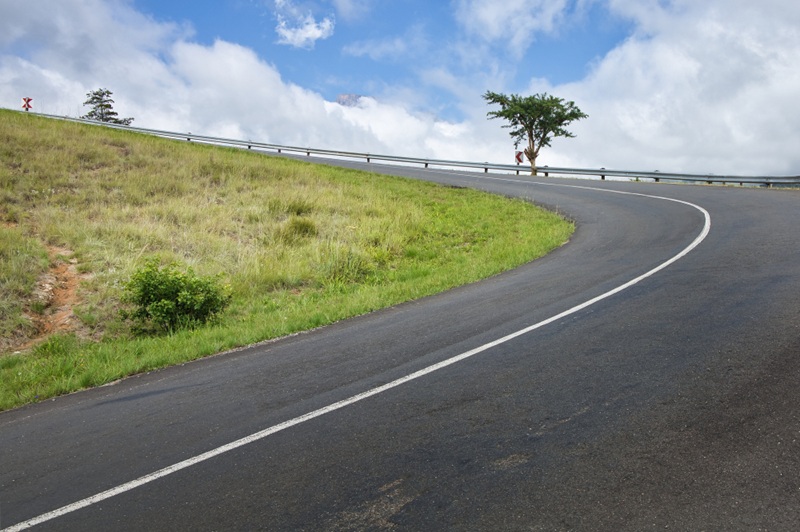
Different types of cracks can develop for different reasons. Some may result from temperature changes, while others can be associated with pavement movement, aging, traffic, or underlying structural problems.
Regular inspections can help property owners identify cracks while they are still limited in size. Addressing them promptly can reduce opportunities for water infiltration and further deterioration.
Freeze-Thaw Cycles Can Damage Pavement
Louisville experiences seasonal temperature changes that can affect asphalt surfaces. When water enters cracks or pavement gaps and temperatures drop, the water can freeze and expand.
As temperatures rise, the ice melts and leaves behind space that can allow additional water to enter. Repeated freeze-thaw cycles can gradually weaken pavement.
Over time, this process may contribute to cracking, surface deterioration, and pothole development.
Maintaining cracks and addressing drainage issues before cold weather arrives can help reduce the impact of seasonal changes.
Poor Drainage Can Cause Potholes
Potholes are among the most recognizable forms of pavement damage. They can develop when water weakens the pavement structure and vehicle traffic repeatedly stresses the compromised area.
Once a small damaged section develops, passing vehicles can make the opening larger and deeper.
Potholes should be addressed promptly because they can affect vehicle comfort and create additional pavement deterioration. A professional asphalt driveway repair approach should consider why the pothole developed rather than simply filling the visible depression.
If the underlying drainage or base problem remains unresolved, the same area may deteriorate again.
Heavy Vehicle Traffic Can Accelerate Wear
Residential driveways are generally designed around expected vehicle use, but repeated heavy traffic can place additional stress on pavement.
Large trucks, trailers, construction equipment, or frequent delivery vehicles can exert greater loads than ordinary passenger cars.
If a driveway regularly experiences heavier traffic than it was designed to handle, surface deformation, cracking, or rutting may develop more quickly.
Property owners should consider actual vehicle use when evaluating asphalt driveway repair needs. If heavy traffic is expected, the pavement design and supporting base should be appropriate for those loads.
Poor Installation Can Lead to Premature Damage
The long-term performance of asphalt begins with installation. If the underlying base is weak, drainage is inadequate, or the pavement is improperly compacted, problems can develop earlier than expected.
Poor preparation may leave soft areas beneath the surface. As vehicles repeatedly pass over these areas, the pavement can settle or deform.
This is why professional installation matters. A properly prepared foundation can help the finished driveway withstand everyday use and environmental conditions more effectively.
Soil Movement Can Affect the Driveway
The ground beneath an asphalt driveway is constantly affected by moisture, temperature, and natural movement. Soil that expands, contracts, settles, or becomes saturated can influence the pavement above it.
When the supporting ground moves, cracks or uneven areas may appear.
In these situations, simply repairing the surface may not always address the underlying cause. Effective asphalt driveway repair may require evaluating the base and soil conditions to determine why the pavement is moving.
Tree Roots Can Cause Uneven Pavement
Trees can add beauty and shade to a property, but expanding roots may sometimes affect nearby pavement.
Roots can push upward against asphalt and create raised sections, cracks, or uneven surfaces. The problem can become more noticeable as the tree and root system grow.
If tree roots are affecting a driveway, property owners should carefully evaluate the situation before attempting repairs. Addressing only the asphalt without considering the underlying root activity may provide limited long-term results.
Edges Are Particularly Vulnerable
The edges of an asphalt driveway can experience more wear than the center. Vehicles may occasionally drive over the edges, while grass, soil, and water can affect the pavement boundary.
Unprotected edges may begin to crumble or break away. Once deterioration begins, water can enter the pavement more easily.
Keeping vehicles on the designated driveway surface and maintaining appropriate drainage around the edges can help reduce damage.
When edge deterioration becomes significant, asphalt driveway repair may be necessary to restore the affected area.
Sunlight and Oxidation Age Asphalt
Asphalt is exposed to sunlight every day. Ultraviolet radiation and oxygen can gradually cause the binder within the pavement to become harder and more brittle.
As asphalt ages, it may lose some of its flexibility and become more vulnerable to cracking.
Regular maintenance can help protect aging pavement. Property owners should also pay attention to changes in surface appearance and texture rather than waiting until severe cracks or potholes appear.
Early maintenance can help slow deterioration and reduce the need for extensive asphalt driveway repair.
Neglecting Small Problems Makes Repairs More Expensive
One of the simplest causes of major driveway repair is delayed maintenance.
A small crack can become a larger network of cracks. A minor depression can become a pothole. A drainage problem can gradually weaken a much larger section of pavement.
Property owners who inspect their driveways regularly have a better opportunity to identify problems early.
Some warning signs to watch for include:
- Cracks that are widening or spreading
- Potholes or surface depressions
- Standing water after rainfall
- Crumbling driveway edges
- Areas of uneven settlement
- Loose or deteriorating pavement
- Visible drainage problems
Recognizing these issues early can make repairs more manageable.
Keep Drainage Areas Clear
Drainage maintenance is one of the easiest ways to help protect an asphalt driveway. Leaves, soil, grass, and debris can block drainage routes and prevent water from moving away from the pavement.
After heavy rainfall, inspect the driveway and surrounding areas. Look for water that remains in the same location repeatedly.
If water is consistently collecting near or on the driveway, the property may need a drainage or grading evaluation.
Avoid Parking Heavy Vehicles in Vulnerable Areas
If a driveway was not designed for heavy vehicles, repeatedly parking large trucks or equipment in the same location can accelerate pavement wear.
Property owners should consider how vehicles are distributed across the surface and avoid unnecessary loading of weak or already damaged areas.
If heavy vehicles are unavoidable, the driveway may need to be evaluated to determine whether its structure is suitable for the expected loads.
Address Cracks Before Water Gets In
Crack maintenance is an important part of preventing larger pavement problems. Once cracks appear, property owners should monitor them rather than allowing them to remain untreated indefinitely.
The appropriate repair method depends on the type, size, depth, and cause of the cracking.
Professional evaluation can help determine whether localized maintenance is appropriate or whether a more comprehensive asphalt driveway repair solution is needed.
Repair Potholes Promptly
A pothole rarely improves on its own. Vehicle traffic can continue breaking down the surrounding pavement, allowing the damaged area to expand.
Prompt repair can prevent a small pothole from becoming a larger structural problem.
However, the visible hole is not always the entire problem. Water infiltration, base failure, or drainage issues may be contributing to the damage. Effective repair should therefore consider the cause as well as the appearance.
Maintain the Driveway’s Overall Condition
Preventive maintenance is generally easier than waiting for major deterioration. Regular inspections allow property owners to track changes and address small concerns.
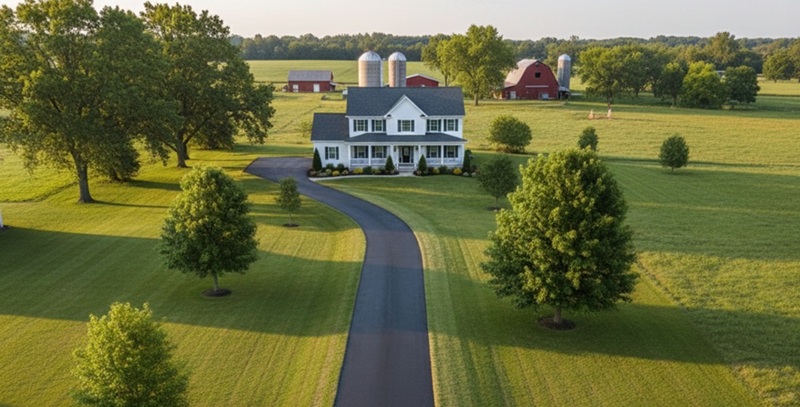
A simple maintenance routine can include checking the surface after severe weather, watching for new cracks, keeping drainage areas clear, and inspecting the driveway edges.
The earlier problems are identified, the more opportunities there may be to control them before extensive asphalt driveway repair becomes necessary.
When Professional Asphalt Driveway Repair Is Needed
Some pavement problems are too extensive for simple maintenance. Large potholes, widespread cracking, severe settlement, drainage-related deterioration, and major edge failure may require professional attention.
A professional assessment can help determine whether the driveway needs localized repairs, structural improvements, resurfacing, or another solution.
The right repair should address the actual cause of the deterioration rather than simply covering the visible symptoms.
Choose Long-Term Solutions Over Temporary Fixes
When repairing asphalt, it can be tempting to choose the quickest visible solution. However, a temporary repair may not last if the underlying cause remains.
For example, filling a pothole without addressing recurring water problems may result in repeated deterioration.
A thoughtful asphalt driveway repair strategy considers the pavement’s condition, drainage, base, traffic, and surrounding environment. Addressing the cause can help produce a more durable result.
Protect Your Driveway Before Major Repairs Are Needed
Asphalt driveways naturally age, but property owners can influence how quickly deterioration progresses. Good drainage, appropriate traffic, timely crack maintenance, and regular inspections can all contribute to longer pavement life.
When problems appear, addressing them early can help reduce the scope of future repairs.
For property owners in Louisville, Kentucky, Commonwealth Paving can assist with driveway and pavement improvement needs. Contact Commonwealth Paving at +1 502 459 7283 or visit 136 Outer Loop, Louisville, Kentucky 40214 to discuss your project.
Keep Your Asphalt Driveway Performing for Years
The need for asphalt driveway repair can result from many factors, including water damage, cracking, freeze-thaw cycles, heavy traffic, soil movement, poor drainage, tree roots, aging, and delayed maintenance. While some deterioration is inevitable as pavement gets older, many problems can be reduced through proper installation and proactive care.
The key is to pay attention to early warning signs. A driveway that is inspected regularly and maintained appropriately has a better opportunity to remain functional and attractive for a longer period.
Whether you are dealing with a few cracks, a developing pothole, drainage concerns, or more extensive pavement deterioration, addressing the issue sooner rather than later can protect your investment. With professional asphalt driveway repair and consistent maintenance, your driveway can continue providing a dependable surface while maintaining the appearance and usability of your property.
Professional Asphalt Driveway Repair: Restore Strength and Curb Appeal
An asphalt driveway does more than provide a place for vehicles to travel and park. It is an important part of a property’s exterior appearance, daily accessibility, and overall functionality. Over time, however, asphalt can develop cracks, potholes, depressions, crumbling edges, and other signs of deterioration. When these problems are ignored, they can spread and eventually require more extensive work.
Professional asphalt driveway repair can help restore damaged pavement while improving the appearance of the property. Addressing problems early can also help protect the underlying pavement structure and reduce the possibility of more significant deterioration.
For homeowners and property owners in Louisville, Kentucky, understanding when driveway repairs are needed and what professional repair involves can make pavement maintenance easier. Commonwealth Paving provides paving and driveway services designed to help property owners maintain functional and attractive paved surfaces. Contact Commonwealth Paving at +1 502 459 7283 or visit 136 Outer Loop, Louisville, Kentucky 40214 to discuss your paving needs.
Why Asphalt Driveways Deteriorate
Asphalt is a durable paving material, but it is exposed to a wide range of conditions throughout the year. Rain, sunlight, temperature changes, vehicle traffic, drainage problems, and natural aging can all affect pavement performance.
Small cracks may appear as the asphalt becomes older and less flexible. Water can enter these openings and reach the supporting layers beneath the surface. Over time, this can weaken the pavement and contribute to potholes, settlement, and larger areas of deterioration.
Vehicle traffic adds additional stress. Repeated loading can gradually wear down vulnerable areas, particularly when the underlying base is weak or drainage is poor.
Understanding these causes is important because effective asphalt driveway repair should address the condition of the pavement rather than simply improve its appearance temporarily.
Signs Your Driveway May Need Repair
Many driveway problems begin gradually. A small crack or shallow depression may not seem urgent, but early attention can help prevent the damage from spreading.
Common warning signs include:
- Cracks that continue to widen or multiply
- Potholes or deteriorated surface areas
- Uneven sections or visible settlement
- Crumbling pavement along the edges
- Areas where water regularly collects
- Loose or deteriorating asphalt
- Surface depressions caused by drainage or base problems
Regularly inspecting your driveway makes it easier to identify these changes before they become more extensive.
Repairing Cracks Before They Spread
Cracks are among the most common asphalt driveway problems. They can develop due to aging, temperature changes, pavement movement, water infiltration, or stress from vehicle traffic.
The longer cracks remain exposed, the more opportunity there is for water to enter the pavement. Once moisture reaches the supporting layers, it can contribute to weakening and additional damage.
Professional asphalt driveway repair can address appropriate cracks before they become part of a larger pavement problem. The correct repair method depends on the size, depth, pattern, and cause of the cracking.
Not every crack requires the same treatment, which is why evaluating the overall pavement condition is important.
Repairing Potholes
Potholes are more than cosmetic imperfections. They can affect vehicle comfort, create hazards, and indicate that the pavement structure has been compromised.
Potholes often develop when water enters cracks or weak areas and undermines the pavement. Repeated vehicle traffic then breaks apart the weakened material.
A proper asphalt driveway repair approach should consider why the pothole formed. Simply filling the visible hole may not provide a lasting solution if water or base problems remain underneath.
Addressing the damaged area and its underlying cause can help create a stronger repair.
Addressing Uneven or Settled Areas
A driveway that was once level may develop low spots or uneven sections over time. Settlement can occur because of soil movement, inadequate base preparation, water infiltration, or changes beneath the pavement.
Uneven pavement can affect drainage and may become more noticeable as vehicles repeatedly travel over the area.
Professional assessment can determine whether localized repair is appropriate or whether a larger section needs to be reconstructed.
Correcting settlement can improve both the functionality and appearance of the driveway.
Why Drainage Matters During Driveway Repair
Water management should be a major consideration whenever pavement is repaired. If water continues to collect near a damaged area, the same problem may return after repairs are completed.
Poor drainage can contribute to cracking, potholes, erosion, settlement, and deterioration beneath the asphalt.

During an asphalt driveway repair project, evaluating how water moves across and around the property can help identify conditions that need attention.
Proper grading can encourage water to move away from the driveway rather than remain concentrated on the pavement.
Repairing Damaged Driveway Edges
Driveway edges can be especially vulnerable. Vehicles may occasionally drive over the edge, while grass, soil, and water can contribute to deterioration.
Once an edge begins to crumble, the damage can spread inward. Weak edges may also allow water to enter the pavement structure.
Maintaining a clear boundary between the driveway and surrounding landscape can help reduce this type of deterioration.
When edge damage becomes significant, professional asphalt driveway repair can restore the affected area and improve the overall appearance of the pavement.
The Importance of the Underlying Base
A driveway’s surface is only as strong as the structure supporting it. If the base or soil beneath the asphalt is unstable, surface repairs may not remain effective for long.
Soft soil, poor drainage, settlement, and inadequate preparation can all contribute to pavement failure.
When evaluating repair needs, professionals may look beyond the visible asphalt to determine whether the supporting layers are contributing to the problem.
Addressing underlying weaknesses can make a major difference in the long-term performance of the repaired driveway.
Repair or Replace?
One of the most important questions property owners face is whether to repair a damaged driveway or replace a larger section.
Localized problems may be suitable for targeted asphalt driveway repair, particularly when the surrounding pavement remains structurally sound.
Widespread cracking, severe settlement, extensive potholes, or significant structural deterioration may indicate that more comprehensive work is necessary.
The right decision depends on the overall condition of the pavement rather than the appearance of a single damaged area.
Restore Curb Appeal With Professional Repairs
Driveway damage can affect the entire appearance of a property. Cracked surfaces, potholes, faded pavement, and deteriorated edges can make a well-maintained property appear neglected.
Professional repairs can restore a cleaner, more organized appearance. Addressing damaged sections and improving pavement consistency can make the driveway look significantly better.
For homeowners who take pride in their property’s exterior, asphalt driveway repair can be an effective way to improve curb appeal without immediately replacing the entire driveway.
Prepare the Surface Before Repair
Quality repairs begin with appropriate preparation. Dirt, loose material, standing water, and damaged asphalt may need to be addressed before repair work begins.
The damaged section should be evaluated carefully so that the repair is appropriate for the type and extent of deterioration.
Proper preparation helps create a cleaner repair area and can improve the connection between the existing pavement and the repaired section.
Consider Weather Conditions
Weather can influence paving and repair work. Temperature, moisture, and rainfall conditions can affect how asphalt materials are placed and how repairs perform.
Planning repairs under suitable conditions can help support better results.
Property owners should also consider seasonal changes when evaluating their driveway. Damage that appears minor during dry weather may become significantly worse after repeated rainfall or freezing temperatures.
Addressing problems before severe seasonal exposure can help protect the pavement.
Prevent Future Asphalt Damage
Repairing a driveway is important, but preventing recurring problems is even better. Property owners can take several steps to support pavement longevity.
Keeping drainage areas clear, avoiding unnecessary heavy loads, inspecting cracks, maintaining the driveway edges, and addressing small problems early can all help.
Water management deserves particular attention. If rainwater repeatedly collects in the same location, the underlying drainage issue should be evaluated rather than ignored.
Preventive care can reduce the frequency and severity of future asphalt driveway repair needs.
Regular Inspections Can Save Time and Money
A simple driveway inspection can reveal changes before they become major problems. Property owners should periodically walk the entire surface and look for cracks, potholes, settlement, edge deterioration, and drainage issues.
It is especially useful to inspect the driveway after severe weather. Heavy rain can reveal drainage problems, while seasonal temperature changes may make existing cracks more visible.
Early identification gives property owners more opportunities to choose targeted repairs rather than waiting for widespread deterioration.
Professional Repairs Protect Your Investment
An asphalt driveway represents an investment in the property. Keeping that pavement in good condition can protect its functionality and appearance.
Professional asphalt driveway repair can address existing damage while helping property owners avoid unnecessary deterioration. Proper assessment, preparation, repair methods, and drainage considerations all contribute to better long-term results.
Instead of waiting until a driveway becomes difficult to use or visually unattractive, property owners can take a proactive approach to pavement care.
Choose Professional Asphalt Driveway Repair in Louisville
A damaged driveway does not necessarily mean the entire surface needs to be replaced. In many situations, timely and properly planned asphalt driveway repair can restore damaged areas, improve appearance, and help protect the remaining pavement.
The key is identifying the cause of the problem and selecting a repair approach that addresses the actual condition of the driveway.
For property owners in Louisville, Kentucky, Commonwealth Paving can help with driveway and pavement improvement needs. Contact Commonwealth Paving at +1 502 459 7283 or visit 136 Outer Loop, Louisville, Kentucky 40214 to discuss your project.
Restore Your Driveway’s Strength and Appearance
A driveway with cracks, potholes, uneven sections, or deteriorating edges can become more problematic when repairs are delayed. Professional asphalt driveway repair provides an opportunity to address these issues while restoring the driveway’s appearance and functionality.
From localized cracks and potholes to drainage-related deterioration and damaged edges, each problem deserves an approach based on its underlying cause. Regular inspections and preventive maintenance can further help protect the pavement after repairs are completed.
A well-maintained driveway improves more than curb appeal. It provides a smoother, more dependable surface for everyday use and helps protect one of the most visible parts of your property. With timely asphalt driveway repair, thoughtful maintenance, and proper drainage, property owners can keep their driveways strong, attractive, and functional for years to come.
Address
Commonwealth Paving, 136 Outerloop, Louisville, Kentucky 40214
Phone: 502-459-7283, Fax: 502-456-2678
Opening Hours
| Monday | 9:00 AM – 5:00 PM |
| Tuesday | 9:00 AM – 5:00 PM |
| Wednesday | 9:00 AM – 5:00 PM |
| Thursday | 9:00 AM – 5:00 PM |
| Friday | 9:00 AM – 5:00 PM |
| Saturday | Closed |
| Sunday | Closed |