
The Complete Guide to Pothole Repair for Parking Lots and Driveways
Potholes are among the most common and noticeable forms of pavement damage. They can begin as small depressions but may quickly become deeper and wider when exposed to vehicle traffic, rainfall, temperature changes, and repeated pavement stress. Whether they appear in a residential driveway or a busy commercial parking lot, potholes should not be ignored.
Timely pothole repair can help restore the surface, improve driving conditions, reduce further pavement deterioration, and protect the overall appearance of the property. However, simply filling a hole is not always enough. A lasting repair requires understanding why the pothole formed and addressing the damaged area appropriately.
For property owners in Louisville, Kentucky, Commonwealth Paving provides paving and pavement maintenance services for parking lots, driveways, and other paved areas. To discuss your paving needs, contact Commonwealth Paving at +1 502 459 7283 or visit 136 Outer Loop, Louisville, Kentucky 40214.
What Causes Potholes?
Potholes typically develop when pavement becomes weakened and material begins to break away. Water is often an important part of this process. When moisture enters cracks or gaps in the pavement, it can reach the underlying base and soil.
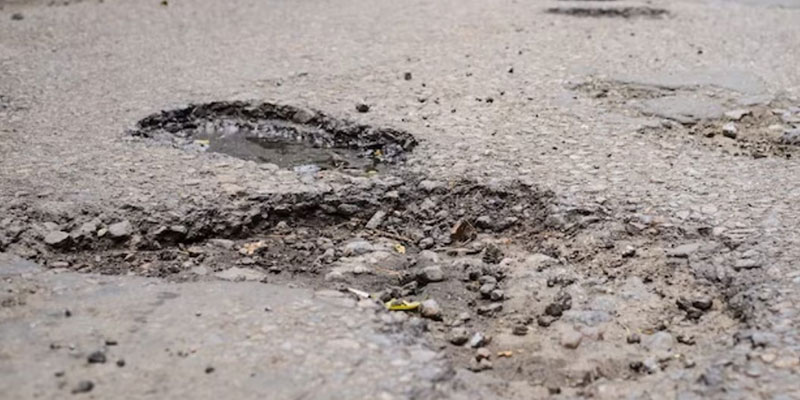
Repeated vehicle traffic places stress on the weakened area. Over time, the pavement can flex, crack, break apart, and eventually form a depression.
Seasonal temperature changes can accelerate the process. Water that enters pavement can freeze and expand during cold conditions, then contract when temperatures rise. Repeated cycles can gradually weaken the pavement structure.
Poor drainage, aging pavement, inadequate base preparation, heavy traffic, and delayed maintenance can all contribute to pothole formation.
Why Potholes Should Be Repaired Promptly
A small pothole can become a larger problem surprisingly quickly. Every vehicle that passes over the damaged area places additional stress on the surrounding pavement.
As the edges break down, the pothole can become deeper and wider. Water may also continue entering the pavement structure, increasing the potential for additional deterioration.
Repairing a pothole can also improve the driving experience. Deep or irregular potholes can create uncomfortable impacts for drivers and may increase the risk of damage to vehicles.
Parking Lot Potholes Create Unique Challenges
Commercial parking lots experience frequent vehicle movement. Cars enter, exit, turn, reverse, and travel over the same areas repeatedly.
Because of this constant activity, potholes in parking lots can become significant maintenance concerns.
A pothole near a parking-space entrance, traffic lane, pedestrian crossing, or building entrance can affect how vehicles move through the property.
Property managers should pay particular attention to potholes in high-traffic areas because repeated vehicle loading can accelerate deterioration.
Driveway Potholes Can Affect Daily Use
Residential and private driveways may experience less traffic than commercial parking lots, but potholes can still develop.
Water drainage problems, aging pavement, heavy vehicles, soil movement, and freeze-thaw cycles can all contribute to driveway potholes.
A pothole at the entrance of a driveway may become especially noticeable because vehicles repeatedly pass over it. If left untreated, the damaged area can expand and affect a larger section of pavement.
Timely pothole repair can help restore the driveway and reduce the chance of the damage becoming more extensive.
How to Identify a Developing Pothole
Not every pavement depression is immediately a pothole. Some problems begin as subtle surface changes that indicate underlying deterioration.
Property owners should watch for areas where the pavement appears lower than surrounding sections, cracking begins to form, water collects, or the surface starts breaking apart.
Early warning signs include:
- Small depressions or sunken areas
- Cracking around a low spot
- Loose asphalt or broken pavement pieces
- Standing water after rainfall
- Edges that are beginning to crumble
- A depression that becomes deeper over time
Identifying these signs early can create an opportunity for preventive maintenance before a full pothole develops.
Water and Drainage Are Major Factors
Water is one of the biggest enemies of pavement. If drainage is poor, rainwater can collect on the surface and seep into cracks.
Once water reaches the base or soil beneath the pavement, it can weaken those supporting layers. Vehicles traveling over the area then apply repeated pressure to the weakened structure.
This combination can accelerate pothole formation.
Effective pothole repair should therefore consider drainage. If the same location repeatedly develops potholes after rainfall, filling the hole alone may not solve the underlying problem.
Freezing and Thawing Can Make Potholes Worse
Seasonal temperature changes can contribute to pavement deterioration. Water that enters cracks may freeze and expand, placing pressure on the surrounding pavement.
When temperatures rise, the ice melts and leaves behind space. Additional water can enter, and the cycle can repeat.
Over time, this process may cause pavement to crack, loosen, and break apart.
Addressing cracks and drainage problems before seasonal changes can help reduce the likelihood of significant pothole development.
Heavy Traffic Can Accelerate Pavement Failure
Pavement is designed to handle expected traffic loads. When heavy vehicles repeatedly travel over a weak or deteriorated area, the pavement can fail more quickly.
Commercial parking lots may experience delivery trucks, service vehicles, and other heavier traffic. Residential driveways may also occasionally accommodate large trucks, trailers, or equipment.
If potholes repeatedly appear in areas used by heavy vehicles, the pavement should be evaluated to determine whether the underlying structure is adequate.
A lasting pothole repair may require more than restoring the visible surface if the underlying base has been compromised.
Why Quick Patching May Not Always Be Enough
Pothole patching can be effective when the damaged area is appropriately prepared and the repair method matches the condition of the pavement.
However, simply placing material into a hole without addressing loose edges, moisture, or underlying structural problems may provide limited durability.
The damaged area should be evaluated to determine what caused the failure.
For isolated, relatively minor damage, a targeted pothole repair may be appropriate. More extensive deterioration may require deeper repair or reconstruction of the affected section.
Preparing the Damaged Area
Preparation is an important part of successful pothole repair. Loose material and debris may need to be removed so the damaged area has a stable boundary.
Standing water and unstable material should also be addressed before repair work proceeds.
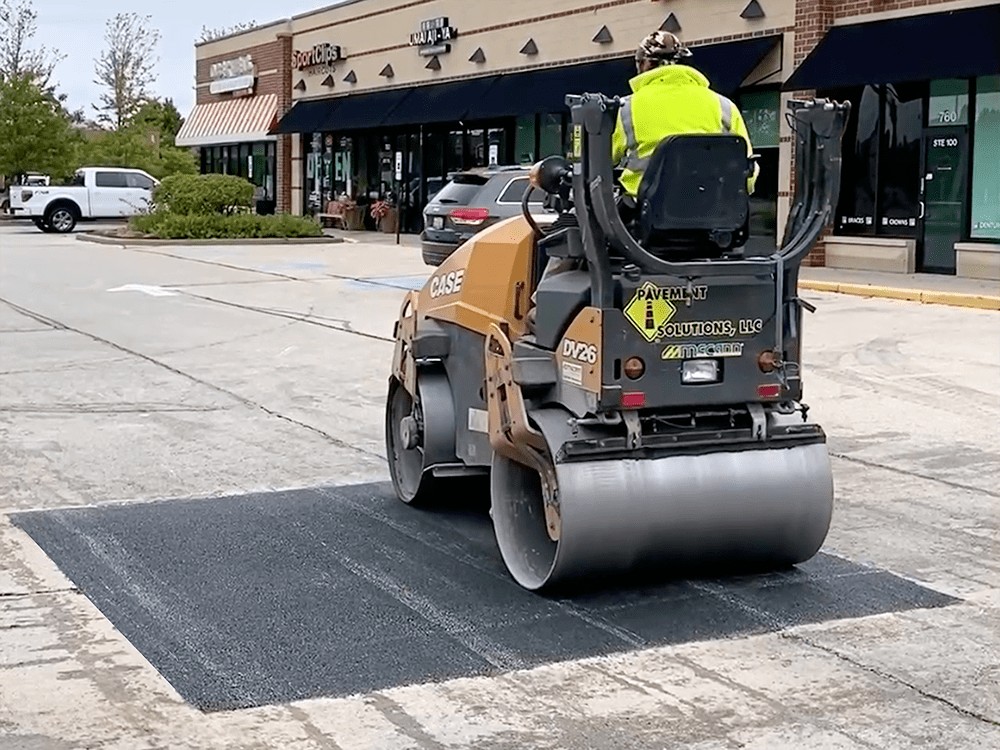
The repair area needs to be properly shaped and prepared so the new material can bond and compact effectively.
Good preparation helps create a stronger connection between the existing pavement and repaired section.
Compaction Is Critical
Compaction helps create a dense and stable repair. If repair material is not adequately compacted, it may remain loose and become vulnerable to movement under vehicle traffic.
Proper compaction reduces air gaps and helps the material interlock.
The appropriate approach depends on the size and depth of the pothole, the surrounding pavement, and the materials being used.
For property owners, this is one reason professional pothole repair can provide better long-term results than simply filling visible holes without proper preparation.
Addressing the Root Cause
A successful repair should consider why the pothole formed in the first place.
If the problem is caused by drainage, water management may need to be improved. If the area has an unstable base, the supporting material may need attention. If repeated heavy traffic is responsible, the pavement may need to be evaluated for appropriate structural capacity.
Addressing the cause can help reduce the likelihood of repeated potholes in the same location.
When Does a Pothole Need Professional Attention?
Not every small surface imperfection requires extensive work, but certain conditions should prompt a professional evaluation.
Large potholes, repeated failures, deep depressions, widespread cracking, significant water accumulation, and areas with obvious base deterioration can indicate more serious pavement problems.
A professional assessment can determine whether localized pothole repair is sufficient or whether a larger section needs to be addressed.
This can help property owners avoid repeatedly repairing the same area without resolving the underlying issue.
Preventing Potholes in Parking Lots and Driveways
Pothole prevention starts with good pavement maintenance. Property owners cannot eliminate every cause of pavement deterioration, but they can take steps to reduce unnecessary damage.
Regular inspections are particularly valuable. Look for cracks, drainage problems, pavement settlement, and areas where water remains after rainfall.
Other useful maintenance practices include:
- Keep drainage paths and nearby inlets clear of debris
- Address cracks before water can penetrate deeply
- Monitor areas exposed to heavy vehicle traffic
- Repair small pavement failures before they expand
- Inspect pavement after severe weather
- Maintain proper grading and water flow around the property
Preventive maintenance can reduce the frequency and severity of potholes over time.
Why Parking Lot Appearance Matters
Potholes affect more than pavement performance. They can also influence how visitors perceive a property.
A parking lot with multiple potholes, cracked pavement, and uneven surfaces can appear neglected. For commercial properties, that appearance may affect the overall impression customers and visitors have when they arrive.
Timely pothole repair can improve both functionality and curb appeal.
A smoother, better-maintained parking lot looks more organized and can provide a more comfortable experience for drivers.
Repairing Potholes Is Part of Long-Term Maintenance
Pothole repair should not be treated as an isolated activity. It is one part of a larger pavement maintenance strategy.
Property owners should consider the overall condition of the parking lot or driveway. If potholes are appearing frequently, that may indicate broader pavement deterioration.
Regular inspections can help determine whether isolated repairs are sufficient or whether larger maintenance work should be considered.
The goal is to manage pavement problems before they become major structural failures.
Consider the Entire Pavement System
A paved surface consists of more than the visible asphalt. Beneath it are supporting layers that distribute vehicle loads and provide stability.
If these underlying layers become weak, surface damage can occur even when the asphalt initially appears sound.
This is why effective pothole repair considers the entire pavement system. Understanding what is happening beneath the visible hole can help determine the appropriate repair approach.
Extend Pavement Life Through Proactive Care
Property owners who respond quickly to pavement problems have more opportunities to protect their investment.
Small cracks can be addressed before they expand. Drainage issues can be corrected before water causes extensive deterioration. Developing potholes can be repaired before they spread into larger damaged areas.
Proactive maintenance does not eliminate the need for future repairs, but it can help manage deterioration more effectively.
Professional Pothole Repair in Louisville
Potholes can develop for many reasons, including water infiltration, drainage problems, freeze-thaw cycles, heavy traffic, weak pavement bases, aging surfaces, and delayed maintenance. The most effective solution depends on the cause and extent of the damage.
For property owners in Louisville, Kentucky, Commonwealth Paving provides paving and pavement maintenance services for driveways, parking lots, and other paved areas. To discuss your pothole repair needs, contact Commonwealth Paving at +1 502 459 7283 or visit 136 Outer Loop, Louisville, Kentucky 40214.
Keep Potholes From Becoming Bigger Problems
A pothole may begin as a small depression, but continued traffic and water exposure can quickly turn it into a larger pavement problem. Timely pothole repair can restore damaged areas, improve driving conditions, and help protect the surrounding pavement.
The most effective approach combines proper repair with preventive maintenance. Regular inspections, good drainage, timely crack repairs, appropriate traffic management, and professional pavement evaluation can all help reduce future deterioration.
Whether you manage a busy commercial parking lot or maintain a residential driveway, paying attention to pavement condition can protect your investment. When potholes appear, addressing them promptly is one of the simplest ways to keep paved surfaces safer, more attractive, and more functional for years to come.
Pothole Repair Costs in 2026: What Property Owners Should Expect
Potholes are more than an annoying imperfection in a driveway or parking lot. They can grow quickly, damage vehicles, interfere with traffic flow, and contribute to broader pavement deterioration. For property owners, one of the first questions after discovering a pothole is often simple: How much will pothole repair cost in 2026?
The answer depends on much more than the size of the hole. Repair costs can vary based on the pothole’s depth, the condition of the surrounding pavement, the strength of the underlying base, drainage conditions, accessibility, the repair method, and whether one pothole or an entire group of damaged areas needs attention.
Current 2026 cost guides place professional asphalt pothole repairs broadly around $100 to $400 or more per pothole for smaller residential repairs, while more extensive patching can run higher. Some current cost data also places asphalt repair involving potholes and similar localized damage at approximately $2 to $5 per square foot, depending on the scope and method.
These figures are useful for budgeting, but they should not be treated as a guaranteed quote. Local labor, material availability, site conditions, project size, and the extent of underlying damage can significantly change the final price.
For property owners in Louisville, Kentucky, Commonwealth Paving provides paving and pavement repair services. To discuss a pothole problem or request project information, contact Commonwealth Paving at +1 502 459 7283 or visit 136 Outer Loop, Louisville, Kentucky 40214.
What Is the Typical Pothole Repair Cost in 2026?
There is no universal price for pothole repair because every damaged area is different. A shallow pothole on an otherwise healthy driveway may require a relatively straightforward patch, while a deep pothole caused by drainage or base failure may require more extensive preparation.
For general 2026 budgeting, small asphalt pothole repairs may fall roughly in the $100 to $400 range per pothole, while larger or more complicated repairs can cost considerably more. Current published cost information also shows that asphalt repairs involving potholes, crumbling, and minor sinking can commonly fall around $2 to $5 per square foot.
These numbers are best viewed as planning ranges rather than fixed prices. A professional assessment is necessary to determine what your particular property requires.
Why Pothole Repair Prices Vary
Two potholes that appear similar from the surface can have completely different causes underneath. One may be a small area of surface deterioration, while another may indicate a weakened pavement base.
Several factors influence pothole repair costs, including:
- Size and depth of the pothole
- Condition of the surrounding asphalt
- Base or subgrade condition
- Drainage and water problems
- Number of potholes being repaired
- Accessibility of the work area
- Repair method and materials required
- Amount of preparation and cleanup
Understanding these factors can make it easier for property owners to evaluate estimates and recognize why two projects may have different prices.
Pothole Size Has a Direct Impact
The larger the damaged area, the more material, preparation, labor, and equipment may be required. A small pothole can sometimes be repaired with a localized patch, while a large or deep failure may require the damaged pavement to be removed and reconstructed.
Depth also matters. A pothole that extends into the base layer is generally more complicated than one limited primarily to the pavement surface.
This is why measuring only the visible opening may not tell the entire story. The damaged area beneath the surface can be larger than what appears from above.
The Condition of the Base Matters
The asphalt surface is only one part of a pavement system. Beneath it are supporting layers that distribute vehicle loads and help keep the surface stable.
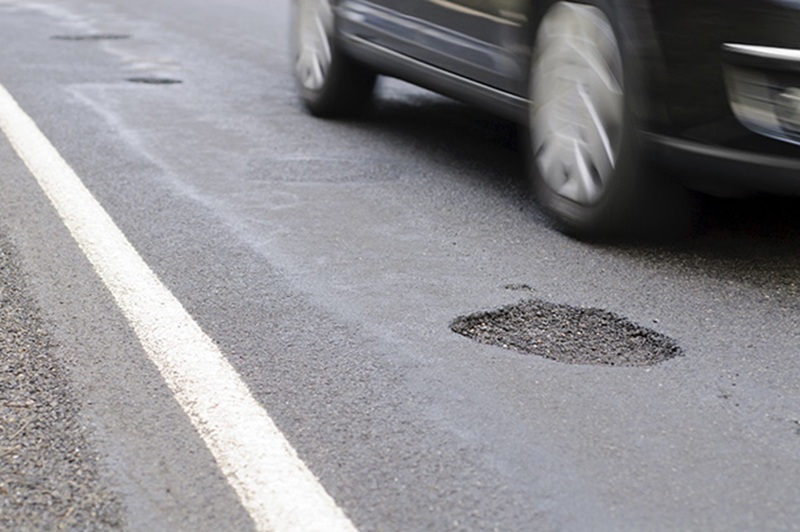
If the base has become weakened by water, poor drainage, settlement, or repeated heavy traffic, simply filling the pothole may not solve the problem.
A more comprehensive pothole repair may be necessary when the underlying structure has failed. This can involve removing damaged material, correcting the weak area, restoring the supporting layers, and rebuilding the pavement surface.
While this can increase the immediate project cost, addressing the underlying problem may help prevent repeated repairs.
Drainage Problems Can Increase Repair Costs
Water is one of the most common contributors to pothole formation. When water enters pavement cracks or collects around damaged areas, it can weaken the supporting materials beneath the asphalt.
If a pothole repeatedly develops in the same location, poor drainage may be part of the problem.
In such situations, the repair may need to include drainage improvements or grading corrections. Otherwise, the same area could deteriorate again after future rainfall.
For this reason, a professional pothole repair evaluation should consider how water moves across and around the pavement.
Driveway Pothole Repair Costs
Residential driveways generally have lower traffic volumes than commercial parking lots, but potholes can still become significant problems.
Current 2026 cost information places many asphalt driveway repair projects in the broader range of roughly $1,070 to $4,025, with the actual price depending heavily on the extent of damage and whether the work involves localized repairs, leveling, or more substantial restoration.
A single small pothole may cost far less than repairing multiple damaged sections across an entire driveway.
The driveway’s accessibility, existing pavement condition, drainage, and required preparation can also affect the final price.
Parking Lot Pothole Repair Costs
Commercial parking lots present a different cost situation. They are larger, often receive heavier traffic, and may contain multiple potholes or damaged pavement sections.
A single pothole may be relatively inexpensive to repair, but mobilizing equipment and labor for a very small isolated job can make the total project cost higher than simply multiplying a per-square-foot rate.
For larger parking lot repair projects, pricing may instead be based on the total area being repaired, the number of damaged sections, and the depth of reconstruction required.
This is one reason property owners may find it more efficient to address several potholes during the same maintenance project.
Why Multiple Potholes May Change the Economics
If a parking lot has several potholes, repairing them together can sometimes make more practical sense than scheduling separate visits.
Equipment, labor, preparation, and site access requirements can affect small repair projects disproportionately. When multiple damaged areas are handled during one project, the overall work can sometimes be planned more efficiently.
Property owners should therefore evaluate the condition of the entire parking lot rather than focusing on one pothole at a time.
A professional inspection can help identify other developing problem areas that may not yet have become full potholes.
Small Repairs vs. Full-Depth Repairs
Not every pothole requires the same repair technique.
A relatively shallow pothole on structurally sound pavement may be appropriate for localized patching. However, if the damage extends through the pavement and into the supporting base, a deeper repair may be necessary.
Full-depth repairs require more labor and materials because the damaged pavement and underlying material may need to be removed and rebuilt.
This difference can have a significant impact on pothole repair costs.
When a Pothole Indicates a Bigger Problem
A pothole can sometimes be a symptom rather than the actual problem. If potholes are appearing repeatedly throughout the same parking lot or driveway, the pavement may have broader structural or drainage issues.
Other warning signs include widespread cracking, standing water, settlement, crumbling edges, and multiple depressed areas.
When these conditions are present, repeatedly patching individual potholes may not be the most economical long-term approach.
A broader pavement evaluation may reveal whether resurfacing, reconstruction, drainage work, or another solution would provide better value.
How Weather Can Affect Repair Costs
Weather can influence both pavement deterioration and the timing of repairs.
Rain can make preparation more difficult and can expose drainage problems. Seasonal temperature changes can contribute to cracking and pavement movement.
Cold-weather conditions may also affect certain repair materials and installation processes.
Planning repairs under suitable conditions can help support better results. Property owners should also consider addressing developing potholes before seasonal weather causes additional damage.
Accessibility Can Affect the Price
A pothole in an open driveway may be relatively easy to access. A pothole surrounded by parked vehicles, structures, landscaping, narrow lanes, or other obstacles can require additional planning.
Commercial parking lots can be particularly challenging when repairs must be performed while the property remains partially operational.
The more difficult the work area is to access, the more time and coordination may be required.
This is another reason why an accurate pothole repair estimate should consider the actual property rather than relying entirely on generic cost-per-hole figures.
Why Cheap Repairs Can Become Expensive
Property owners naturally want to control maintenance costs. However, the cheapest immediate repair is not always the least expensive long-term solution.
If a pothole is filled without addressing a failed base or drainage problem, the area may deteriorate again. Repeated repairs can eventually cost more than addressing the underlying cause in the first place.
A better approach is to consider the pavement’s overall condition and choose a repair method appropriate to the problem.
How Property Owners Can Reduce Pothole Repair Costs
Preventive maintenance can help reduce the number and severity of potholes. Property owners should regularly inspect paved surfaces and respond to early warning signs.
Cracks should be monitored and addressed before they allow significant water infiltration. Drainage areas should remain clear, and standing water should be investigated rather than ignored.
Heavy traffic areas deserve particular attention because repeated vehicle loading can accelerate deterioration.
Early maintenance can often be more manageable than waiting until pavement damage becomes widespread.
What Should Be Included in a Pothole Repair Estimate?
Before approving a project, property owners should understand what the quoted price covers.
A detailed estimate may address the damaged area, preparation, materials, labor, equipment, cleanup, and any necessary work below the surface.
It is also useful to ask whether the estimate covers drainage corrections or other work if an underlying problem is discovered.
Understanding the scope can make cost comparisons more meaningful and reduce the possibility of unexpected charges later.
Repair Costs vs. Long-Term Pavement Value
The cheapest repair is not necessarily the best investment. A quality pothole repair should restore the damaged area while considering the factors that caused the failure.
When repairs are performed correctly, property owners can improve pavement usability and potentially reduce the risk of the same problem returning quickly.
This is particularly important for commercial properties, where deteriorated pavement can affect parking, traffic flow, appearance, and visitor experience.
Why Prompt Repairs Can Save Money
Delaying pothole repair may allow water and traffic to continue damaging the surrounding pavement. A small hole can become wider and deeper, increasing the amount of material and labor required to repair it.
Prompt attention can help limit the affected area.
Property owners should especially prioritize potholes located in high-traffic lanes, near entrances, around pedestrian areas, or in places where water regularly collects.
Improve Parking Lot and Driveway Appearance
Potholes affect curb appeal as well as pavement performance. A driveway or parking lot filled with damaged areas can make a property appear poorly maintained.
Professional pothole repair can restore a cleaner and more organized appearance. For commercial properties, this can help create a better first impression for customers, employees, and visitors.
A smooth, well-maintained parking area also provides a more comfortable driving experience.
Plan Your 2026 Paving Budget Carefully
When creating a 2026 pavement maintenance budget, property owners should avoid assuming that every pothole will have the same repair cost.
Instead, consider the overall pavement condition. Count visible potholes, inspect surrounding cracks and depressions, evaluate drainage, and identify areas with repeated deterioration.
This broader approach can help determine whether the property needs isolated repairs or a more comprehensive maintenance project.
Get a Property-Specific Assessment
Published cost ranges can help with preliminary budgeting, but actual pothole repair costs depend on the property. Current 2026 estimates provide useful benchmarks, but local conditions and project requirements can change the final price considerably.
For property owners in Louisville, Kentucky, Commonwealth Paving can evaluate paving and pavement repair needs and help determine an appropriate approach.
To discuss your project, contact Commonwealth Paving at +1 502 459 7283 or visit 136 Outer Loop, Louisville, Kentucky 40214.
Make Pothole Repair Part of Your Maintenance Plan
Pothole repair costs in 2026 can range from relatively modest localized expenses to significantly larger investments when the pavement has deeper structural problems. The most important factors include pothole size, depth, drainage, base condition, accessibility, traffic, and the number of damaged areas.
For general budgeting, small pothole repairs may often fall around $100 to $400 per pothole, while broader asphalt repair work can reach several dollars per square foot or substantially more when deep reconstruction is necessary. These are planning ranges, not guaranteed prices.
The smartest approach is to address potholes early and investigate why they developed. A timely repair can help prevent a small pavement problem from becoming a much larger one.
By combining regular inspections, good drainage, preventive maintenance, and professional pothole repair, property owners can protect their driveways and parking lots while making better use of their maintenance budgets throughout 2026 and beyond.
Address
Commonwealth Paving, 136 Outerloop, Louisville, Kentucky 40214
Phone: 502-459-7283, Fax: 502-456-2678
Opening Hours
| Monday | 9:00 AM – 5:00 PM |
| Tuesday | 9:00 AM – 5:00 PM |
| Wednesday | 9:00 AM – 5:00 PM |
| Thursday | 9:00 AM – 5:00 PM |
| Friday | 9:00 AM – 5:00 PM |
| Saturday | Closed |
| Sunday | Closed |