
Common Asphalt Crack Repair Mistakes That Can Shorten Pavement Life
Cracks are one of the earliest warning signs that asphalt pavement is beginning to age or deteriorate. Whether they appear on a residential driveway, commercial parking lot, access road, or other paved surface, cracks should not automatically be dismissed as minor cosmetic imperfections. If left exposed to water, traffic, and changing weather conditions, small cracks can gradually become pathways for more serious pavement damage.
That is why proper asphalt crack repair matters. However, repairing a crack is not simply a matter of filling the opening and moving on. Choosing the wrong repair approach, ignoring underlying problems, or applying repair materials under unsuitable conditions can result in premature failure.
Understanding common repair mistakes can help property owners make better pavement maintenance decisions. With appropriate preparation, timely attention, and professional evaluation, asphalt cracks can be managed before they contribute to more extensive deterioration.
For property owners in Louisville, Kentucky, Commonwealth Paving provides paving and pavement maintenance services for driveways, parking lots, and other paved areas. To discuss your project, contact Commonwealth Paving at +1 502 459 7283 or visit 136 Outer Loop, Louisville, Kentucky 40214.
Mistake #1: Ignoring Small Cracks
One of the most common pavement maintenance mistakes is waiting until a crack becomes large before addressing it.
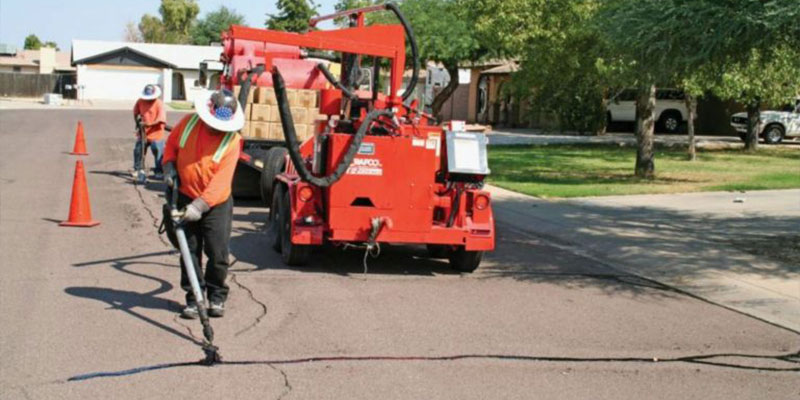
A small crack may appear harmless, particularly when the surrounding pavement still looks strong. However, cracks create openings through which water can reach the pavement’s supporting layers.
Once moisture enters the pavement structure, it can weaken the base and surrounding soil. Vehicle traffic then places additional stress on the weakened area.
Timely asphalt crack repair can help reduce water infiltration and slow the progression of pavement deterioration. Regular inspections make it easier to identify cracks while they are still manageable.
Mistake #2: Repairing Cracks Without Identifying the Cause
Not every crack develops for the same reason. Temperature changes, pavement aging, traffic stress, settlement, drainage problems, and movement beneath the pavement can all contribute to cracking.
If the cause is ignored, a repaired crack may return.
For example, if a section of pavement is settling because of an unstable base, filling the visible crack does not address the movement underneath it.
Mistake #3: Applying Repair Material to a Dirty Crack
Preparation is critical for successful crack repair. Dirt, dust, vegetation, loose debris, and moisture can interfere with the repair material’s ability to adhere properly.
Applying material directly over a contaminated or poorly prepared crack can lead to weak bonding and premature failure.
Before asphalt crack repair, the affected area should be appropriately cleaned and prepared. The exact preparation method depends on the crack type, pavement condition, and repair approach.
A clean repair area provides a better foundation for the repair material.
Mistake #4: Repairing Wet Pavement
Moisture can interfere with many pavement repair processes. Applying repair materials when the crack or surrounding asphalt is excessively wet can affect adhesion and overall performance.
This is particularly important after rainfall or during periods of consistently damp weather.
Property owners should consider weather conditions before scheduling asphalt crack repair. Appropriate surface conditions can help the repair material bond properly and provide better long-term performance.
Mistake #5: Using the Same Repair Method for Every Crack
Asphalt cracks come in different shapes, sizes, and patterns. A narrow isolated crack may require a different treatment from a wide, irregular crack or a network of interconnected cracks.
Some cracking may indicate surface aging, while widespread cracking can suggest structural deterioration.
Using the same repair method for every crack can result in ineffective maintenance.
Professional evaluation can help determine which cracks are appropriate for localized asphalt crack repair and which may require more extensive pavement rehabilitation.
Mistake #6: Filling Cracks That Are Actually Structural Failures
One of the most important distinctions in pavement maintenance is the difference between surface-level cracking and structural failure.
A crack may sometimes be a symptom of movement beneath the asphalt. If the base is unstable or the pavement has experienced significant settlement, surface crack filling may provide only temporary improvement.
When structural problems are present, the damaged area may require deeper repair.
Attempting to solve a structural issue with simple asphalt crack repair can lead to repeated maintenance and unnecessary expense.
Mistake #7: Ignoring Drainage Problems
Water is a major contributor to pavement deterioration. When water repeatedly collects around cracked areas, it can penetrate deeper into the pavement system.
Poor drainage may therefore cause repaired cracks to reopen or nearby pavement to deteriorate.
Property owners should inspect areas where water remains after rainfall. If the same location repeatedly develops cracks or potholes, drainage may be part of the problem.
Addressing water management alongside asphalt crack repair can improve the chances of achieving a longer-lasting result.
Mistake #8: Waiting Until Cracks Spread Across the Pavement
A few isolated cracks may be manageable, but widespread cracking can indicate that pavement deterioration has progressed significantly.
Waiting too long can allow individual cracks to connect, creating larger networks of damaged pavement.
Once cracking becomes widespread, localized asphalt crack repair may no longer be sufficient.
Regular inspections can help property owners identify when maintenance is still appropriate and when the overall pavement condition needs a more comprehensive evaluation.
Mistake #9: Ignoring Pavement Edges
Cracks frequently develop along pavement edges, where asphalt may be exposed to moisture, landscaping, vehicle traffic, and erosion.
If edge cracks are ignored, water can enter the pavement structure and gradually weaken the surrounding area.
Property owners should pay particular attention to driveway and parking-lot edges during routine inspections.
Maintaining appropriate drainage and preventing vehicles from repeatedly driving over unsupported edges can help reduce cracking.
Mistake #10: Applying Repair Material Too Thickly or Unevenly
More repair material does not necessarily mean a better repair. Applying material unevenly or inappropriately can affect the finished appearance and performance.
The repair should be compatible with the crack and surrounding pavement.
Proper application helps create a consistent surface while minimizing unnecessary material buildup.
Experienced asphalt crack repair professionals understand how repair materials should be applied based on the condition and dimensions of the crack.
Mistake #11: Treating Surface Appearance as the Only Goal
Crack repair can make pavement look significantly better, but appearance should not be the only objective.
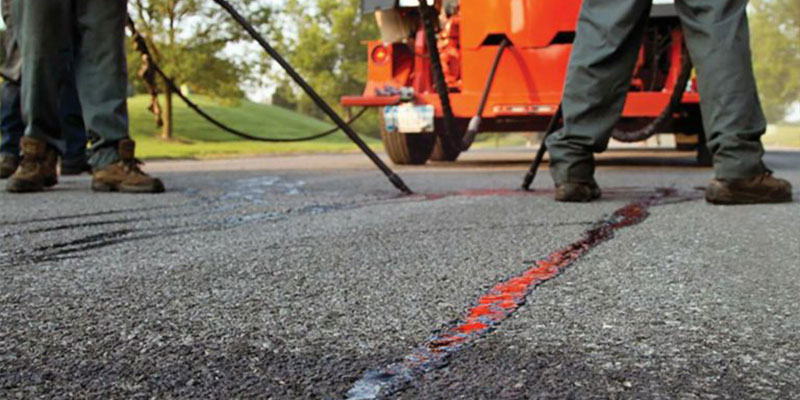
A crack may disappear visually while the underlying problem remains.
For example, if pavement is moving because of settlement, simply making the crack less visible does not stabilize the supporting structure.
Successful pavement maintenance should balance appearance with structural condition, water management, and long-term performance.
Mistake #12: Repairing Cracks Without Inspecting Surrounding Pavement
A crack rarely exists in complete isolation. Nearby areas may contain additional cracks, low spots, weakened edges, or early pothole development.
Repairing one visible crack without examining the surrounding pavement can result in missed warning signs.
Before beginning asphalt crack repair, property owners should consider the condition of the entire affected section.
A broader inspection can reveal whether the problem is localized or part of a larger pattern.
Mistake #13: Neglecting Seasonal Changes
Asphalt expands and contracts as temperatures change. Seasonal weather can therefore influence existing cracks and create new pavement stress.
Louisville’s changing conditions can expose pavement to rainfall, summer heat, cold temperatures, and freeze-thaw cycles.
Property owners should pay attention to how cracks change throughout the year. Addressing developing cracks before severe seasonal exposure can help reduce the opportunity for water to enter the pavement.
Mistake #14: Forgetting About Heavy Traffic
Traffic loads can accelerate pavement deterioration. Areas repeatedly exposed to heavy vehicles may develop cracks more quickly than sections used primarily by passenger cars.
Commercial parking lots, loading areas, entrances, and driveways that regularly accommodate heavier vehicles deserve particular attention.
If cracking repeatedly occurs in the same high-traffic location, the pavement’s structural capacity may need to be evaluated.
Simply repeating asphalt crack repair without considering traffic loads may not address the reason the crack continues to return.
Mistake #15: Choosing Short-Term Solutions for Long-Term Problems
Property owners understandably want repairs that are affordable and convenient. However, repeatedly applying temporary fixes can become expensive when the underlying problem is structural.
If cracks reopen shortly after repair, that is a signal that additional evaluation may be necessary.
A long-term pavement strategy considers the condition of the surface, base, drainage, traffic, and surrounding environment.
The objective of asphalt crack repair should be to manage pavement deterioration effectively rather than repeatedly treating the same symptom.
How to Avoid Common Asphalt Crack Repair Mistakes
Preventing repair mistakes begins with regular pavement observation. Property owners do not need to wait for obvious failure before taking action.
Useful maintenance habits include:
- Inspect pavement regularly for new or expanding cracks
- Check for standing water after rainfall
- Keep drainage paths clear
- Monitor areas exposed to heavy vehicle traffic
- Address damaged edges before deterioration spreads
- Evaluate repeated cracks for underlying causes
- Schedule professional assessments when damage becomes widespread
These simple practices can help property owners identify problems earlier and make more informed maintenance decisions.
Why Professional Evaluation Can Make a Difference
Not every crack requires the same solution. Professional evaluation can help determine the severity of the damage and whether localized asphalt crack repair is appropriate.
An experienced paving professional can examine the crack pattern, surrounding pavement, drainage, and potential structural concerns.
This broader perspective can help prevent property owners from spending money repeatedly repairing symptoms while an underlying problem continues to cause damage.
When Crack Repair May Not Be Enough
Crack repair is most useful when the surrounding pavement remains structurally sound. If the pavement has extensive cracking, severe settlement, widespread potholes, or major base failure, a larger rehabilitation strategy may be necessary.
In these situations, repeatedly filling cracks may offer only temporary visual improvement.
A comprehensive pavement assessment can help determine whether the property would benefit from localized repairs, resurfacing, reconstruction, or another approach.
Protecting Your Pavement After Repair
Proper maintenance does not end after the crack has been repaired. Property owners should continue inspecting the pavement and monitoring repaired areas.
Watch for cracks that reopen, water collecting nearby, new deterioration, or changes in the surrounding pavement.
Keeping drainage systems clear and addressing new pavement problems promptly can help protect repaired areas.
Preventive maintenance can make asphalt crack repair more effective by reducing the conditions that contributed to the original damage.
Improve Pavement Life With Smarter Crack Repair
Asphalt crack repair can play an important role in extending pavement service life, but poor repair practices can limit its effectiveness. Ignoring cracks, failing to prepare the surface, overlooking drainage, using inappropriate repair methods, and treating structural problems as simple cracks can all contribute to premature pavement deterioration.
The best approach is proactive. Inspect pavement regularly, identify cracks early, understand why they developed, and choose a repair strategy that matches the actual condition of the surface.
For property owners in Louisville, Kentucky, Commonwealth Paving can assist with pavement maintenance and asphalt crack repair needs. To discuss your project, contact Commonwealth Paving at +1 502 459 7283 or visit 136 Outer Loop, Louisville, Kentucky 40214.
Give Your Pavement a Better Chance to Last
Cracks are a natural part of asphalt aging, but they do not have to become major pavement failures. Timely maintenance and appropriate asphalt crack repair can help limit water infiltration, protect supporting layers, and preserve the appearance and functionality of driveways and parking lots.
The key is to avoid treating cracks as isolated cosmetic issues. Look at the entire pavement system, including drainage, traffic, edges, base conditions, and surrounding deterioration.
By avoiding common repair mistakes and addressing problems before they spread, property owners can make smarter maintenance decisions and help their pavement perform reliably for years to come.
Asphalt Crack Repair Costs: What Property Owners Need to Know in 2026
Cracks are among the earliest signs that an asphalt driveway, parking lot, or paved surface is beginning to age. While a few narrow cracks may not seem urgent, leaving them untreated can allow water to penetrate the pavement and contribute to more serious deterioration. For property owners, timely asphalt crack repair can be an important part of protecting a pavement investment.
One of the first questions property owners usually ask is how much crack repair will cost in 2026. Unfortunately, there is no single price that applies to every project. The cost can vary significantly depending on the size and number of cracks, the repair method, pavement condition, accessibility, labor requirements, and whether the cracks are surface-level or signs of a deeper structural problem.
Current 2026 cost guides commonly place asphalt crack repair at roughly $0.50 to $3 per linear foot, although broader asphalt repair projects can cost considerably more depending on the extent of damage and preparation required.
For property owners in Louisville, Kentucky, Commonwealth Paving provides paving and pavement maintenance services for driveways, parking lots, and other paved surfaces. To discuss your project, contact Commonwealth Paving at +1 502 459 7283 or visit 136 Outer Loop, Louisville, Kentucky 40214.
What Is the Average Asphalt Crack Repair Cost in 2026?
A useful starting point for budgeting is the amount of cracking that needs to be repaired. Current published cost estimates indicate that crack sealing or filling may cost approximately $0.50 to $3 per linear foot, depending on the project and repair method.
However, a property owner should not assume that multiplying the length of the cracks by a published price will produce an exact project total.
Small projects may have minimum service or mobilization costs. Larger projects may receive different pricing based on the total amount of work. If cracks are associated with damaged pavement or drainage problems, additional work may also be necessary.
Why Asphalt Crack Repair Costs Vary
Several factors influence the final price of asphalt crack repair. Two properties with the same amount of visible cracking may have very different project requirements.
The most important cost factors can include:
- Total linear footage of cracking
- Width and depth of the cracks
- Type and pattern of cracking
- Number of separate damaged areas
- Condition of the surrounding pavement
- Surface preparation requirements
- Accessibility of the work area
- Drainage or underlying structural issues
Understanding these factors can help property owners evaluate estimates more realistically.
The Number of Cracks Makes a Difference
A driveway with a few isolated cracks may require relatively limited work. A parking lot with hundreds or thousands of linear feet of cracking is a very different project.
For larger properties, the total amount of crack preparation and repair material can significantly influence the project cost.
Commercial parking lots may also have different access requirements than residential driveways. Vehicles may need to be redirected while work is performed, adding coordination to the project.
When budgeting for asphalt crack repair, it is therefore useful to evaluate the entire pavement rather than focusing on one or two visible cracks.
Crack Width and Severity Affect Pricing
Not all cracks are equally easy to repair. Narrow cracks may require a different preparation and treatment approach from wider cracks.
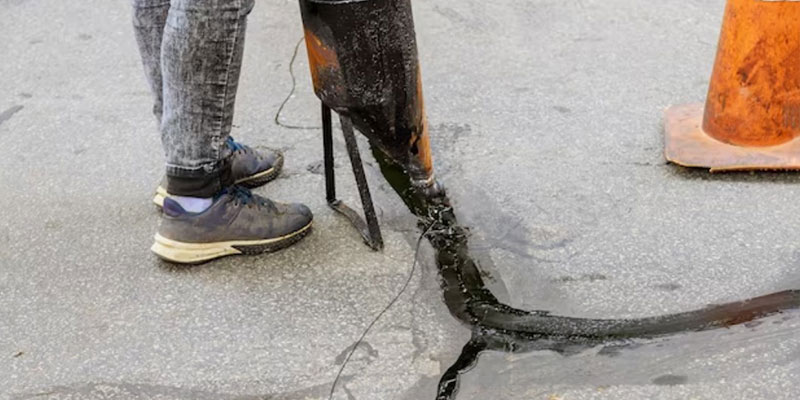
Some cracks are relatively straight and isolated, while others branch into complex patterns.
Wider or deeper cracks may indicate more significant pavement movement or deterioration. In those cases, simply filling the visible opening may not provide a durable solution.
A professional assessment can determine whether the crack is appropriate for localized repair or whether more extensive pavement work should be considered.
Surface Preparation Can Affect Cost
Before repair material is applied, cracks may need to be cleaned and prepared. Dirt, vegetation, loose debris, and moisture can interfere with the repair process.
The amount of preparation required depends on the condition of the cracks and the surrounding pavement.
A driveway with clean, accessible cracks may require less preparation than an older parking lot with extensive debris and deteriorated pavement.
Although preparation can add to the project scope, it is an important part of quality asphalt crack repair.
Accessibility Can Change Project Costs
A straightforward driveway may be easy to access, while a busy commercial parking lot can require more planning.
If vehicles need to be moved or traffic patterns temporarily adjusted, additional coordination may be necessary.
Tight spaces, landscaping, structures, gates, and other obstacles can also affect how efficiently repair work can be performed.
Property owners should therefore consider site accessibility when comparing repair estimates.
Residential Asphalt Crack Repair Costs
Residential driveways often have fewer cracks and smaller surface areas than commercial parking lots. This can make localized repair relatively straightforward.
However, small residential projects may still have minimum project costs because equipment, labor, travel, and preparation are required regardless of the number of cracks.
A homeowner should therefore avoid assuming that a small amount of cracking will always translate into a proportionally small total project price.
The overall condition of the driveway should also be evaluated. If cracking is widespread, the best solution may involve more comprehensive pavement maintenance rather than treating each crack individually.
Commercial Parking Lot Crack Repair Costs
Commercial parking lots typically require a more detailed approach because of their size, traffic levels, and operational requirements.
Cracks may develop throughout travel lanes, parking spaces, entrances, loading areas, and other high-use sections.
Commercial asphalt crack repair can involve substantial linear footage, surface preparation, traffic coordination, and equipment.
For property managers, it may be practical to inspect the entire parking area and address multiple damaged sections during a planned maintenance project rather than waiting for each crack to become a separate problem.
Why Crack Repair Can Save Money
Timely crack repair is generally a preventive maintenance strategy. Cracks create openings where water can penetrate the pavement.
Once moisture reaches the supporting layers, it can weaken the pavement structure. Vehicle traffic then places additional stress on the weakened area.
Over time, this can contribute to potholes, settlement, wider cracking, and other forms of deterioration.
Addressing cracks while they are still manageable can help reduce the risk of more extensive repairs later.
Drainage Problems Can Increase Costs
Water is one of the most important factors to consider when evaluating asphalt cracking.
If a driveway or parking lot has poor drainage, cracks may repeatedly reopen after being repaired. Standing water can also contribute to new pavement damage.
In these situations, a successful asphalt crack repair project may need to consider the property’s drainage conditions.
If water continues reaching the same damaged area, repairing the crack alone may only provide a temporary improvement.
When Crack Repair Is Not Enough
Crack repair works best when the surrounding pavement remains structurally sound.
If the pavement has extensive interconnected cracking, severe settlement, large potholes, or major base deterioration, localized crack treatment may no longer be the most appropriate solution.
A broader pavement evaluation can determine whether resurfacing, reconstruction, or another repair strategy would provide better long-term value.
Property owners should be cautious about repeatedly repairing the same cracks without investigating why they continue to return.
Structural Cracking Requires Special Attention
Certain crack patterns can indicate deeper pavement problems. For example, widespread interconnected cracking may suggest that the pavement structure has weakened.
Similarly, cracks associated with settlement or repeated heavy traffic may indicate problems below the asphalt surface.
In these situations, the cost of asphalt crack repair may need to be considered alongside broader pavement rehabilitation.
A professional evaluation can help distinguish between routine maintenance and structural repair needs.
Weather Can Influence Repair Planning
Weather conditions can affect pavement maintenance and repair work. Moisture, temperature, and seasonal changes can influence both existing cracks and the repair process.
Louisville properties experience a range of seasonal conditions, so pavement owners should pay attention to cracking before and after periods of significant weather changes.
Repairing cracks before water has an opportunity to penetrate deeply can help reduce the potential for additional deterioration.
How Property Owners Can Reduce Crack Repair Costs
Preventive maintenance is one of the most effective ways to control long-term pavement expenses.
Property owners should regularly inspect asphalt surfaces, particularly after severe weather. Look for new cracks, expanding cracks, standing water, potholes, and deteriorating edges.
Useful maintenance practices include:
- Address cracks before they become wide or interconnected
- Keep drainage paths clear
- Monitor areas exposed to heavy traffic
- Inspect pavement after major rainfall
- Repair potholes promptly
- Watch for repeated cracking in the same location
Early action can reduce the likelihood that a small pavement issue becomes a major repair project.
Get More Value From a Professional Assessment
Online cost ranges can provide a general budgeting starting point, but they cannot account for every property condition.
A professional evaluation can determine the amount of cracking, identify the likely causes, assess the surrounding pavement, and determine whether localized asphalt crack repair is appropriate.
This can help property owners avoid paying for repairs that do not address the actual problem.
It can also provide a clearer understanding of what work may be required before approving a project.
What Should an Asphalt Crack Repair Estimate Include?
Before approving a repair project, property owners should understand what is included in the estimate.
A detailed estimate may account for crack preparation, cleaning, repair materials, labor, equipment, site access, and cleanup.
If the pavement contains underlying problems, ask whether additional work may be necessary to address them.
A clear scope makes it easier to compare estimates and understand the actual value of the proposed work.
Repair Cost vs. Long-Term Pavement Value
The lowest immediate price is not always the best investment. If a repair fails quickly because the underlying cause was ignored, the property owner may end up paying for the same work repeatedly.
A more effective approach is to consider the pavement’s overall condition and the reason the cracks developed.
Quality asphalt crack repair can help limit water infiltration and slow the progression of pavement deterioration when the surrounding pavement is structurally sound.
Plan Your 2026 Pavement Maintenance Budget
When planning pavement expenses for 2026, property owners should consider more than the visible cracks.
Inspect the driveway or parking lot as a whole. Identify the number of cracks, their severity, drainage conditions, pavement age, traffic levels, and any associated potholes or settlement.
This broader assessment can help determine whether the property needs basic crack maintenance or a larger pavement improvement project.
Planning ahead may also make it easier to address several issues during one scheduled maintenance project.
Professional Asphalt Crack Repair in Louisville
Published 2026 pricing provides a useful starting point, but actual asphalt crack repair costs depend on the property and scope of work. Current general estimates of approximately $0.50 to $3 per linear foot should be treated as budgeting guidance rather than a guaranteed project price.
For property owners in Louisville, Kentucky, Commonwealth Paving can help evaluate driveway and parking lot pavement conditions and determine an appropriate repair approach.
To discuss your project, contact Commonwealth Paving at +1 502 459 7283 or visit 136 Outer Loop, Louisville, Kentucky 40214.
Protect Your Pavement Investment
Asphalt crack repair is an important part of preventive pavement maintenance. Although cracks may initially look minor, they can allow water into the pavement and contribute to more serious deterioration.
The cost of repair depends on the amount and type of cracking, pavement condition, preparation requirements, accessibility, drainage, and whether deeper structural problems are present.
By inspecting pavement regularly and addressing cracks before they spread, property owners can potentially reduce long-term repair requirements. Rather than waiting for small cracks to become potholes or widespread pavement failures, proactive maintenance can help preserve the surface and protect the investment.
For Louisville property owners, Commonwealth Paving can assist with professional asphalt crack repair and pavement maintenance needs. With timely attention, proper evaluation, and an approach suited to the actual condition of the pavement, property owners can keep driveways and parking lots safer, more attractive, and better prepared for years of everyday use.
Address
Commonwealth Paving, 136 Outerloop, Louisville, Kentucky 40214
Phone: 502-459-7283, Fax: 502-456-2678
Opening Hours
| Monday | 9:00 AM – 5:00 PM |
| Tuesday | 9:00 AM – 5:00 PM |
| Wednesday | 9:00 AM – 5:00 PM |
| Thursday | 9:00 AM – 5:00 PM |
| Friday | 9:00 AM – 5:00 PM |
| Saturday | Closed |
| Sunday | Closed |